
Interactive Floor Games for Healthcare and Rehabilitation
- Clinical benefits and evidence base of interactive technology in rehabilitation
- Why interactive floor games work: mechanisms of action
- What the literature shows — evidence highlights
- Clinical indications and target populations
- Designing and selecting interactive floor games for therapy
- Key functional requirements for clinical use
- Content design: therapeutic goals mapped to game mechanics
- Safety and infection control considerations
- Comparing interactive floor games with traditional therapy and alternatives
- Effectiveness and engagement
- Cost, scalability and space requirements
- Comparison table: interactive floor games vs common alternatives
- Implementation, measurement and integration in clinical workflows
- Pilot programs and outcome measurement
- Integration with electronic medical records and clinical documentation
- Training, staffing and reimbursement considerations
- Mantong Digital: manufacturing strength and tailored solutions for healthcare
- Who we are and our healthcare capabilities
- Competitive advantages and technical strengths
- Typical products and application scenarios
- Practical case examples and measurable outcomes
- Case: community fall-prevention class
- Case: post-stroke gait retraining
- Monitoring outcomes: recommended metrics
- Regulatory, privacy and standards considerations
- Medical device classification and compliance
- Data privacy and security
- Interoperability and standards
- FAQ
- 1. Are interactive floor games safe for elderly or fragile patients?
- 2. Do interactive floor systems require a lot of space?
- 3. Can these systems integrate with our electronic medical records?
- 4. What outcomes can we realistically expect from implementing interactive floor games?
- 5. How much does an interactive floor projection system cost?
- 6. How do I start a pilot program at my facility?
- Contact, procurement and next steps
I have consulted with hospitals, rehabilitation centers and care homes worldwide on applying interactive projection, including interactive floor games, to support therapy, patient engagement and measurable functional gains. This article summarizes evidence, practical design and deployment approaches, clinical indications, risk and safety considerations, and procurement guidance so clinical leaders, therapists and facilities managers can evaluate, pilot and scale interactive floor solutions with confidence. I also introduce Mantong Digital — a Guangzhou-based interactive projection manufacturer that provides tailored hardware and software solutions for healthcare and rehabilitation settings.
Clinical benefits and evidence base of interactive technology in rehabilitation
Why interactive floor games work: mechanisms of action
Interactive floor games combine motion sensing, large-scale projections and game mechanics to create task-oriented, multisensory exercises. From a rehabilitation standpoint, they support motor learning principles: high repetition, task variability, immediate feedback, and motivation. Multisensory feedback (visual, sometimes auditory) enhances sensorimotor integration and promotes neuroplasticity. These systems enable graded challenge and adaptive difficulty, which are crucial for optimizing motor recovery.
What the literature shows — evidence highlights
Systematic reviews and clinical trials have found that virtual reality and interactive games can improve balance, gait and upper-limb function in neurological and geriatric populations. For example, Cochrane and PubMed-indexed reviews report moderate quality evidence that virtual reality training can improve walking speed and balance in post-stroke rehabilitation compared with conventional therapy alone (PubMed summary). The World Health Organization emphasizes rehabilitation's role in maximizing function and participation (WHO Rehabilitation fact sheet), and interactive solutions help deliver the high doses of practice many patients need.
Clinical indications and target populations
Interactive floor projection is versatile. Common indications include balance training and fall-prevention for older adults, gait retraining after stroke, pediatric motor and cognitive therapy, vestibular rehabilitation, and cognitive-motor dual-tasking programs for Parkinson’s disease. I have found it's particularly effective where motivation or attention is a barrier—children, long-term care residents, and chronic neurological patients often demonstrate improved engagement and adherence when sessions incorporate game-style tasks.
Designing and selecting interactive floor games for therapy
Key functional requirements for clinical use
When selecting a system, prioritize clinical-grade features: low latency tracking (<50 ms preferred), adjustable difficulty, safe play area definitions, easily sanitized hardware surfaces, clinician dashboards with session logging, and the ability to integrate with outcome measures (e.g., timed-up-and-go, Berg Balance Scale). Systems should allow for customization of visual content and audio cues to match therapeutic goals.
Content design: therapeutic goals mapped to game mechanics
Good therapeutic games map a clinical objective to a game rule. Examples:
- Balance: weight-shift targets projected to encourage lateral/anteroposterior COP shifts.
- Gait: step-on targets appearing in a walkway pattern to cue stride length and symmetry.
- Cognitive-motor: simultaneous target selection while walking to train dual-tasking.
Clinicians should be able to modify target size, speed and scoring thresholds to individualize dose and progression.
Safety and infection control considerations
Unlike wearables or treadmills, interactive floor projection is largely contactless, lowering direct cross-contamination risk. Nevertheless, use non-slip floor surfaces, define clear boundaries, keep cables sealed or ceiling-mounted, and ensure adequate lighting control. Equipment (projectors, cameras/sensors) should be positioned to avoid glare in patients' eyes. Documented risk assessments and staff training are essential before clinical use.
Comparing interactive floor games with traditional therapy and alternatives
Effectiveness and engagement
Interactive floor games do not replace skilled therapists but augment therapy by enabling higher-repetition, engaging practice that therapists can supervise. They are particularly useful for group therapy, community exercise classes, and home-like settings where one therapist can manage multiple patients practicing safely.
Cost, scalability and space requirements
Compared with high-end robotic gait trainers, interactive floor systems are generally lower cost and more flexible in space usage. They scale well: a single projector and camera can service a multipurpose therapy room; portable units can be used across wards. For procurement, compare total cost of ownership including warranty, onsite support, software licensing, and training.
Comparison table: interactive floor games vs common alternatives
| Feature | Interactive Floor Games | Traditional Therapy | Robotic Devices / Treadmills |
|---|---|---|---|
| Patient engagement | High (game mechanics) | Variable (depends on therapist) | Moderate |
| Repetition capacity | High (self-directed within session) | Moderate | High |
| Cost | Low–Moderate | Labor-intensive (ongoing personnel cost) | High |
| Space/ease of setup | Flexible; portable options | Requires therapy room | Requires dedicated space |
| Data & tracking | Built-in session logs & metrics | Often limited manual recording | Advanced biomechanics data |
Implementation, measurement and integration in clinical workflows
Pilot programs and outcome measurement
I recommend a staged implementation: (1) pilot small cohorts with clearly defined clinical outcomes (balance scales, gait speed, fall incidence), (2) collect both objective metrics (session counts, scores, gait parameters) and subjective measures (patient-reported enjoyment, perceived exertion), (3) iterate content and protocols, and (4) scale with training and SOPs. Many successful pilots report improved adherence and functional gains when interactive systems supplement conventional therapy (PubMed).
Integration with electronic medical records and clinical documentation
Look for systems that export session data (CSV, PDF) or offer API access for EMR integration. Documentation should include session duration, tasks completed, performance metrics and any adverse events. Standardized data enables quality improvement and supports reimbursement conversations.
Training, staffing and reimbursement considerations
Staff training must cover setup, clinical programming, infection control and emergency stop procedures. From a workforce perspective, interactive floors allow one clinician to supervise group sessions, improving effective therapy hours per clinician. Reimbursement varies by country and payer—documented functional improvements (e.g., gait speed, balance scales) are often necessary to justify capital investments to administrators.
Mantong Digital: manufacturing strength and tailored solutions for healthcare
Who we are and our healthcare capabilities
Mantong Digital is a one-stop interactive projection solution provider and direct manufacturer based in Guangzhou, China, with over 10 years of industry experience. We provide both hardware and software for immersive and interactive applications, including interactive floor projection systems, interactive projection games, 3D projection, interactive wall projection, immersive rooms and projection shows. Our solutions are designed to be flexible, cost-effective and clinically applicable, and we offer customization for healthcare scenarios such as stroke units, geriatric wards and pediatric therapy centers.
Competitive advantages and technical strengths
From my experience working with Mantong, their advantages include:
- Vertical manufacturing: direct control of hardware quality and production timelines.
- Custom software capability: clinician-configurable modules for balance, gait and cognitive-motor tasks.
- Low-latency tracking and robust projection calibration suitable for clinical environments.
- Comprehensive service: design, installation, training and after-sales support.
These competencies reduce procurement friction and support evidence-based deployment.
Typical products and application scenarios
Mantong's key product lines for healthcare include immersive projection systems, interactive floor projection packages, interactive projection games designed for therapy tasks, interactive wall projection for upper-limb training, and turn-key immersive rooms for group therapy. We support outdoor projection events too, enabling community rehabilitation programs and public health engagement activities. For details visit Mantong Digital.
Practical case examples and measurable outcomes
Case: community fall-prevention class
A community center implemented an interactive floor program targeting balance and weight-shift in older adults. Over a 12-week pilot (2x/week), participants recorded a mean improvement in the Berg Balance Scale of 3–5 points, and reported higher session attendance versus prior conventional classes. The interactive games enabled graded difficulty and objective session logs for each participant.
Case: post-stroke gait retraining
In a sub-acute stroke unit, therapists used step-target games to cue stride length and symmetry. Patients showed improved gait speed and increased step count per session versus matched conventional therapy sessions. The ability to quantify step placements and asymmetry supported therapy progression and discharge planning.
Monitoring outcomes: recommended metrics
Use validated outcome measures: 10-Meter Walk Test (gait speed), Timed Up and Go (mobility), Berg Balance Scale (balance), and disease-specific scales (e.g., Fugl-Meyer for upper limb). Combine these with system-derived metrics (time-on-task, target accuracy, repetitions) for a comprehensive view.
Regulatory, privacy and standards considerations
Medical device classification and compliance
Depending on claims (diagnostic vs. therapeutic), interactive systems may be classified as medical devices. Check local regulations (e.g., FDA digital health guidance: FDA Digital Health) and applicable standards. If you intend to market a solution as a therapeutic device, pursue appropriate certifications and quality management (e.g., ISO 13485) where required.
Data privacy and security
Ensure patient data captured by the system is stored and transmitted securely. Follow local privacy laws (e.g., HIPAA in the U.S., GDPR in the EU) and implement role-based access, encrypted storage and secure APIs.
Interoperability and standards
Use open data formats when possible and require API access for integration. Refer to interoperability best practices and medical IT standards where applicable.
FAQ
1. Are interactive floor games safe for elderly or fragile patients?
Yes, when proper screening and safety protocols are in place. Start with supervised sessions, define non-slip play areas, use harnesses or support devices if needed, and ensure clinicians set appropriate difficulty. Many systems are contactless which reduces infection risk.
2. Do interactive floor systems require a lot of space?
They are flexible. Some setups need only a 2–3 m square for targeted balance tasks; larger walkways require more space. Portable ceiling-mounted or cart systems can adapt to existing therapy rooms.
3. Can these systems integrate with our electronic medical records?
Many vendors, including Mantong, provide session export and API options. Verify the vendor's capabilities for CSV/PDF export and API access during procurement.
4. What outcomes can we realistically expect from implementing interactive floor games?
Realistic outcomes include improved engagement and adherence, increased repetitions per session, and measurable gains in balance and gait parameters in many patient groups. Clinical results depend on population, dose and integration with traditional therapy.
5. How much does an interactive floor projection system cost?
Cost varies widely based on hardware, software features, customization and support. Basic systems are relatively affordable; fully customized clinical packages with training and warranty are higher. Obtain total cost of ownership estimates from vendors and consider pilot programs to establish ROI.
6. How do I start a pilot program at my facility?
Define clear clinical objectives and metrics, select a small patient cohort, agree on staff responsibilities and safety protocols, schedule training with the vendor, and run the pilot for a predefined period (e.g., 8–12 weeks) collecting both objective and subjective outcomes.
Contact, procurement and next steps
If you are evaluating interactive floor games for your facility, I recommend starting with a capability briefing and an on-site or remote demo. Mantong Digital offers tailored demonstrations, pilot deployments and full-service installation. We are a direct manufacturer with over 10 years of industry experience and can support customization for healthcare use-cases. Visit https://www.mtprojection.com/ to learn more or contact us to discuss partnerships and pilot programs. We are actively seeking global business partnerships and aim to be the world's leading interactive projection manufacturer.
If you would like, I can help you draft a pilot protocol, select outcome measures, or evaluate vendors based on clinical needs and procurement constraints.
Immersive Projection Room Design: Key Elements & Layout Tips
Safety and Accessibility in Interactive Projector Games
The latest trends for interactive floor projector for schools
How to Choose the 3d building projection manufacturer and supplier in China?
One-Stop Projection Solution Provider Since 2011
What's Immersive Projection ?
Immersive projection refers to a technology that creates a captivating and all-encompassing visual experience for viewers by projecting images or videos onto large surfaces, such as walls, floors, or even entire rooms. This technology aims to immerse the audience in a simulated environment, blurring the boundaries between the physical and virtual worlds.
How to Write an Interactive-Effect Video Customisation Script ?
① Project Background: Briefly introduce the context in which this interactive scene will be used (e.g., exhibition, museum,
event space, children's area). Example: This scene is part of the “Underwater World” zone in a children's science museum,
designed to be engaging and exploratory.
②Visual Style / Atmosphere: What kind of visual mood are you aiming for? Please describe the color scheme, style, and any
references. it should focus solely on describing the visual aspects of the scene, supported by relevant charts or reference
images.
③ Interaction Points Overview:List each interactive hotspot along with the effect you'd like to trigger when the user
touches or clicks the area. example: when player touch the clownfish, it will swims away with bubble trail (animation effect)
and produce the bubble sound ( sound effect requirement )
④ Static Visual Reference:including but not limited to background image/video, a list of major visual elements (e.g., coral,
rocks, seaweed, fish), which elements should be interactive?
What about the wall/floor material for the projection?
It’s recommended to choose a light-colored material with minimal reflectivity—pure white or light grey works best. the
common material is cement & plaster board
For optimal projection results, the surface should be free of any patterns or textures, as the projector will display content
directly onto it.
There are no specific material requirements; you may use any commonly available material in your local market, as long as it
meets the above conditions.
What's the application of Immersive projection ?
It can be used in various venues, such as art exhibition, entertainment venues, educational institution, Wedding hall /Banquet/Bar,Yoga Studio and so on. It often involves advanced projection techniques, multimedia content, and interactive elements to engage and captivate the audience's senses.
What information do you need to know before making the proposal/solution?
We know that everyone wants to know the price, but the price of our products is determined by many factors since most of our products are custom, so no ready price list. In order to fast understand what you need, can you send us an inquiry like this?
For example: I am really interested in your immersive projection products, we are a company in the USA and want to install some in my restaurant. It is about 50 meters long, and 5m in width. Projection size you can decide but the length should be not less than 20 meters. We want some content about SeaWorld because our place is all about the sea. Thank you.
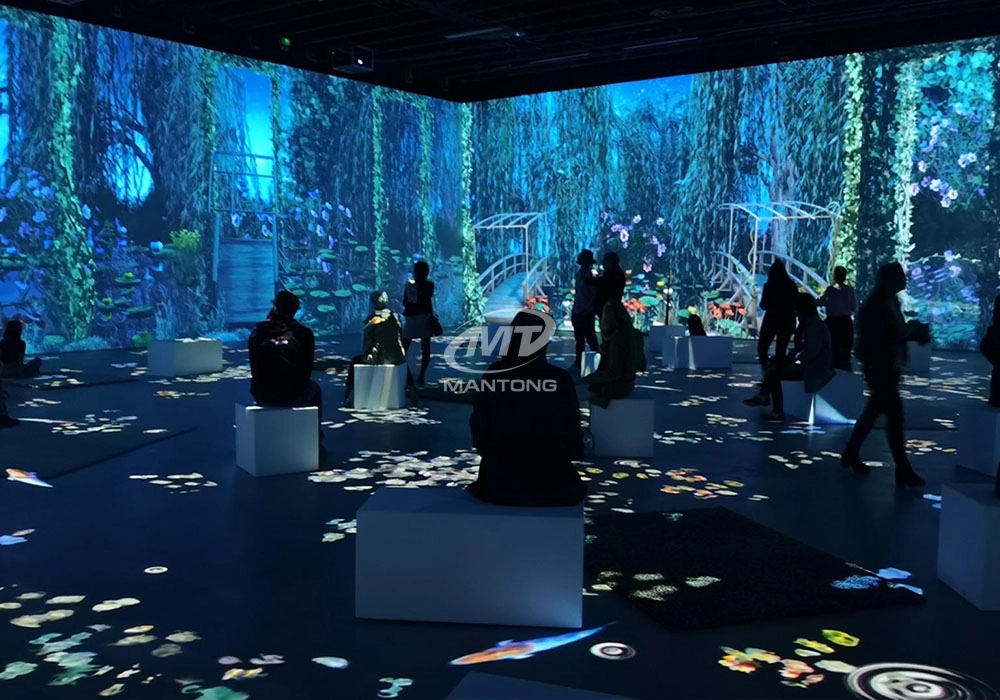
Mantong 6500LM High-Lumen Projector for Large-Scale Immersive Room Projection
Transform any space with Mantong's immersive projection mapping systems. Our high-lumen projectors (up to 6500 LM) and custom software create captivating interactive experiences for floors and walls. Ideal for museums, events, retail, and hospitality. Each kit includes professional ceiling mounting and 80+ pre-loaded video contents and is backed by a 12-month warranty and CE certification. We offer full customization and support to bring your vision to life.
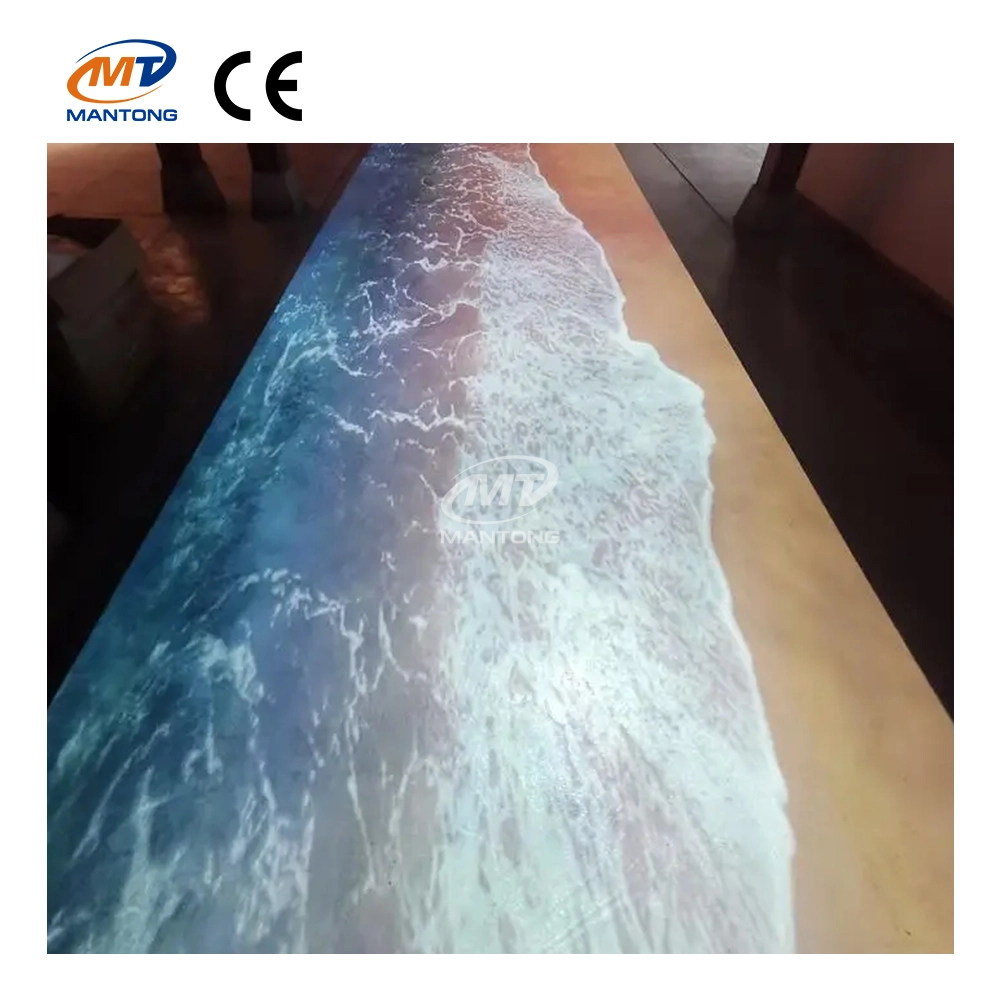
Indoor Interactive Floor Projector System - Customized Design & Installation Support
Indoor interactive floor projections display dynamic themed videos on the floor, commonly used in venues aiming to enhance brand influence or attract foot traffic, such as restaurants, hotel corridors, and brand car retail stores.
By using projectors and compatible software, the interactive content is projected onto the floor, encouraging engagement between people and the projected visuals. A single 5500-lumen indoor floor projector can cover an area of 5 m × 3 m. Typically, each project will use at least 3 units to ensure broad coverage and optimal visual effects.
We also offer customized design and installation support to enhance the interactive experience for your venue.
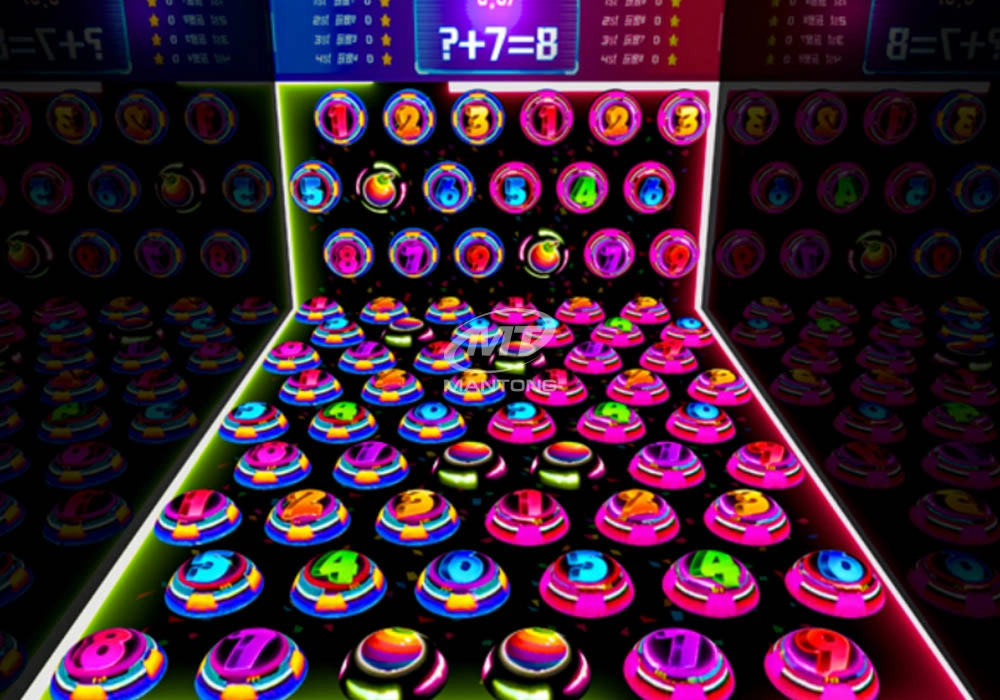
Amusement Rapidly Rotating Bouncing Sphere Interactive Wall Floor Projection Sports Games
Rapidly Rotating Bouncing Sphere is an interactive space where participants jump on rotating spheres. As they step on it, the spheres surface will show special interactivity
Jumping on spheres of the same color in succession causes them to pop, releasing light particles. The more consecutive jumps, the greater the reward—caterpillars appear, and eventually, all spheres of that color burst, filling the space with light and even more caterpillars.
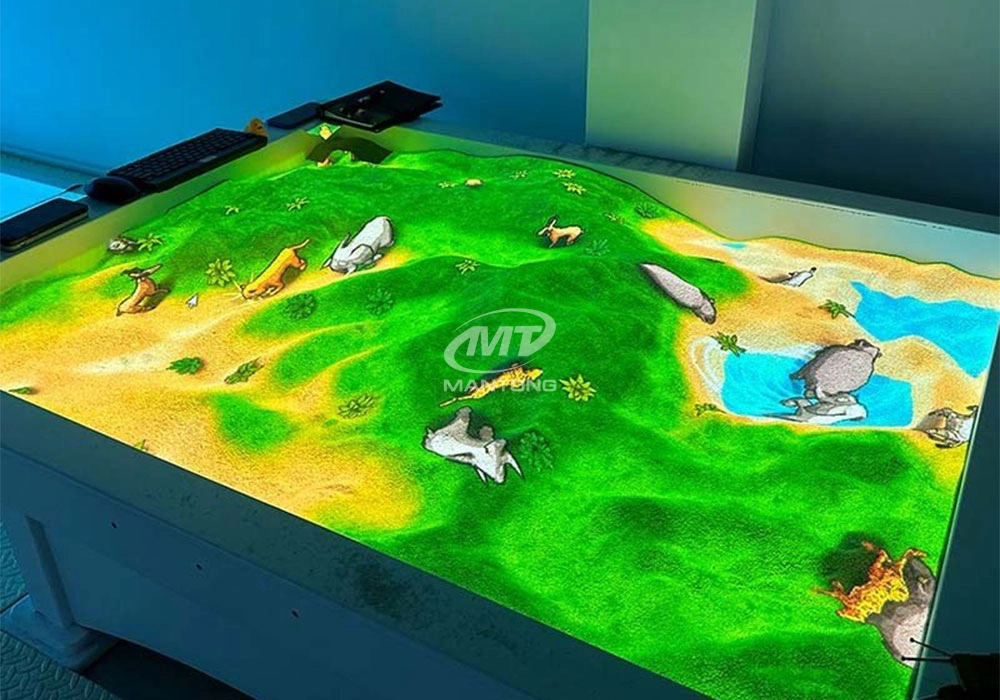
Interactive Sandbox Projection Mapping Games For Kids Play Park
Bring imagination to life with interactive sandbox projection mapping games designed for kids’ play parks. Using cutting-edge projection technology and real-time motion sensing, children can dig, build, and explore virtual worlds directly in the sand. Educational, engaging, and endlessly fun — it’s the perfect blend of play and learning.

Kaida Business Center, Shixin Road, Panyu District,Guangzhou City, Guangdong Province, China.
ManTong
ManTong
ManTong