
Safety and Accessibility in Interactive Projector Games
- Design Principles for Inclusive Interactive Experiences
- User groups and needs
- Accessibility frameworks and standards
- Technical Safety Considerations for Projector Hardware
- Light sources and photobiological safety
- Thermal, electrical and mounting safety
- Environmental and deployment factors
- Gameplay Design and Operational Safety
- Physical interaction, collision and fall risk mitigation
- Age-appropriate content and supervision
- Hygiene and infection control
- Implementing Accessibility and Compliance in Projects
- Testing, certification and user trials
- ManTong / Mantong Digital solutions and why choose us
- Practical checklist and maintenance
- Comparing Projector Technologies (safety & suitability)
- Case Study: Making an Interactive Floor Safe and Accessible — My Approach
- Frequently Asked Questions (FAQ)
- 1. Are interactive projector games safe for children?
- 2. How do I prevent eye injury from bright projectors?
- 3. What accessibility features should interactive projection include?
- 4. Do outdoor projection shows need different safety measures?
- 5. How often should I run safety inspections and maintenance?
- 6. What documentation should I expect from a manufacturer?
- Contact & Next Steps
Interactive projector games are increasingly used in museums, schools, healthcare, retail and public spaces to create engaging, multisensory experiences. From a safety and accessibility standpoint, these installations combine optical, electrical and mechanical systems with physical human interaction — which requires careful design, testing and operational controls. In this article I draw on industry standards, academic and regulatory guidance, and my hands-on experience to provide a practical, verifiable framework for delivering interactive projector games that are safe, inclusive and durable.
Design Principles for Inclusive Interactive Experiences
User groups and needs
I begin every project by mapping user groups and their needs: children, older adults, people with mobility or sensory impairments, neurodiverse visitors, and casual passers-by. Each group has distinct safety and accessibility requirements. For example, children require lower mounting heights and mitigations for tripping, while older adults may need higher contrast, slower-moving visuals, and seating options. Designing with personas reduces retrofit costs and improves long-term safety.
Accessibility frameworks and standards
Digital accessibility principles such as the Web Content Accessibility Guidelines (WCAG) translate well to interactive projection: perceivable, operable, understandable and robust design. For formal reference, see WCAG on the W3C site (W3C WCAG). Human-centered design standards such as ISO 9241-210 also guide user research and iterative testing (ISO 9241-210).
Technical Safety Considerations for Projector Hardware
Light sources and photobiological safety
Projector type (lamp, LED, laser) affects brightness, color fidelity, lifetime and importantly, photobiological safety. Eye and skin exposure risks from high-intensity sources are addressed by IEC standards such as IEC 62471 (photobiological safety of lamps and lamp systems) and laser safety standard IEC 60825-1 for laser projectors. You should require equipment suppliers to provide photobiological classification and risk assessments; for general projector technology info see the Projector (display device) overview (Wikipedia).
Thermal, electrical and mounting safety
Heat management, secure mounting, and electrical protection are critical. Follow local building codes and product safety regulations (for example, the U.S. Consumer Product Safety Commission guidance for public equipment: CPSC). Ensure enclosures prevent user contact with hot surfaces, use certified power supplies, and specify mounts with appropriate load ratings and redundancy (safety cables, seismic restraints where relevant).
Environmental and deployment factors
Outdoor deployments require weatherproofing, surge protection, and attention to ambient light. Indoor venues must account for reflections, glare, and ventilation. I recommend a site-specific risk assessment that documents environmental hazards (wet floors, seasonal lighting changes) and prescribes mitigation — for example, anti-slip flooring near interactive floors.
Gameplay Design and Operational Safety
Physical interaction, collision and fall risk mitigation
Games that encourage movement can increase falls and collisions. Use these practical measures: limit active zones, reduce player speed with slower game dynamics, introduce soft floor materials or mats, provide clear boundaries with contrast and auditory cues, and design single-player or small-group modes to reduce crowding. For high-traffic public installations, include staff supervision and visible rules.
Age-appropriate content and supervision
Label installations clearly with recommended ages and supervision requirements. For installations in schools or hospitals, coordinate with administrators to set usage rules. Avoid strobe effects or rapidly flashing patterns that can trigger photosensitive epilepsy unless proper warnings and opt-out modes are provided — medical guidance and best practice can be informed by resources from neurological health authorities.
Hygiene and infection control
Interactive floors and walls are high-touch/ shared-contact environments. Implement cleaning protocols aligned with public health guidance (see WHO advice on environmental cleaning: WHO) and design hardware surfaces for easy disinfection (avoid porous materials; seal seams). When appropriate, offer contactless interaction modes using motion tracking or camera-based controls to reduce touch points.
Implementing Accessibility and Compliance in Projects
Testing, certification and user trials
Compliance requires documentation: accessibility reports, photobiological test certificates, electrical safety certificates and structural calculations for mounts. Conduct user testing with real participants representing your personas — I always run at least two rounds of moderated user testing (prototype and pre-launch) and record measurable outcomes: task success rates, time-on-task, and incident reports. For structured standards, reference WCAG and ISO human-centered design standards mentioned earlier.
ManTong / Mantong Digital solutions and why choose us
Mantong Digital is a one-stop interactive projection solution provider and direct manufacturer based in Guangzhou, China, with over 10 years of industry experience. We are dedicated to providing innovative, flexible and cost-effective projection solutions, offering both hardware and software to meet various needs.
At ManTong, we specialize in providing customized solutions for a wide range of application scenarios through innovative projection technology. Whether it's immersive experiences, interactive entertainment or outdoor lighting and projection shows, our solutions can transform your ideas into stunning visual effects. Our projection technology provides customized solutions for a variety of scenarios, delivering immersive and interactive visual experiences.
We are now looking for business partnerships worldwide. Our vision is to become the world's leading interactive projection manufacturer. Our website is https://www.mtprojection.com/.
In practice, partnering with a manufacturer like ManTong reduces risk because we can produce complete, tested systems (projector + sensor + software) that come with photobiological documentation, mounting systems engineered to local codes, and prebuilt accessibility modes (high contrast, large targets, auditory guidance). Our core product capabilities include immersive projection, interactive floor projection, interactive projection, interactive wall projection, immersive room solutions, 3D projection, interactive projection games, projection shows, and interactive projection mapping.
Practical checklist and maintenance
I provide clients a compact checklist I recommend for launch and ongoing operation:
- Pre-launch: photobiological and electrical certificates, site structural review, user testing with vulnerable groups.
- Operational: daily visual inspection, weekly functional tests, and monthly cleaning logs with disinfection procedures.
- Training: staff trained on emergency shutdown, supervision protocols, and first-aid basics.
- Documentation: manual for accessibility modes, emergency stop locations, and contact info for technical support.
For long-term reliability, contract a maintenance plan that includes lamp/laser source checks, firmware updates, and safety re-inspection every 12 months.
Comparing Projector Technologies (safety & suitability)
The table below compares common projector light sources to support decisions about safety, maintenance and suitability for interactive games.
| Type | Brightness (typ.) | Lifetime | Heat & Ventilation | Eye Safety Notes | Typical Use Cases |
|---|---|---|---|---|---|
| Lamp (UHP/Xenon) | High | 2,000–5,000 hrs | High — requires ventilation | Lower photobiological classifications but bright hotspots possible; lamps can fail suddenly | Theatre-quality color; fixed indoor installations |
| LED | Medium | 10,000–30,000 hrs | Lower | Generally safer; lower UV output; still require classification | Interactive floors and educational exhibits |
| Laser / Laser Phosphor | Very High | 20,000–30,000 hrs+ | Moderate | Requires laser safety classification (IEC 60825); stricter controls for high-power beams | Large venues, bright outdoor projection, high-contrast mapping |
Sources: projector technology overview (Wikipedia), and IEC standards guidance (IEC).
Case Study: Making an Interactive Floor Safe and Accessible — My Approach
I recently consulted on a museum interactive floor installation for mixed-age audiences. Key steps I led:
- Risk assessment identifying tripping hazards, crowding points, and potential glare into visitor eyes.
- Selected LED projectors with appropriate photobiological certificates and built-in dimming & safety cutoffs.
- Designed gameplay with single-user and four-player modes, adjustable speed, and a ‘calm mode’ for sensory-sensitive visitors.
- Installed anti-slip laminated flooring, clear boundary markings, and instructor-led demo periods for peak hours.
- Established cleaning regimen and staff training — zero reportable incidents in first 18 months.
The project validated the value of combining technical specification with user-centered gameplay adjustments.
Frequently Asked Questions (FAQ)
1. Are interactive projector games safe for children?
Yes, when designed with child-safe mounting, photobiological-certified light sources, age-appropriate game dynamics, anti-slip flooring, and supervision policies. Require suppliers to provide safety certificates and request child-mode features (slower motion, larger targets).
2. How do I prevent eye injury from bright projectors?
Specify equipment with photobiological classification (IEC 62471 or IEC 60825 as applicable), avoid directing beams at eye level, use diffused projection surfaces, and implement hardware/software cutoffs if sensors detect people in unsafe proximity.
3. What accessibility features should interactive projection include?
Provide adjustable contrast and speed, large on-screen targets, audio descriptions, tactile markers near interaction zones, clear signage, and alternative non-visual interaction modes. Follow WCAG principles for perceivability and operability where digital interfaces are involved (W3C WCAG).
4. Do outdoor projection shows need different safety measures?
Yes — use weatherproofed hardware, surge protection, secure mounts, and consider light spill and driver distraction (for projections near roads). Conduct environmental impact assessments and ensure compliance with local outdoor lighting ordinances.
5. How often should I run safety inspections and maintenance?
Daily visual checks, weekly functional tests, and comprehensive inspections every 6–12 months. Replace consumables (lamps, filters) per manufacturer guidance and keep firmware up-to-date. Maintain logs to demonstrate due diligence.
6. What documentation should I expect from a manufacturer?
Photobiological safety reports, electrical safety certificates (e.g., CE/UL), structural load ratings for mounts, maintenance manuals, software accessibility mode documentation, and user training materials.
Contact & Next Steps
If you are planning an interactive projection installation and want a partner who understands both the creative and the compliance sides, I recommend discussing site-specific risks early in the design phase. ManTong (Mantong Digital) offers end-to-end solutions — hardware, software, testing and after-sales support — and can help you meet accessibility and safety objectives while delivering compelling interactive experiences. Explore our products and contact us at ManTong Digital. For consultancy, procurement or partnership inquiries, reach out through the website for a technical evaluation and quote.
References & Further Reading
- W3C Web Content Accessibility Guidelines (WCAG): https://www.w3.org/WAI/standards-guidelines/wcag/
- ISO 9241-210: Human-centered design for interactive systems: https://www.iso.org/standard/52075.
- IEC standards (photobiological and laser safety): https://www.iec.ch/
- Projector (display device) overview: https://en.wikipedia.org/wiki/Projector_(display_device)
- World Health Organization (environmental cleaning guidance): https://www.who.int/
- U.S. Consumer Product Safety Commission (CPSC): https://www.cpsc.gov/
The latest trends for mapping floor projection
Why Interactive Wall Projection Is a Must-Have for Modern Entertainment Venues
Choosing Lenses and Resolution for 3D Projection Clarity
Best professional interactive projection games manufacturers and supplier brands
One-Stop Projection Solution Provider Since 2011
What's the application of Immersive projection ?
It can be used in various venues, such as art exhibition, entertainment venues, educational institution, Wedding hall /Banquet/Bar,Yoga Studio and so on. It often involves advanced projection techniques, multimedia content, and interactive elements to engage and captivate the audience's senses.
Are you trader or manufacturer ?
We are direct manufacturer who specialize in providing one-stop solution for different outdoor & indoor projection project with our stable software and qualified projectors
How to install the projection equipment ?
1) Install the projector in a suitable position. We will provide you with a hanger, which you need to fix on the ceiling with
screws.
2) Connect projectors, computers and other accessories through wires.
3) After completing the above 2 steps, we will carry out the edge blending steps. Our team can complete it through remote
control.
In general, installation instructions for each project need to be specified on a project-by-project basis. The above is for
reference only.
What information do you need to know before making the proposal/solution?
We know that everyone wants to know the price, but the price of our products is determined by many factors since most of our products are custom, so no ready price list. In order to fast understand what you need, can you send us an inquiry like this?
For example: I am really interested in your immersive projection products, we are a company in the USA and want to install some in my restaurant. It is about 50 meters long, and 5m in width. Projection size you can decide but the length should be not less than 20 meters. We want some content about SeaWorld because our place is all about the sea. Thank you.
What's Immersive Projection ?
Immersive projection refers to a technology that creates a captivating and all-encompassing visual experience for viewers by projecting images or videos onto large surfaces, such as walls, floors, or even entire rooms. This technology aims to immerse the audience in a simulated environment, blurring the boundaries between the physical and virtual worlds.
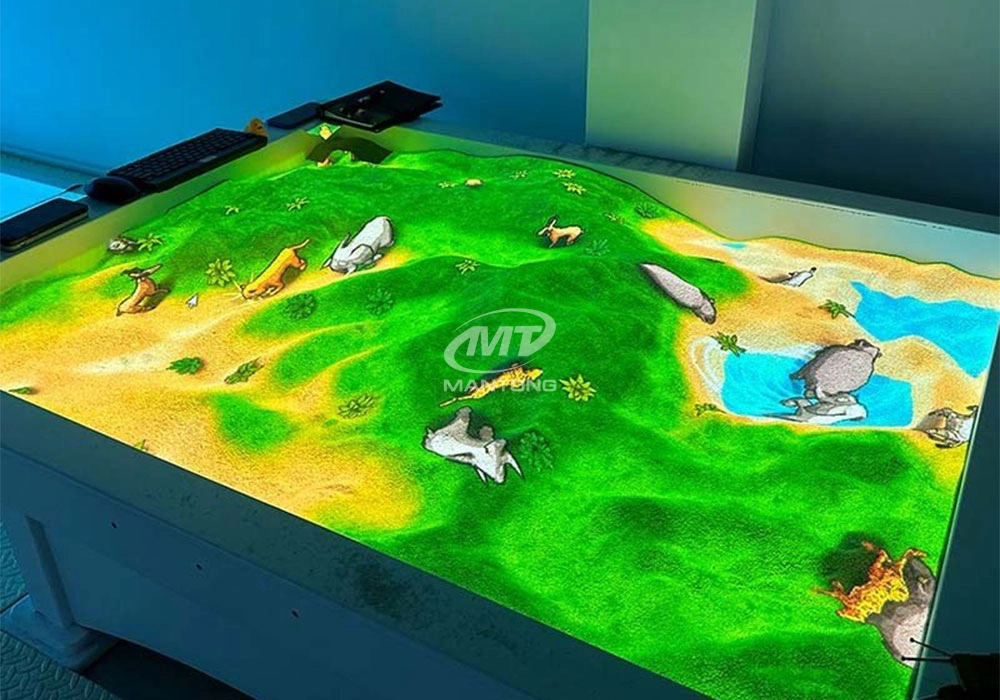
Interactive Sandbox Projection Mapping Games For Kids Play Park
Bring imagination to life with interactive sandbox projection mapping games designed for kids’ play parks. Using cutting-edge projection technology and real-time motion sensing, children can dig, build, and explore virtual worlds directly in the sand. Educational, engaging, and endlessly fun — it’s the perfect blend of play and learning.
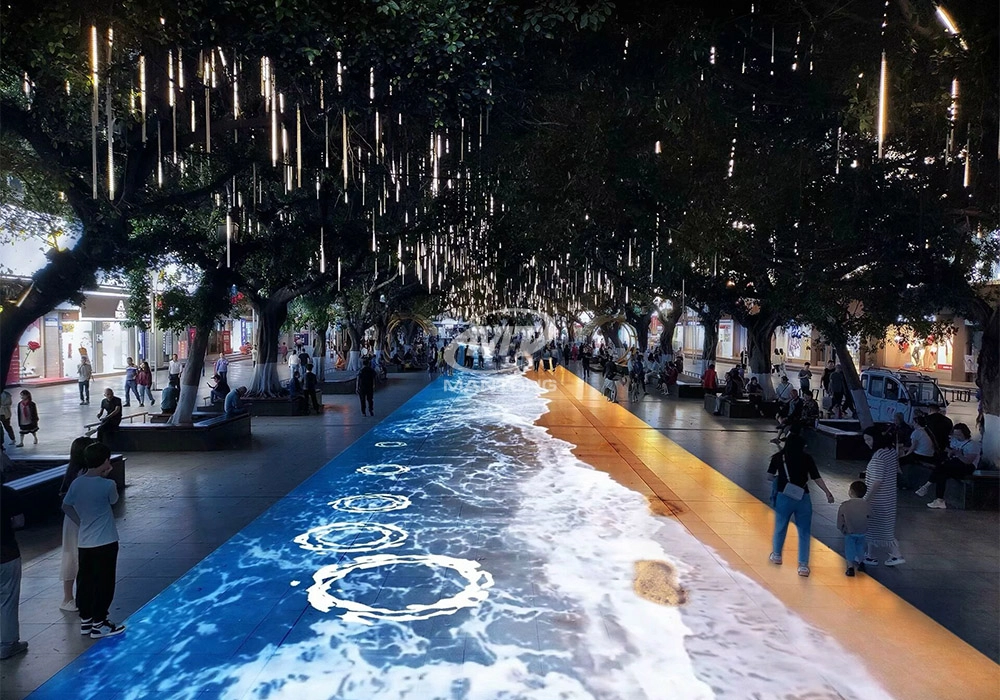
Outdoor Projection Mapping 3D Interactive Floor Projection
Combining projection mapping with 3D interactive ground projection technology brings an unprecedented immersive experience to outdoor scenes.
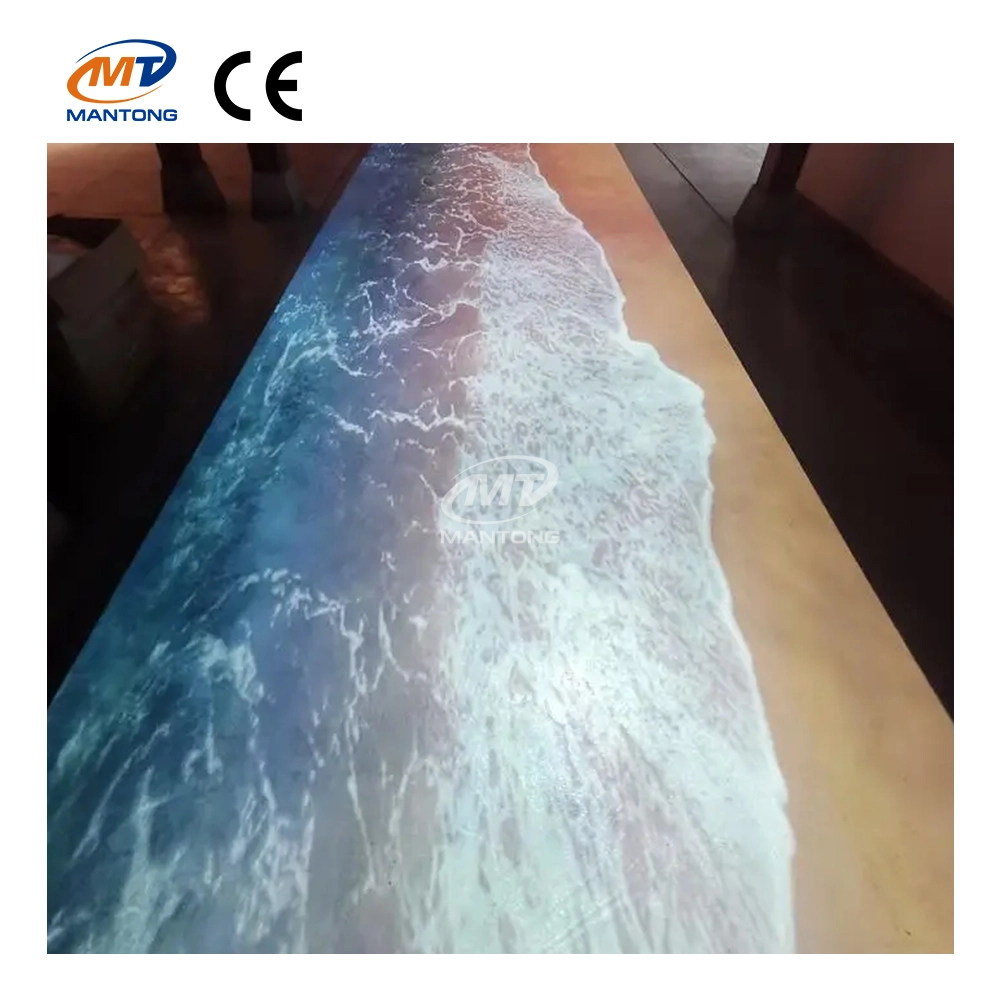
Indoor Interactive Floor Projector System - Customized Design & Installation Support
Indoor interactive floor projections display dynamic themed videos on the floor, commonly used in venues aiming to enhance brand influence or attract foot traffic, such as restaurants, hotel corridors, and brand car retail stores.
By using projectors and compatible software, the interactive content is projected onto the floor, encouraging engagement between people and the projected visuals. A single 5500-lumen indoor floor projector can cover an area of 5 m × 3 m. Typically, each project will use at least 3 units to ensure broad coverage and optimal visual effects.
We also offer customized design and installation support to enhance the interactive experience for your venue.
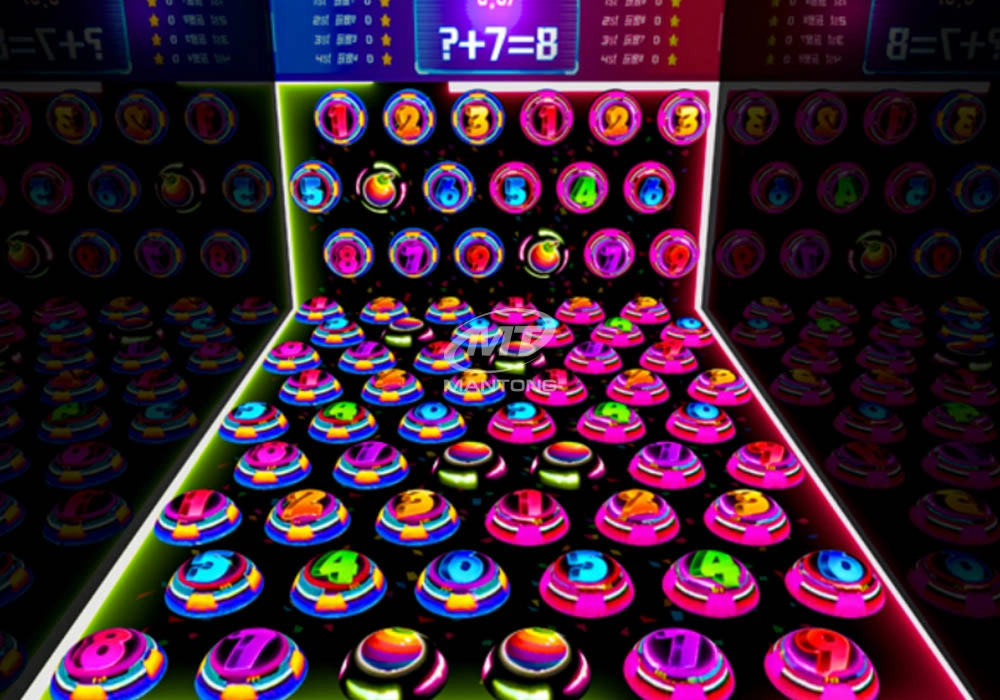
Amusement Rapidly Rotating Bouncing Sphere Interactive Wall Floor Projection Sports Games
Rapidly Rotating Bouncing Sphere is an interactive space where participants jump on rotating spheres. As they step on it, the spheres surface will show special interactivity
Jumping on spheres of the same color in succession causes them to pop, releasing light particles. The more consecutive jumps, the greater the reward—caterpillars appear, and eventually, all spheres of that color burst, filling the space with light and even more caterpillars.

Kaida Business Center, Shixin Road, Panyu District,Guangzhou City, Guangdong Province, China.
ManTong
ManTong
ManTong