
What surface types work best for interactive wall projection setups? | Insights by Mantong
- What Surface Types Work Best for Interactive Wall Projection Setups?
- 1. Why Does Surface Material Matter for Interactive Projections?
- 2. What Are the Best Color Options for Interactive Projection Walls?
- 3. How Does Surface Texture Influence Projection Quality?
- 4. Can Special Projection Screens Improve Interactive Wall Performance?
- 5. Are Painted Walls Viable for Interactive Projections?
What Surface Types Work Best for Interactive Wall Projection Setups?
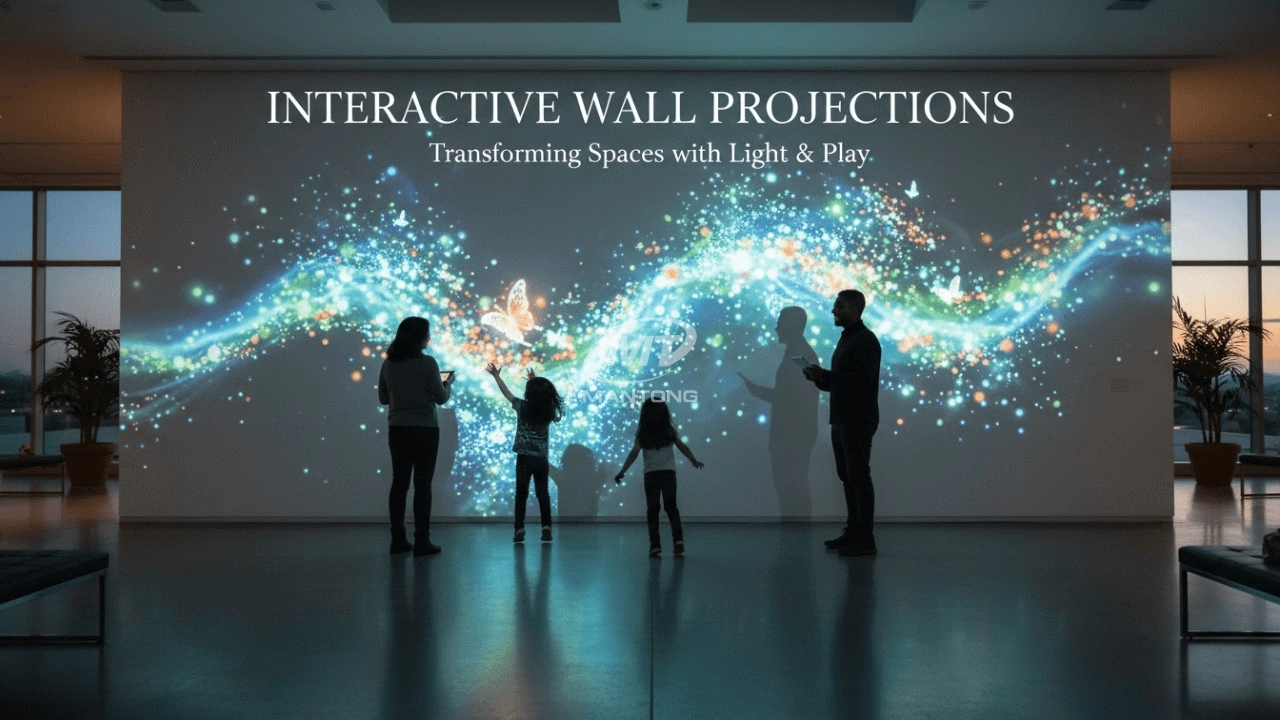
Interactive wall projection technology has revolutionized the way businesses, educators, and event organizers engage audiences. However, the choice of surface plays a crucial role in the overall effectiveness of the setup. Selecting the right wall surface ensures optimal image quality, brightness, and responsiveness for interactive features.
1. Why Does Surface Material Matter for Interactive Projections?
The surface material affects the image brightness, sharpness, and contrast due to its reflectivity (gain), texture, and color. Smooth, matte surfaces with a gain between 0.8 and 1.2 usually deliver the best balance by minimizing hot spots and glare while maintaining vivid colors for interactive elements.
2. What Are the Best Color Options for Interactive Projection Walls?
White or light gray surfaces are generally preferred because they reflect a high percentage of projected light, enhancing brightness and color accuracy. According to projection industry experts, a white surface with a gain of 1.0 delivers the most balanced and neutral color reproduction. Darker colors reduce brightness and may negatively affect the interactivity experience.
3. How Does Surface Texture Influence Projection Quality?
Matte or eggshell finishes help scatter light evenly, reducing glare and hotspots that can hamper both visual clarity and touch sensitivity. Smooth textures are favorable for interactive touch detection systems, such as infrared or capacitive technologies, because irregular textures can confuse sensors or disrupt accurate touch tracking.
4. Can Special Projection Screens Improve Interactive Wall Performance?
Yes, specialized projection screens such as glass beads, lenticular, or ambient light rejecting (ALR) screens improve image quality in challenging environments. For example, ALR screens maintain high contrast in brightly lit rooms, which is useful for public spaces or venues with ambient light interference. Portable rear-projection films can also turn any flat surface into an interactive screen, offering flexibility.
5. Are Painted Walls Viable for Interactive Projections?
High-quality projector screen paints are a cost-effective solution that can convert walls into near professional-grade projection surfaces. Marketed products like Screen Goo or specialized 3D screen paints have gains close to 1.0 and feature smooth matte finishes, making them a popular choice for educational and corporate environments.
Industry Data & Recommendations: According to a 2023 survey by Projection Central, 67% of interactive installation professionals prefer using white matte painted surfaces or dedicated projection screen materials due to their excellent gain and touch compatibility. Surfaces with a gain above 1.2 are often avoided as they can produce hotspots that degrade the interactive experience.
In conclusion, for optimal interactive wall projection setups in 2024, choose a smooth, matte, white or light gray surface with a gain close to 1.0. Consider specialty screen materials or paints according to your environment and budget.


One-Stop Projection Solution Provider Since 2011
Are you trader or manufacturer ?
We are direct manufacturer who specialize in providing one-stop solution for different outdoor & indoor projection project with our stable software and qualified projectors
What about the wall/floor material for the projection?
It’s recommended to choose a light-colored material with minimal reflectivity—pure white or light grey works best. the
common material is cement & plaster board
For optimal projection results, the surface should be free of any patterns or textures, as the projector will display content
directly onto it.
There are no specific material requirements; you may use any commonly available material in your local market, as long as it
meets the above conditions.
How to Write an Interactive-Effect Video Customisation Script ?
① Project Background: Briefly introduce the context in which this interactive scene will be used (e.g., exhibition, museum,
event space, children's area). Example: This scene is part of the “Underwater World” zone in a children's science museum,
designed to be engaging and exploratory.
②Visual Style / Atmosphere: What kind of visual mood are you aiming for? Please describe the color scheme, style, and any
references. it should focus solely on describing the visual aspects of the scene, supported by relevant charts or reference
images.
③ Interaction Points Overview:List each interactive hotspot along with the effect you'd like to trigger when the user
touches or clicks the area. example: when player touch the clownfish, it will swims away with bubble trail (animation effect)
and produce the bubble sound ( sound effect requirement )
④ Static Visual Reference:including but not limited to background image/video, a list of major visual elements (e.g., coral,
rocks, seaweed, fish), which elements should be interactive?
What's Immersive Projection ?
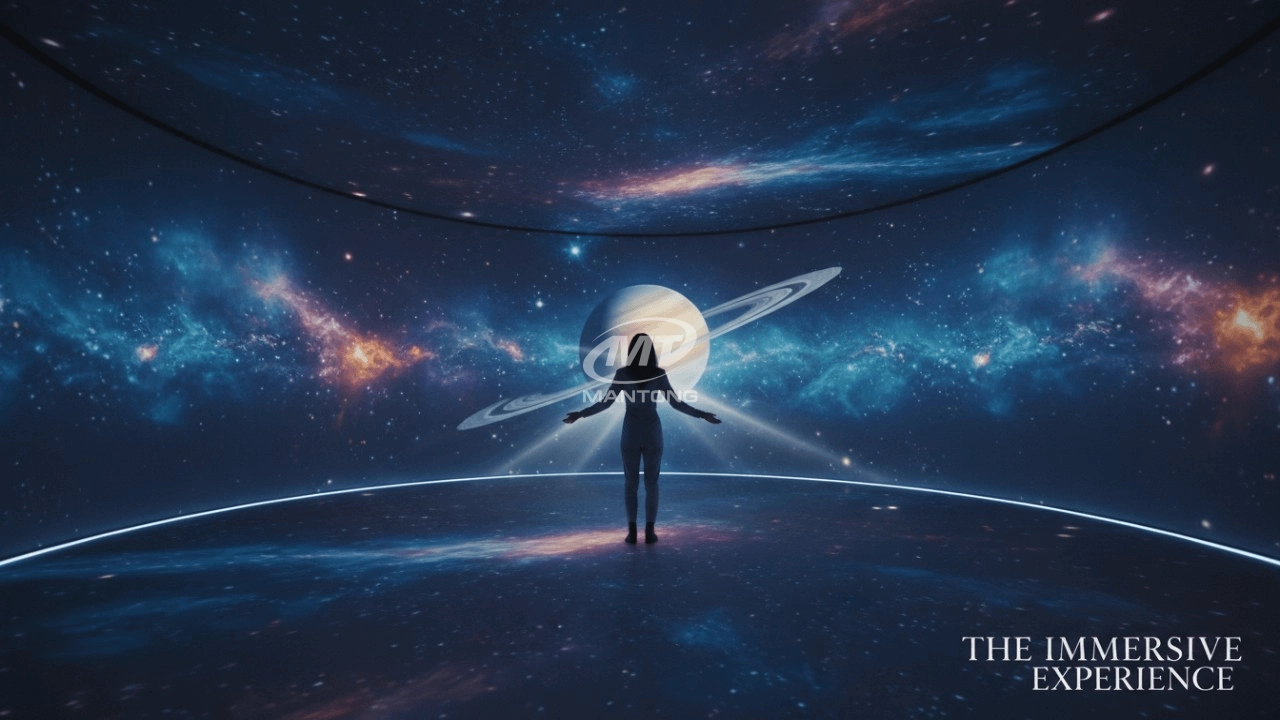
Immersive projection refers to a technology that creates a captivating and all-encompassing visual experience for viewers by projecting images or videos onto large surfaces, such as walls, floors, or even entire rooms. This technology aims to immerse the audience in a simulated environment, blurring the boundaries between the physical and virtual worlds.
What's the application of Immersive projection ?
It can be used in various venues, such as art exhibition, entertainment venues, educational institution, Wedding hall /Banquet/Bar,Yoga Studio and so on. It often involves advanced projection techniques, multimedia content, and interactive elements to engage and captivate the audience's senses.
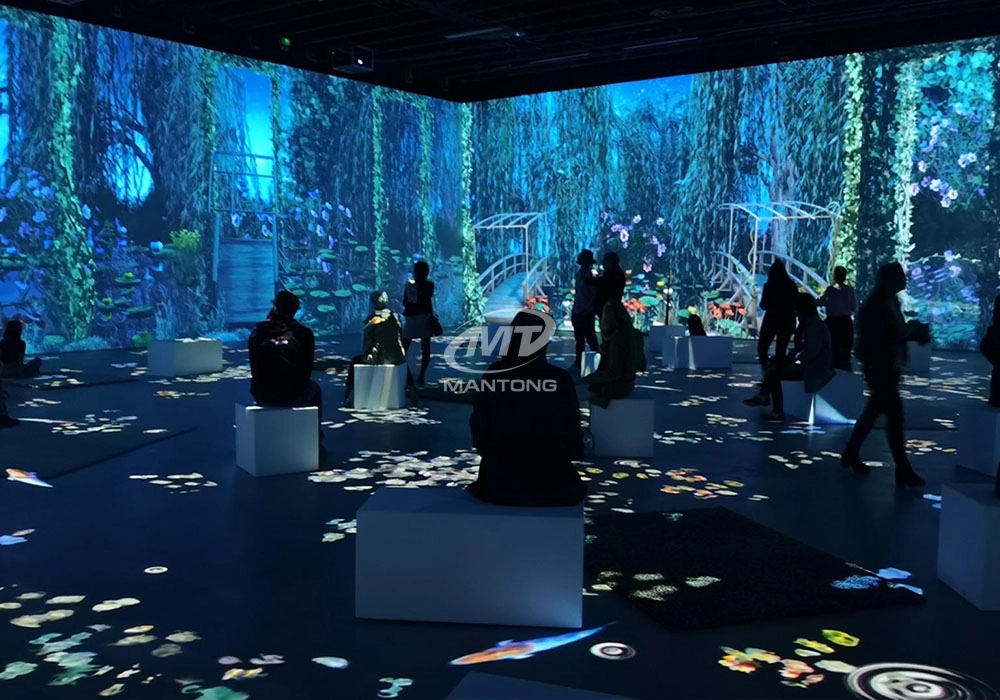
Transform any space with Mantong's immersive projection mapping systems. Our high-lumen projectors (up to 6500 LM) and custom software create captivating interactive experiences for floors and walls. Ideal for museums, events, retail, and hospitality. Each kit includes professional ceiling mounting and 80+ pre-loaded video contents and is backed by a 12-month warranty and CE certification. We offer full customization and support to bring your vision to life.
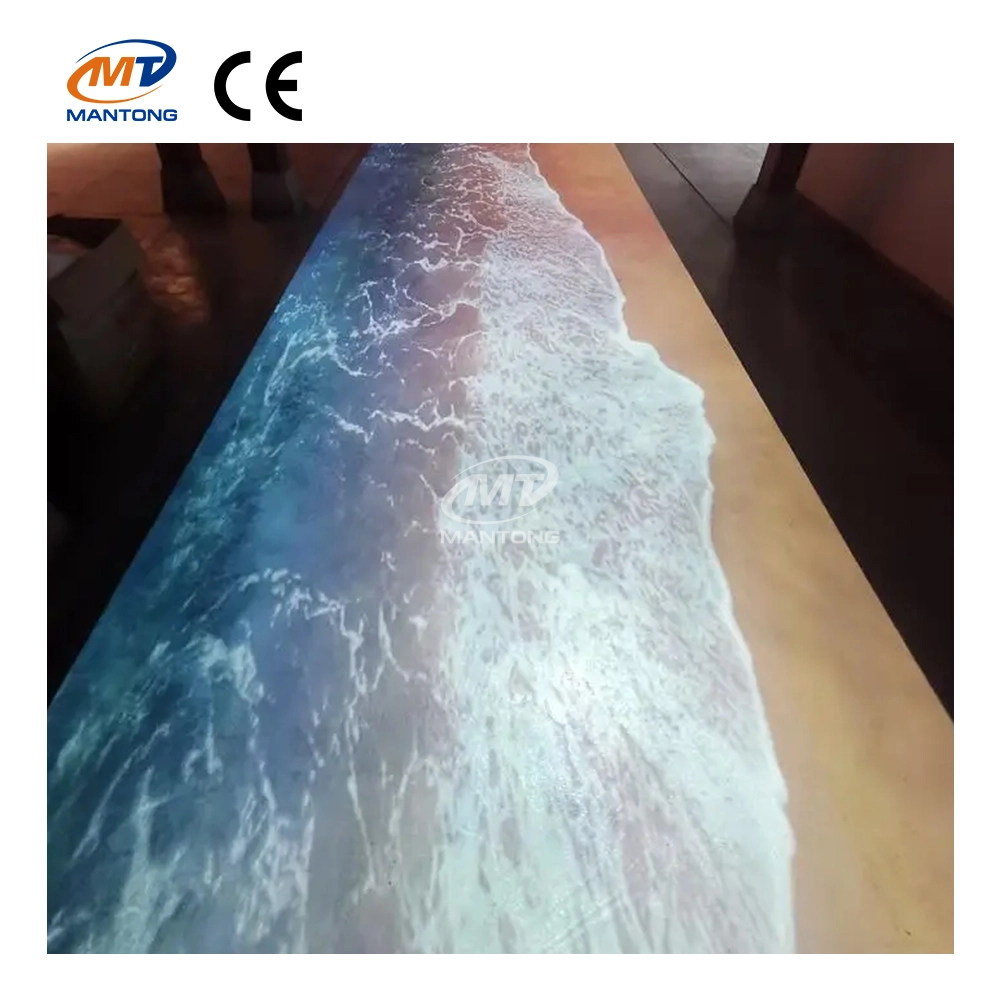
Indoor interactive floor projections display dynamic themed videos on the floor, commonly used in venues aiming to enhance brand influence or attract foot traffic, such as restaurants, hotel corridors, and brand car retail stores.
By using projectors and compatible software, the interactive content is projected onto the floor, encouraging engagement between people and the projected visuals. A single 5500-lumen indoor floor projector can cover an area of 5 m × 3 m. Typically, each project will use at least 3 units to ensure broad coverage and optimal visual effects.
We also offer customized design and installation support to enhance the interactive experience for your venue.
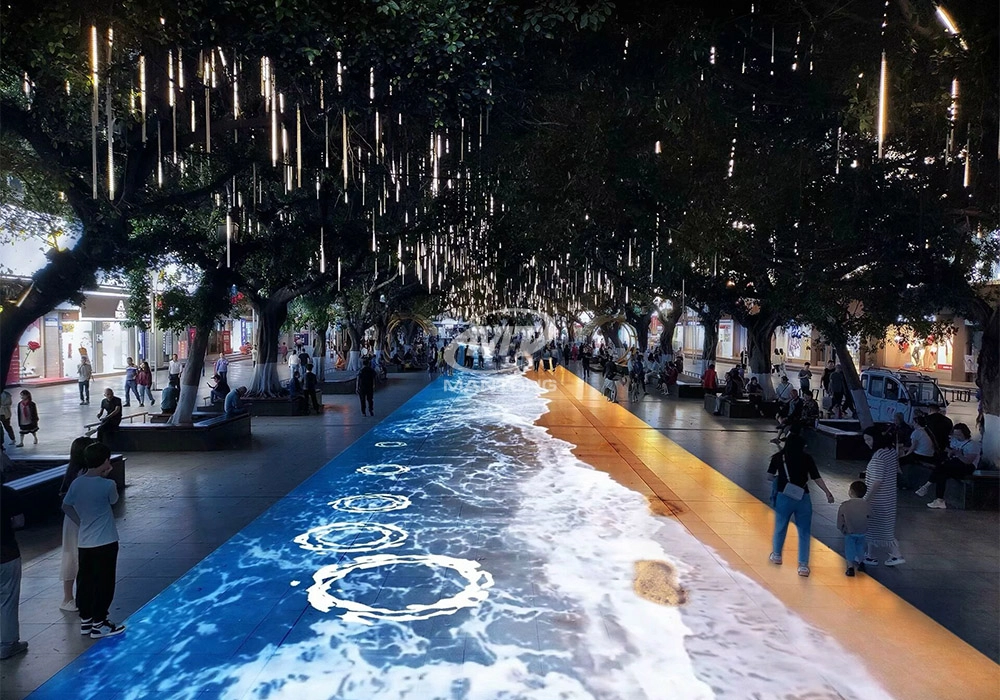
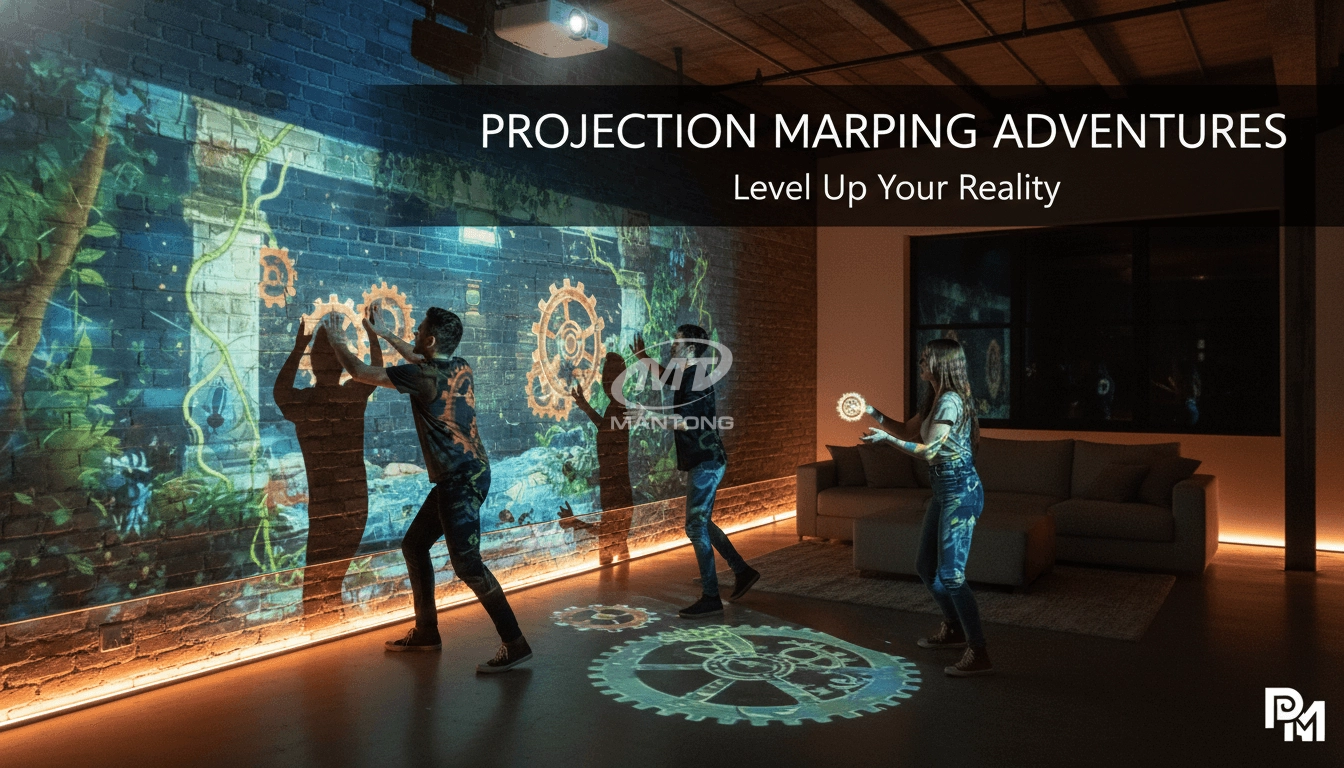
Combining projection mapping with 3D interactive ground projection technology brings an unprecedented immersive experience to outdoor scenes.
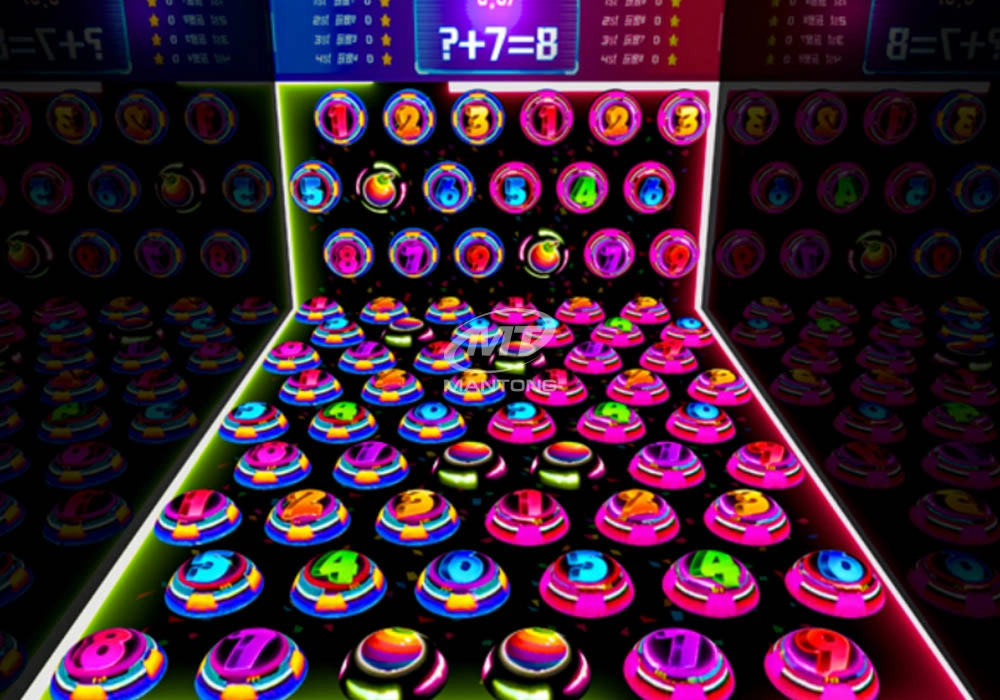
Rapidly Rotating Bouncing Sphere is an interactive space where participants jump on rotating spheres. As they step on it, the spheres surface will show special interactivity
Jumping on spheres of the same color in succession causes them to pop, releasing light particles. The more consecutive jumps, the greater the reward—caterpillars appear, and eventually, all spheres of that color burst, filling the space with light and even more caterpillars.
Contact Us to Start Your Interactive Projection Journey
Contact us now to discuss how to create innovative projection solutions for your space.

Kaida Business Center, Shixin Road, Panyu District,Guangzhou City, Guangdong Province, China.
ManTong
ManTong
ManTong