
Can immersive projection rooms be interactive? | Mantong Expert Guide
- Can Immersive Projection Rooms Be Interactive?
- What Technologies Enable Interactivity in Immersive Projection Rooms?
- How Are Immersive Projection Rooms Used for Interactive Learning and Training?
- Can Immersive Projection Rooms Support Multi-User Interactivity?
- What Are the Challenges of Implementing Interactivity in Projection Rooms?
- What Is the Future Outlook for Interactive Immersive Projection Rooms?
Can Immersive Projection Rooms Be Interactive?
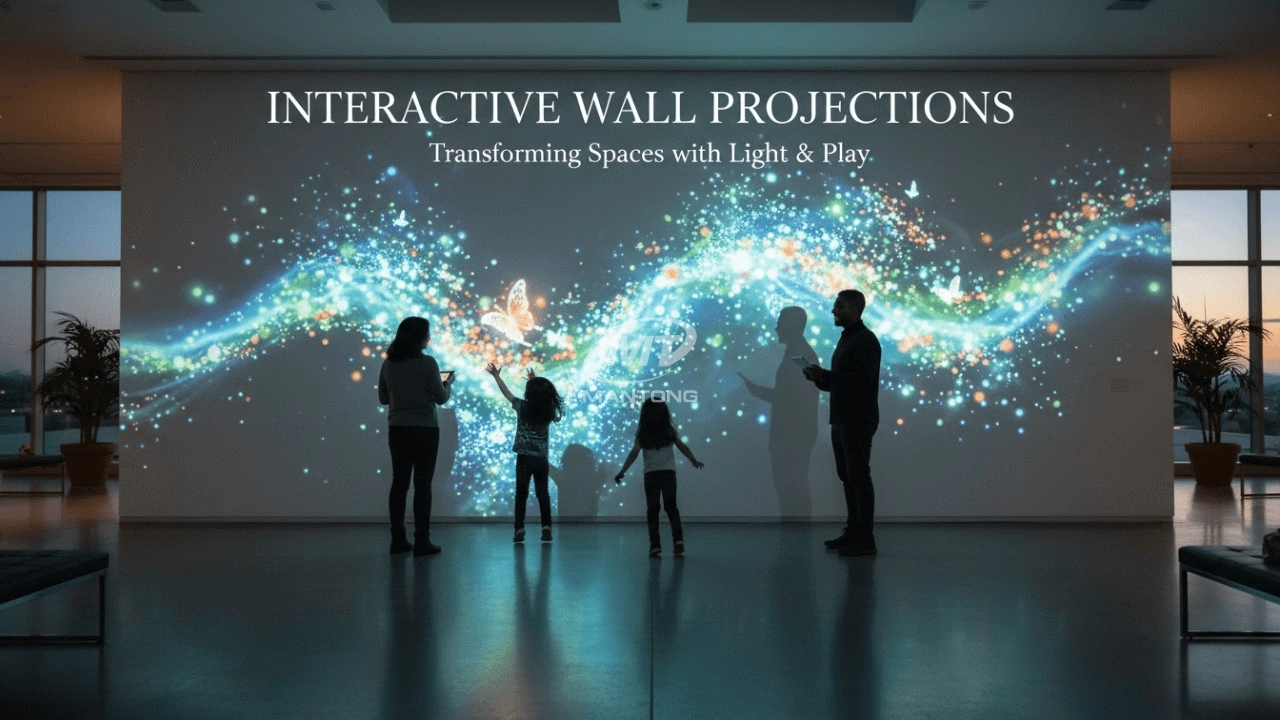
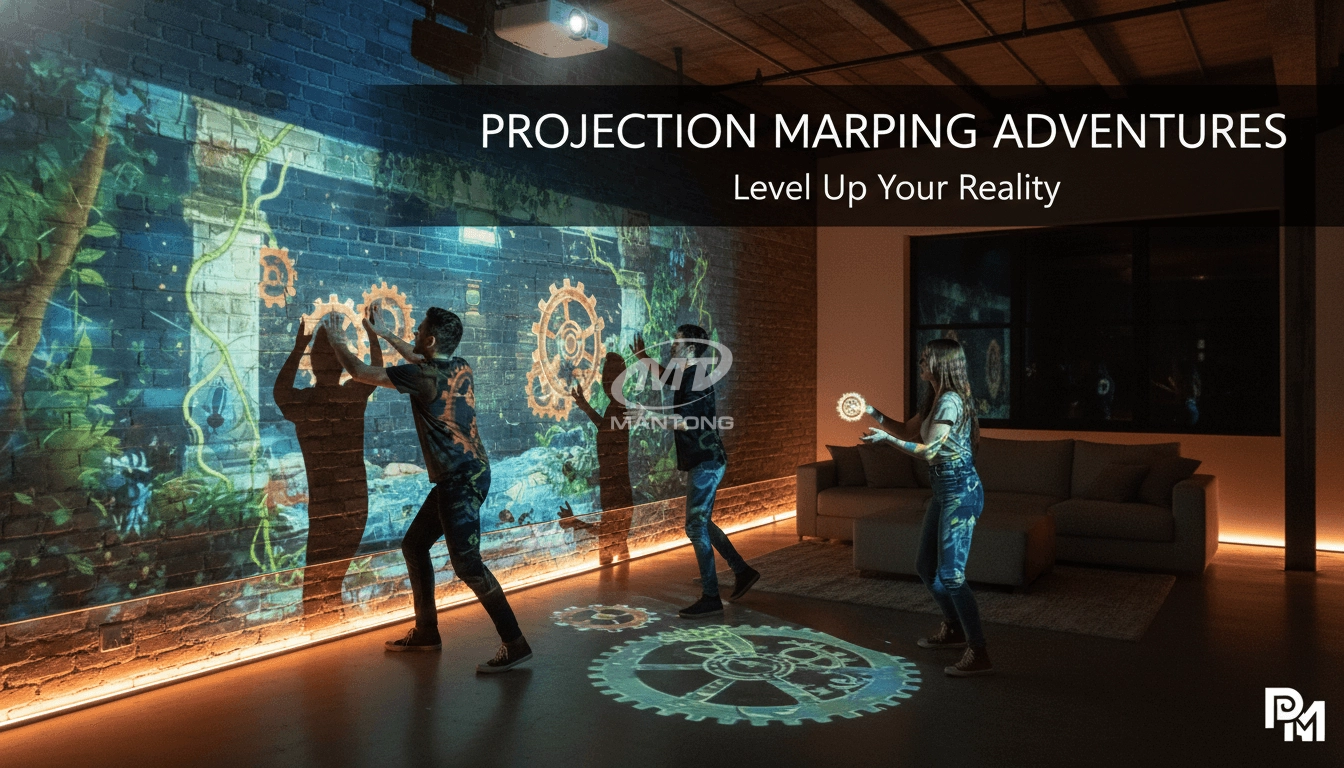
Immersive projection rooms have transcended traditional passive viewing by incorporating interactive technology that allows users to engage dynamically with projected content. By combining high-resolution, multi-surface projections with advanced input devices such as motion sensors, touch-sensitive floors, and gesture recognition systems, these rooms offer highly interactive experiences in multiple fields including education, corporate training, entertainment, and museum exhibits.
What Technologies Enable Interactivity in Immersive Projection Rooms?
Interactivity relies on a blend of hardware and software technologies. Common hardware includes depth-sensing cameras (like Microsoft Kinect or Intel RealSense), infrared sensors, touch-sensitive surfaces, and VR gloves. On the software side, real-time rendering engines, AI-driven gesture recognition, and spatial computing frameworks enable responsive environments where projected visuals react instantly to user inputs.
How Are Immersive Projection Rooms Used for Interactive Learning and Training?
Interactive immersive projection rooms are widely used in educational institutes and corporate environments to enhance learning engagement and retention. For example, medical schools use them to simulate surgeries with tactile feedback and real-time visualization, while businesses implement interactive rooms for safety training that realistically reproduce hazardous scenarios to practice responses.
Can Immersive Projection Rooms Support Multi-User Interactivity?
Yes, multi-user interactivity is one of the hallmarks of modern immersive projection rooms. Using spatial tracking and multiple input devices, these environments allow simultaneous multi-user participation. Systems can distinguish individual user actions and provide collaborative interfaces useful in workshops, collaborative design, and multiplayer entertainment experiences.
What Are the Challenges of Implementing Interactivity in Projection Rooms?
Challenges include calibrating sensors for precise input, managing latency to maintain natural interaction, and addressing physical space constraints. Additionally, developing content that maximizes interactive potential without overwhelming users requires specialized expertise in immersive experience design. Cost and integration with existing infrastructure may also pose barriers.
What Is the Future Outlook for Interactive Immersive Projection Rooms?
Advances in AI, 5G connectivity, and edge computing are expected to further enhance interactivity and realism. Integration with augmented reality (AR) and mixed reality (MR) technologies will make interactive projection rooms more adaptive and personalized. As prices decrease and technology matures, their adoption across education, healthcare, entertainment, and enterprise sectors is predicted to grow substantially.


One-Stop Projection Solution Provider Since 2011
What's the application of Immersive projection ?
It can be used in various venues, such as art exhibition, entertainment venues, educational institution, Wedding hall /Banquet/Bar,Yoga Studio and so on. It often involves advanced projection techniques, multimedia content, and interactive elements to engage and captivate the audience's senses.
Are you trader or manufacturer ?
We are direct manufacturer who specialize in providing one-stop solution for different outdoor & indoor projection project with our stable software and qualified projectors
How to Write an Interactive-Effect Video Customisation Script ?
① Project Background: Briefly introduce the context in which this interactive scene will be used (e.g., exhibition, museum,
event space, children's area). Example: This scene is part of the “Underwater World” zone in a children's science museum,
designed to be engaging and exploratory.
②Visual Style / Atmosphere: What kind of visual mood are you aiming for? Please describe the color scheme, style, and any
references. it should focus solely on describing the visual aspects of the scene, supported by relevant charts or reference
images.
③ Interaction Points Overview:List each interactive hotspot along with the effect you'd like to trigger when the user
touches or clicks the area. example: when player touch the clownfish, it will swims away with bubble trail (animation effect)
and produce the bubble sound ( sound effect requirement )
④ Static Visual Reference:including but not limited to background image/video, a list of major visual elements (e.g., coral,
rocks, seaweed, fish), which elements should be interactive?
How to install the projection equipment ?
1) Install the projector in a suitable position. We will provide you with a hanger, which you need to fix on the ceiling with
screws.
2) Connect projectors, computers and other accessories through wires.
3) After completing the above 2 steps, we will carry out the edge blending steps. Our team can complete it through remote
control.
In general, installation instructions for each project need to be specified on a project-by-project basis. The above is for
reference only.
What's Immersive Projection ?
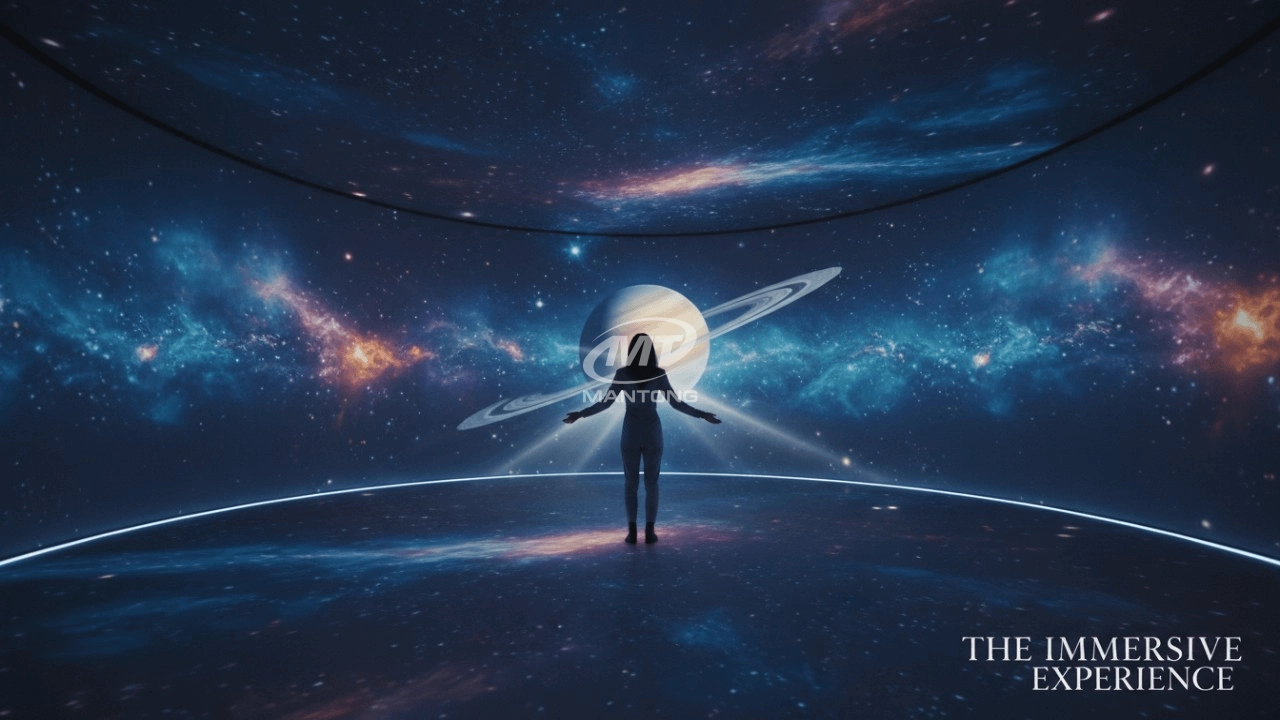
Immersive projection refers to a technology that creates a captivating and all-encompassing visual experience for viewers by projecting images or videos onto large surfaces, such as walls, floors, or even entire rooms. This technology aims to immerse the audience in a simulated environment, blurring the boundaries between the physical and virtual worlds.
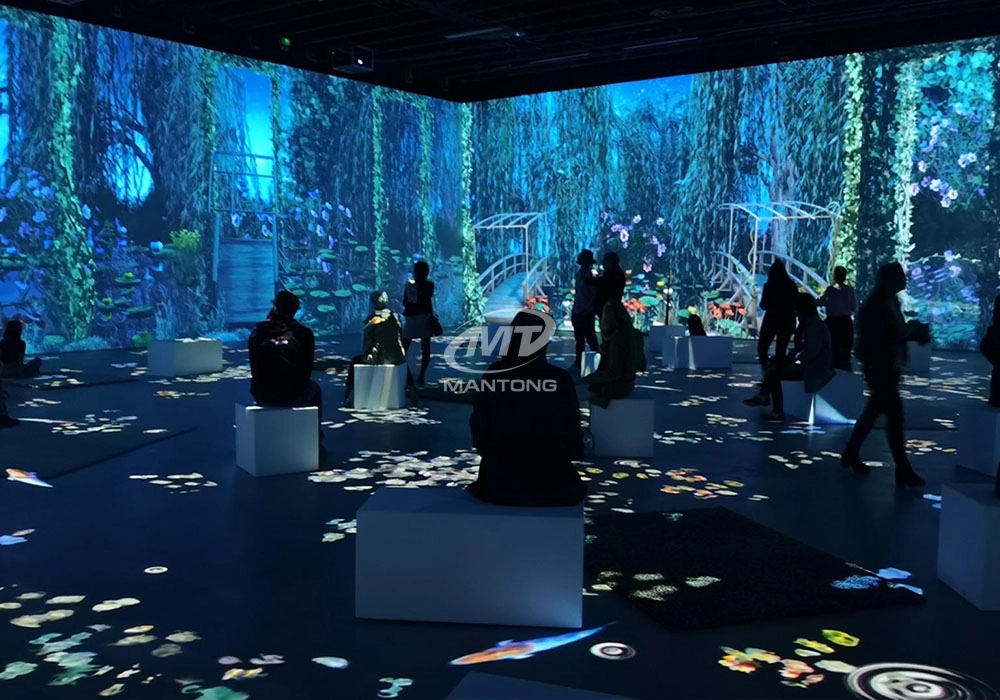
Transform any space with Mantong's immersive projection mapping systems. Our high-lumen projectors (up to 6500 LM) and custom software create captivating interactive experiences for floors and walls. Ideal for museums, events, retail, and hospitality. Each kit includes professional ceiling mounting and 80+ pre-loaded video contents and is backed by a 12-month warranty and CE certification. We offer full customization and support to bring your vision to life.
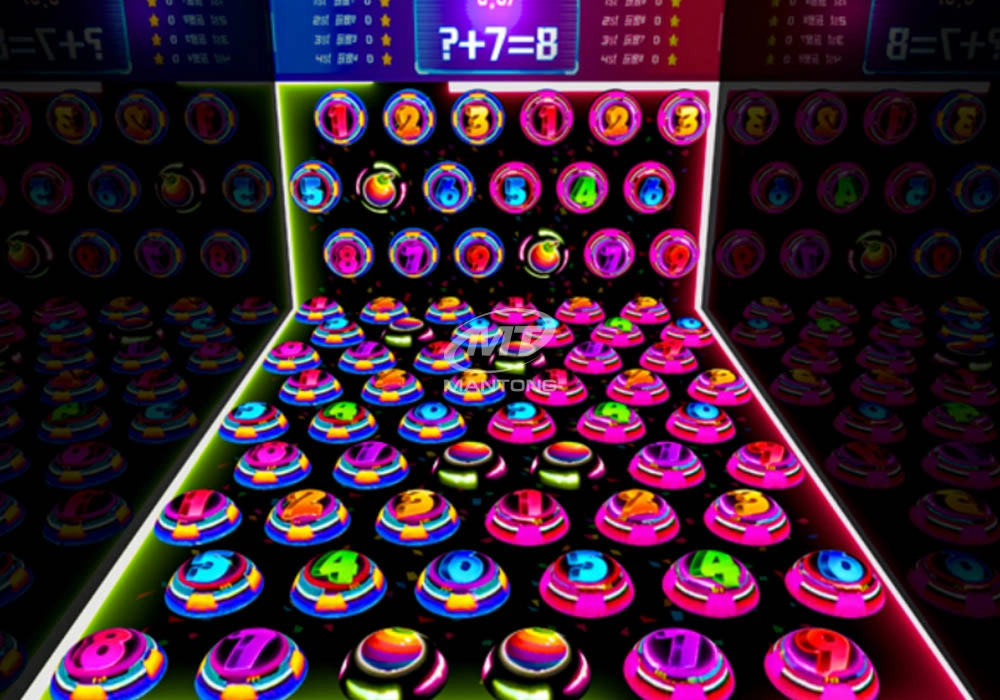
Rapidly Rotating Bouncing Sphere is an interactive space where participants jump on rotating spheres. As they step on it, the spheres surface will show special interactivity
Jumping on spheres of the same color in succession causes them to pop, releasing light particles. The more consecutive jumps, the greater the reward—caterpillars appear, and eventually, all spheres of that color burst, filling the space with light and even more caterpillars.
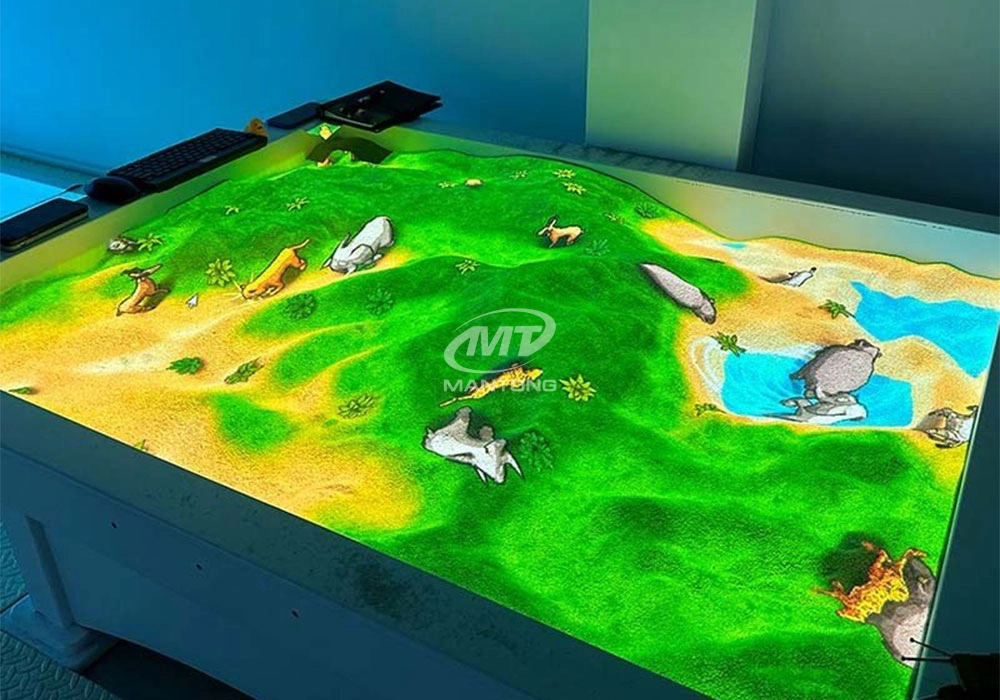
Bring imagination to life with interactive sandbox projection mapping games designed for kids’ play parks. Using cutting-edge projection technology and real-time motion sensing, children can dig, build, and explore virtual worlds directly in the sand. Educational, engaging, and endlessly fun — it’s the perfect blend of play and learning.
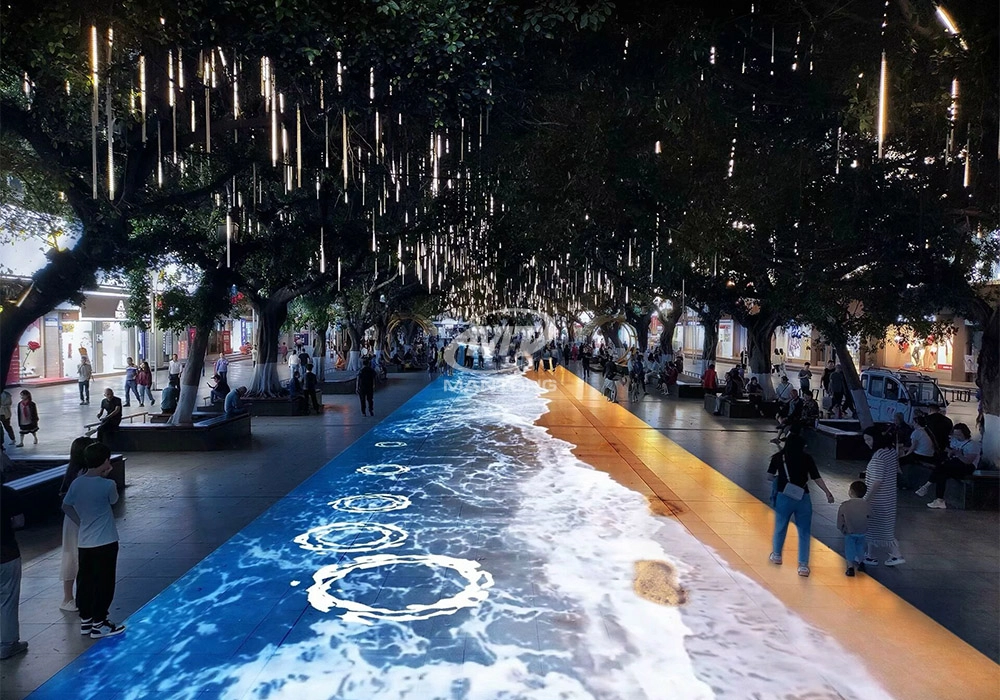
Combining projection mapping with 3D interactive ground projection technology brings an unprecedented immersive experience to outdoor scenes.
Contact Us to Start Your Interactive Projection Journey
Contact us now to discuss how to create innovative projection solutions for your space.

Kaida Business Center, Shixin Road, Panyu District,Guangzhou City, Guangdong Province, China.
ManTong
ManTong
ManTong