
How Long Is Lead Time for Custom Projection Mapping Projects?
Interactive projection mapping is revolutionizing the way we experience visual storytelling, offering immersive and dynamic displays that captivate audiences. For those new to this field, it's crucial to understand the intricacies involved in selecting a supplier and the timelines associated with custom projects.
1. What are the key factors to consider when choosing an interactive projection mapping supplier?
Selecting the right supplier is pivotal to the success of your project. Consider the following factors:
Experience and Portfolio: Evaluate the supplier's track record by reviewing their portfolio. For instance, Lumenarius boasts over 15 years and hundreds of projects with a 100% success rate, showcasing their expertise in delivering immersive lighting and projection mapping experiences.
Technical Capabilities: Ensure the supplier has access to advanced technology and equipment. Companies like Lumotion specialize in large-scale 3D mapping projection, transforming buildings and objects into dynamic visual narratives.
Customization and Creativity: A supplier's ability to tailor solutions to your specific needs is essential. MAPPLIGHTS emphasizes blending light, technology, and creativity to transform spaces and tell unforgettable stories, indicating a strong focus on customization.
Client Testimonials and Reviews: Positive feedback from previous clients can provide insights into the supplier's reliability and quality of work.
2. How do I assess the technical expertise of a projection mapping supplier?
Assessing technical expertise involves:
Reviewing Past Projects: Examine the complexity and scale of previous projects. For example, Quince Imaging has designed and operated large-format projection mapping for professional sports venues and live events, demonstrating their technical proficiency.
Understanding Equipment and Software: Inquire about the hardware and software they utilize. Suppliers like DIFWOD offer a range of interactive projection systems, including 3D projection mapping and interactive floors, indicating a diverse technical capability.
Technical Certifications and Partnerships: Check for certifications or partnerships with recognized industry leaders, which can validate their technical skills.
3. What is the typical lead time for custom projection mapping projects?
Lead times can vary based on project complexity and scale:
Small to Medium Projects: Generally require 4–8 weeks. For instance, Psychojelly Studio estimates that single-surface projection projects fall within this timeframe.
Large-Scale or Complex Projects: May take 8–14 weeks or more, depending on the intricacy of the installation.
It's advisable to discuss timelines with potential suppliers to align expectations.
4. How do I ensure the quality and reliability of a projection mapping supplier?
To ensure quality and reliability:
Request Detailed Proposals: A comprehensive proposal should outline project scope, timelines, costs, and technical requirements.
Conduct Site Visits: If possible, visit previous project sites to assess the quality of work firsthand.
Check References: Speak with past clients to gauge satisfaction and reliability.
5. What are the common challenges in interactive projection mapping projects, and how can they be mitigated?
Common challenges include:
Technical Issues: Ensure the supplier conducts thorough testing and has contingency plans.
Environmental Factors: Consider ambient light, weather conditions, and space constraints.
Content Compatibility: Verify that the content aligns with the projection surfaces and hardware.
Mitigation strategies involve detailed planning, clear communication, and selecting a supplier experienced in handling such challenges.
6. How do I budget effectively for an interactive projection mapping project?
Budgeting should account for:
Design and Content Creation: Costs associated with developing custom visuals.
Equipment Rental or Purchase: Depending on the project's scale and duration.
Installation and Operation: Labor and technical support expenses.
Contingency Funds: Allocate funds for unforeseen expenses.
Engaging with suppliers early can provide more accurate estimates and help in effective budgeting.
By carefully considering these aspects, you can make informed decisions when selecting an interactive projection mapping supplier and ensure the successful execution of your project.
For a personalized quote or further assistance, please contact us at Mira@mtprojection.com or visit our website at www.mtprojection.com.
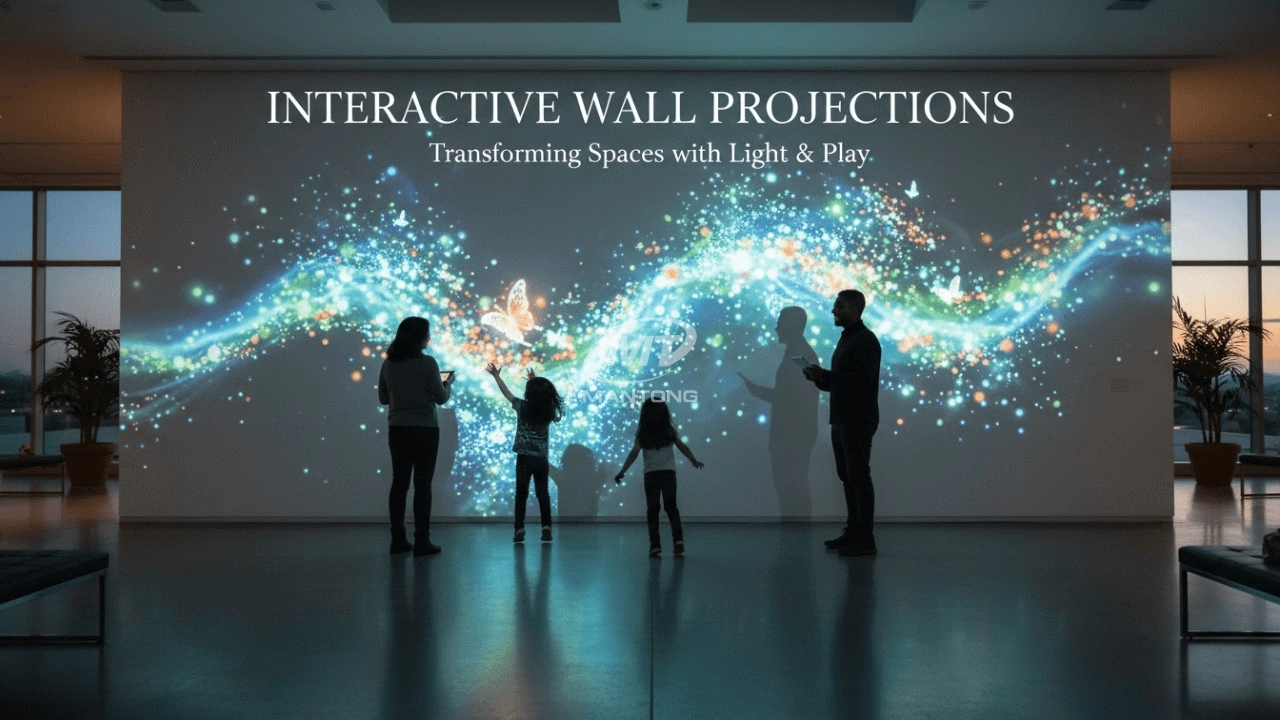
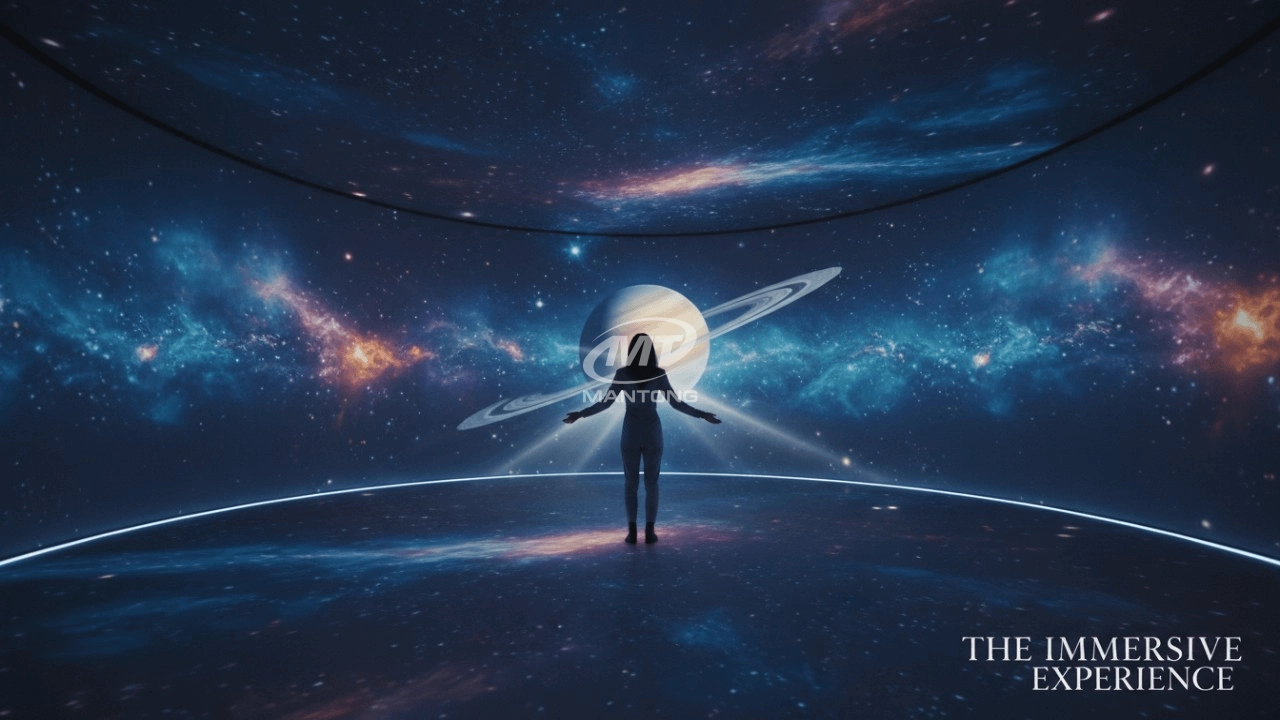


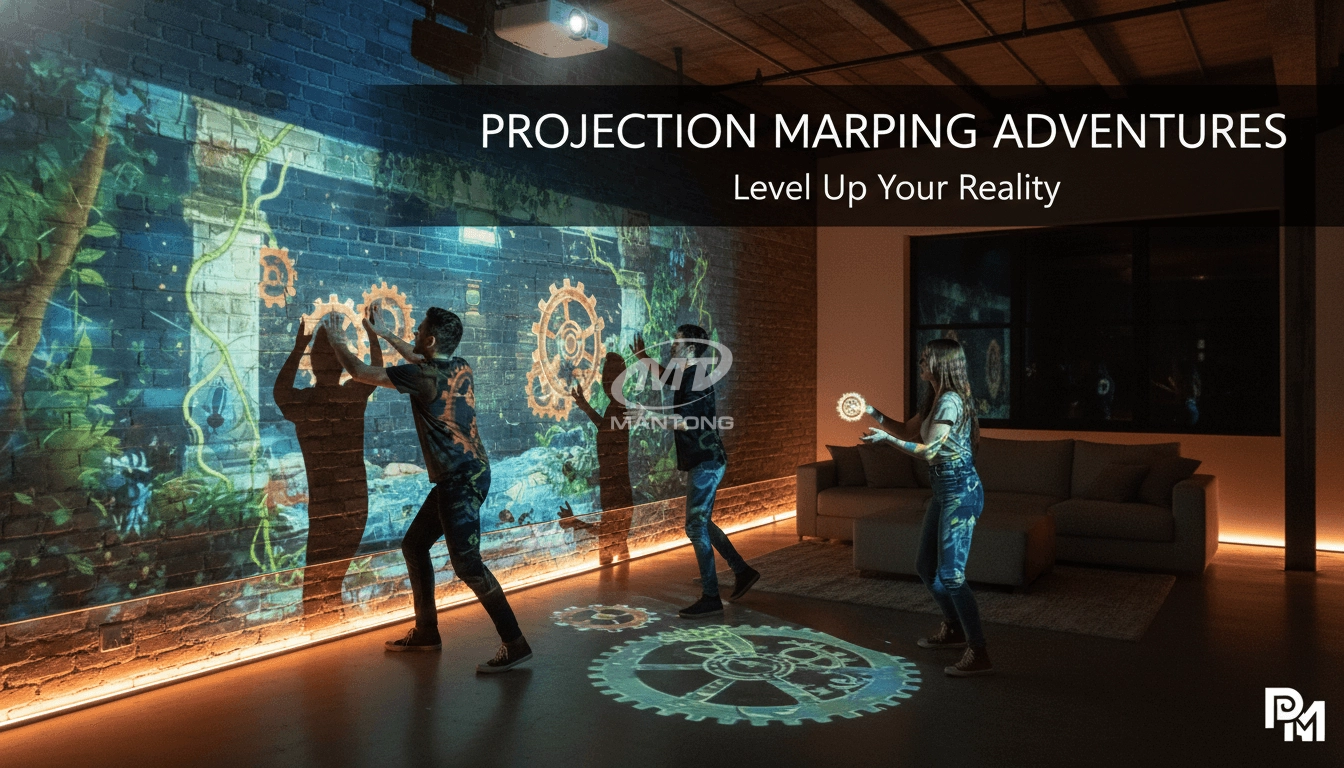
One-Stop Projection Solution Provider Since 2011
Are you trader or manufacturer ?
We are direct manufacturer who specialize in providing one-stop solution for different outdoor & indoor projection project with our stable software and qualified projectors
What about the wall/floor material for the projection?
It’s recommended to choose a light-colored material with minimal reflectivity—pure white or light grey works best. the
common material is cement & plaster board
For optimal projection results, the surface should be free of any patterns or textures, as the projector will display content
directly onto it.
There are no specific material requirements; you may use any commonly available material in your local market, as long as it
meets the above conditions.
How to Write an Interactive-Effect Video Customisation Script ?
① Project Background: Briefly introduce the context in which this interactive scene will be used (e.g., exhibition, museum,
event space, children's area). Example: This scene is part of the “Underwater World” zone in a children's science museum,
designed to be engaging and exploratory.
②Visual Style / Atmosphere: What kind of visual mood are you aiming for? Please describe the color scheme, style, and any
references. it should focus solely on describing the visual aspects of the scene, supported by relevant charts or reference
images.
③ Interaction Points Overview:List each interactive hotspot along with the effect you'd like to trigger when the user
touches or clicks the area. example: when player touch the clownfish, it will swims away with bubble trail (animation effect)
and produce the bubble sound ( sound effect requirement )
④ Static Visual Reference:including but not limited to background image/video, a list of major visual elements (e.g., coral,
rocks, seaweed, fish), which elements should be interactive?
What information do you need to know before making the proposal/solution?
We know that everyone wants to know the price, but the price of our products is determined by many factors since most of our products are custom, so no ready price list. In order to fast understand what you need, can you send us an inquiry like this?
For example: I am really interested in your immersive projection products, we are a company in the USA and want to install some in my restaurant. It is about 50 meters long, and 5m in width. Projection size you can decide but the length should be not less than 20 meters. We want some content about SeaWorld because our place is all about the sea. Thank you.
What's Immersive Projection ?
Immersive projection refers to a technology that creates a captivating and all-encompassing visual experience for viewers by projecting images or videos onto large surfaces, such as walls, floors, or even entire rooms. This technology aims to immerse the audience in a simulated environment, blurring the boundaries between the physical and virtual worlds.
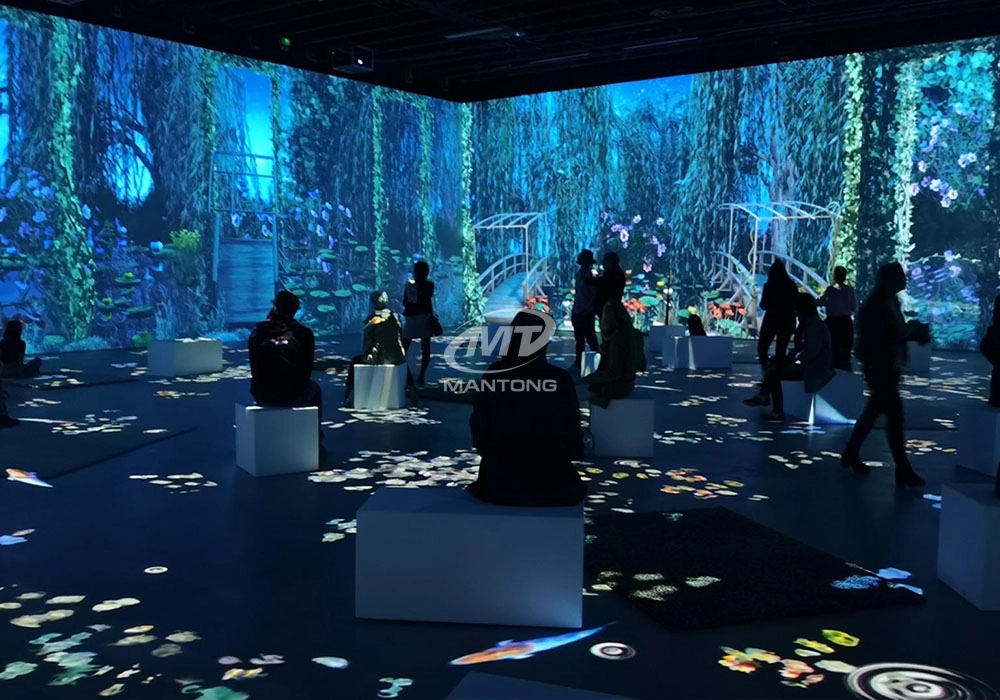
Transform any space with Mantong's immersive projection mapping systems. Our high-lumen projectors (up to 6500 LM) and custom software create captivating interactive experiences for floors and walls. Ideal for museums, events, retail, and hospitality. Each kit includes professional ceiling mounting and 80+ pre-loaded video contents and is backed by a 12-month warranty and CE certification. We offer full customization and support to bring your vision to life.
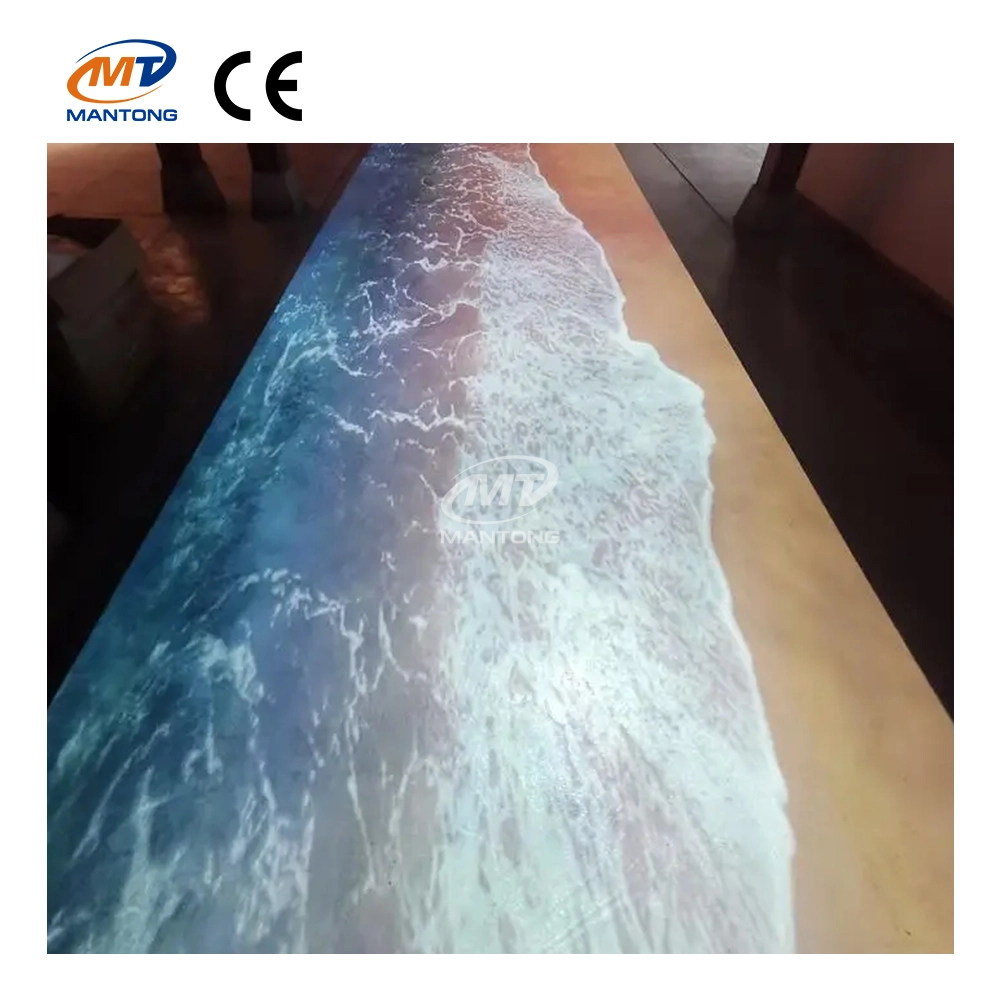
Indoor interactive floor projections display dynamic themed videos on the floor, commonly used in venues aiming to enhance brand influence or attract foot traffic, such as restaurants, hotel corridors, and brand car retail stores.
By using projectors and compatible software, the interactive content is projected onto the floor, encouraging engagement between people and the projected visuals. A single 5500-lumen indoor floor projector can cover an area of 5 m × 3 m. Typically, each project will use at least 3 units to ensure broad coverage and optimal visual effects.
We also offer customized design and installation support to enhance the interactive experience for your venue.
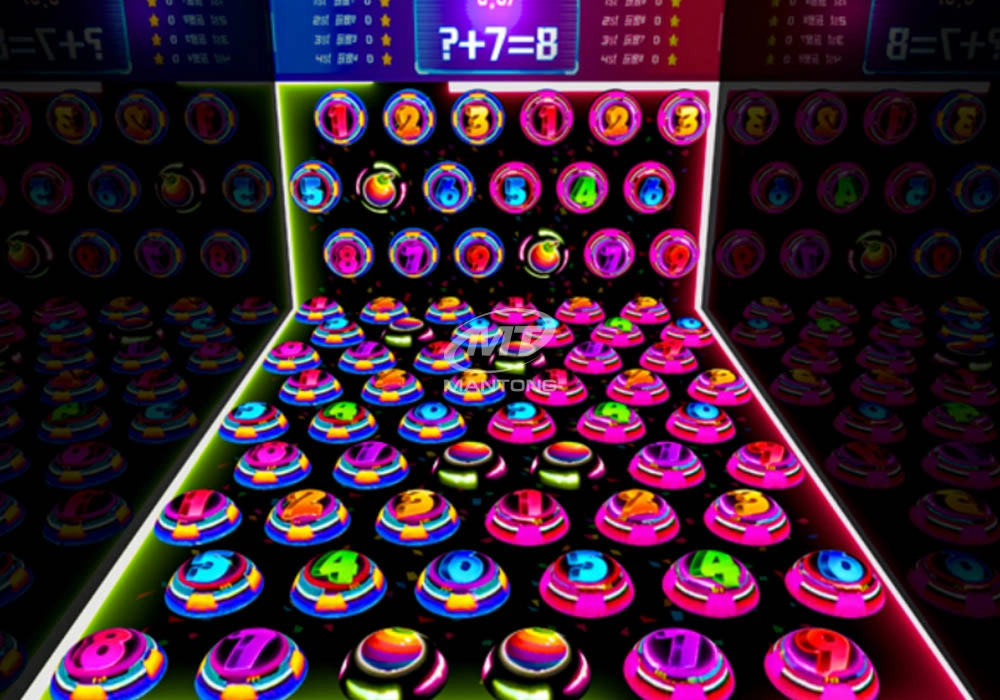
Rapidly Rotating Bouncing Sphere is an interactive space where participants jump on rotating spheres. As they step on it, the spheres surface will show special interactivity
Jumping on spheres of the same color in succession causes them to pop, releasing light particles. The more consecutive jumps, the greater the reward—caterpillars appear, and eventually, all spheres of that color burst, filling the space with light and even more caterpillars.
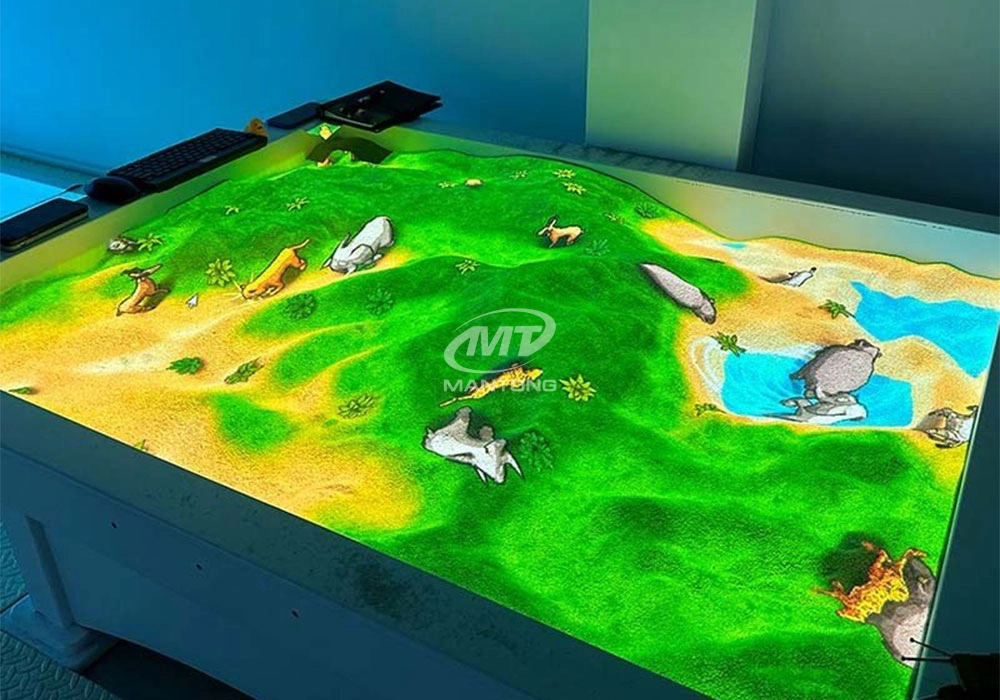
Bring imagination to life with interactive sandbox projection mapping games designed for kids’ play parks. Using cutting-edge projection technology and real-time motion sensing, children can dig, build, and explore virtual worlds directly in the sand. Educational, engaging, and endlessly fun — it’s the perfect blend of play and learning.
Contact Us to Start Your Interactive Projection Journey
Contact us now to discuss how to create innovative projection solutions for your space.

Kaida Business Center, Shixin Road, Panyu District,Guangzhou City, Guangdong Province, China.
ManTong
ManTong
ManTong