
How long does it take to install an immersive room? | Insights by Mantong
- Understanding Interactive Projection System Installation
- 1. What Factors Influence the Installation Time of an Immersive Room?
- 2. What Are the Typical Installation Timeframes for Interactive Projection Systems?
- 3. What Are the Key Steps Involved in Installing an Interactive Projection System?
- 4. How Do Environmental Factors Affect the Installation and Performance of Interactive Projection Systems?
- 5. What Are the Maintenance Requirements for Interactive Projection Systems?
- 6. How Do Interactive Projection Systems Enhance User Engagement?
- 7. What Are the Cost Considerations for Installing an Interactive Projection System?
- 8. How Do Interactive Projection Systems Compare to Traditional Display Methods?
- Conclusion: Why Choose Mantong for Your Interactive Projection Needs?
Understanding Interactive Projection System Installation
Interactive projection systems transform physical spaces into dynamic, interactive environments by projecting images and videos onto walls, floors, or tables. Installing such systems involves several key considerations to ensure optimal performance and user engagement.
1. What Factors Influence the Installation Time of an Immersive Room?
The installation time for an immersive room depends on several factors:
Room Size and Complexity: Larger and more complex spaces may require additional time for setup.
Equipment Selection: The type and quantity of equipment, such as projectors, sensors, and interactive devices, can impact installation duration.
Customization Requirements: Tailored solutions to meet specific user needs may extend the installation process.
Site Preparation: Ensuring the space is ready, including structural modifications and electrical work, can add to the timeline.
2. What Are the Typical Installation Timeframes for Interactive Projection Systems?
Installation timeframes vary based on system complexity:
Simple Installations: Basic setups may take 2-5 days, depending on surface complexity and system requirements.
Permanent Venue Installations: More intricate installations, such as those in dedicated venues, can average around 72 hours with professional support.
3. What Are the Key Steps Involved in Installing an Interactive Projection System?
The installation process typically includes:
Site Survey and Planning: Assessing the space, understanding user requirements, and planning the system layout.
Equipment Selection and Procurement: Choosing appropriate projectors, sensors, and interactive devices based on the planned setup.
Installation and Calibration: Setting up hardware, ensuring proper alignment, and calibrating the system for optimal performance.
Testing and Quality Assurance: Verifying system functionality, troubleshooting issues, and making necessary adjustments.
Training and Handover: Educating users on system operation and maintenance.
4. How Do Environmental Factors Affect the Installation and Performance of Interactive Projection Systems?
Environmental considerations include:
Ambient Light Levels: High ambient light can wash out projections; controlling lighting is essential for clear visuals.
Surface Characteristics: The color, texture, and reflectivity of projection surfaces impact image quality.
Space Dimensions: Room size and layout influence projection angles and image scaling.
Acoustic Properties: Sound quality is affected by room acoustics, necessitating potential adjustments.
5. What Are the Maintenance Requirements for Interactive Projection Systems?
Regular maintenance ensures longevity and optimal performance:
Cleaning: Periodic cleaning of projectors and sensors to prevent dust buildup.
Software Updates: Keeping system software up to date for security and functionality.
Hardware Inspections: Regular checks for wear and tear, replacing components as needed.
User Training: Ongoing education for users to maximize system capabilities.
6. How Do Interactive Projection Systems Enhance User Engagement?
These systems offer:
Immersive Experiences: Engaging users through interactive visuals and sounds.
Educational Opportunities: Facilitating learning through interactive content.
Entertainment Value: Providing dynamic environments for games and interactive media.
Collaborative Interactions: Encouraging teamwork and social interaction through shared experiences.
7. What Are the Cost Considerations for Installing an Interactive Projection System?
Costs vary based on:
System Complexity: More advanced systems with higher specifications increase costs.
Customization: Tailored solutions to meet specific needs may require additional investment.
Installation Services: Professional installation services add to the overall expense.
Maintenance: Ongoing maintenance and support services contribute to long-term costs.
8. How Do Interactive Projection Systems Compare to Traditional Display Methods?
Advantages include:
Flexibility: Ability to project onto various surfaces without the need for physical screens.
Interactivity: Engaging users through touch or motion-based interactions.
Scalability: Easily adaptable to different room sizes and configurations.
Cost-Effectiveness: Potentially lower costs compared to installing multiple traditional displays.
Conclusion: Why Choose Mantong for Your Interactive Projection Needs?
Mantong offers:
Expertise: Years of experience in designing and installing interactive projection systems.
Customization: Tailored solutions to meet specific user requirements.
Quality Assurance: Commitment to high-quality equipment and professional installation services.
Customer Support: Ongoing support and maintenance to ensure system longevity and optimal performance.
By choosing Mantong, you ensure a seamless and engaging interactive projection experience that enhances user engagement and meets your specific needs.


One-Stop Projection Solution Provider Since 2011
How to Write an Interactive-Effect Video Customisation Script ?
① Project Background: Briefly introduce the context in which this interactive scene will be used (e.g., exhibition, museum,
event space, children's area). Example: This scene is part of the “Underwater World” zone in a children's science museum,
designed to be engaging and exploratory.
②Visual Style / Atmosphere: What kind of visual mood are you aiming for? Please describe the color scheme, style, and any
references. it should focus solely on describing the visual aspects of the scene, supported by relevant charts or reference
images.
③ Interaction Points Overview:List each interactive hotspot along with the effect you'd like to trigger when the user
touches or clicks the area. example: when player touch the clownfish, it will swims away with bubble trail (animation effect)
and produce the bubble sound ( sound effect requirement )
④ Static Visual Reference:including but not limited to background image/video, a list of major visual elements (e.g., coral,
rocks, seaweed, fish), which elements should be interactive?
What's Immersive Projection ?
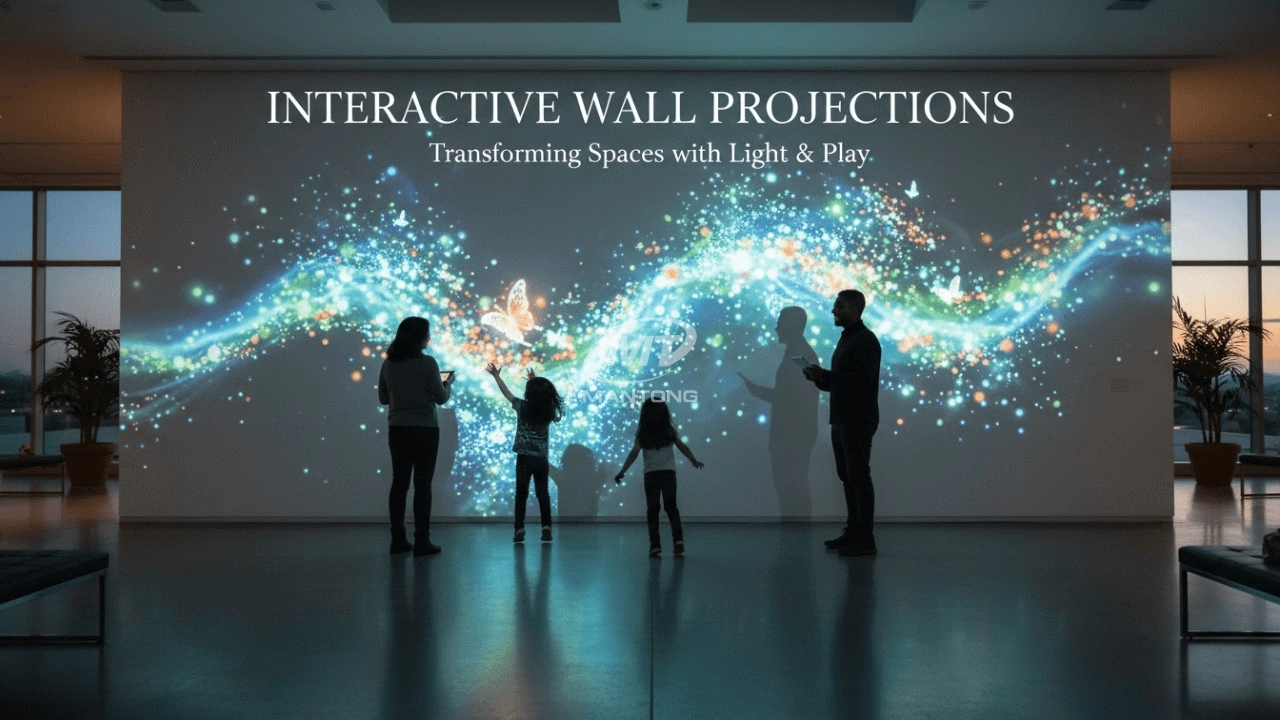
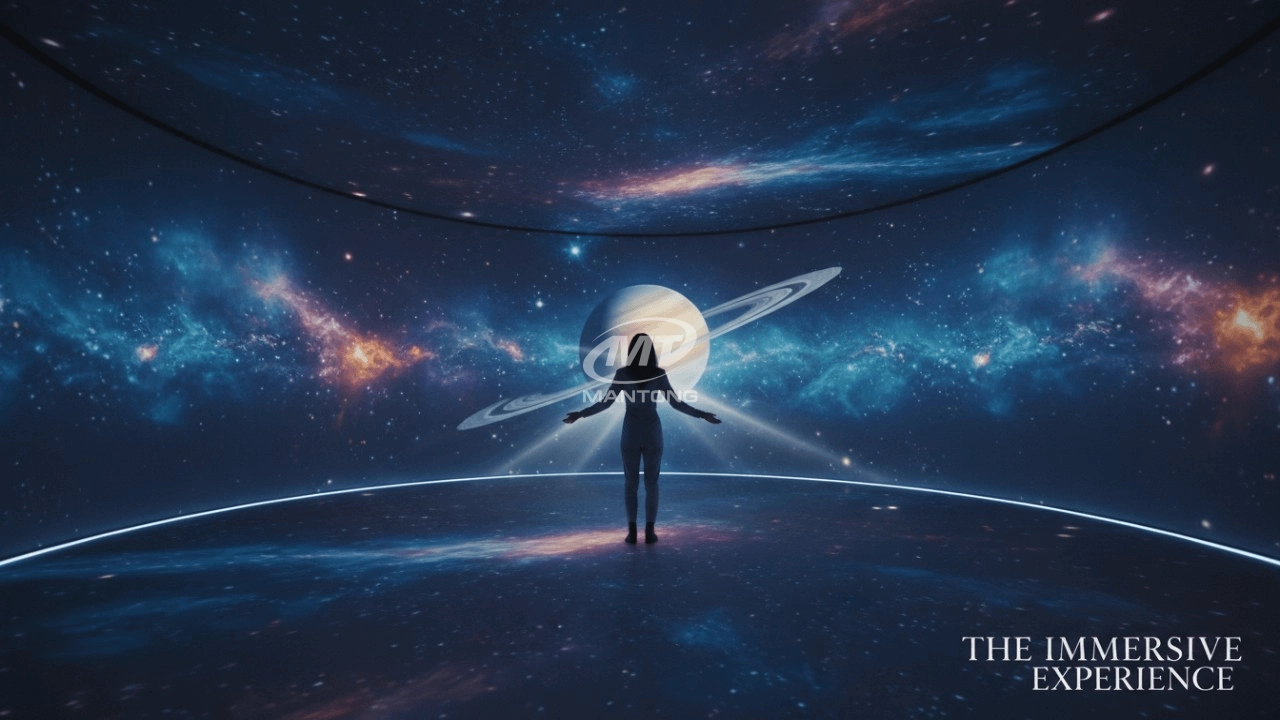
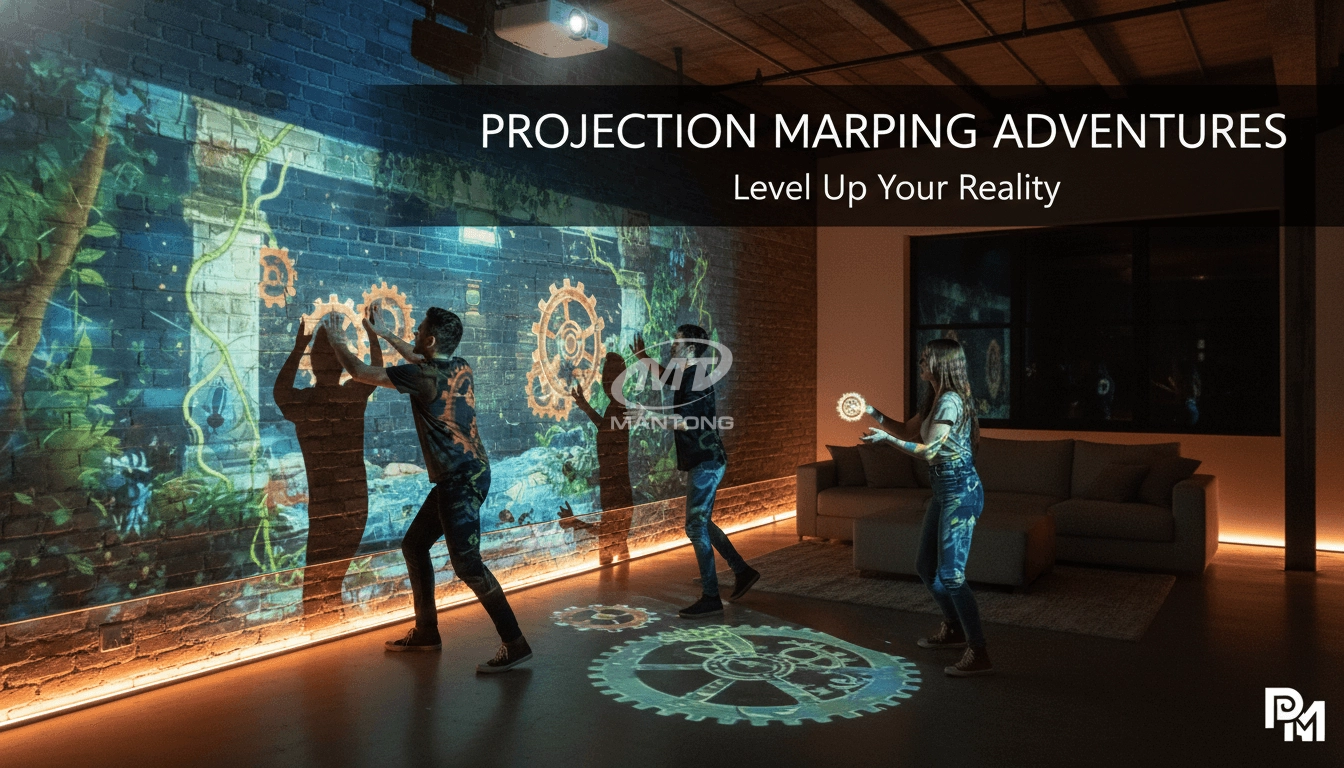
Immersive projection refers to a technology that creates a captivating and all-encompassing visual experience for viewers by projecting images or videos onto large surfaces, such as walls, floors, or even entire rooms. This technology aims to immerse the audience in a simulated environment, blurring the boundaries between the physical and virtual worlds.
What about the wall/floor material for the projection?
It’s recommended to choose a light-colored material with minimal reflectivity—pure white or light grey works best. the
common material is cement & plaster board
For optimal projection results, the surface should be free of any patterns or textures, as the projector will display content
directly onto it.
There are no specific material requirements; you may use any commonly available material in your local market, as long as it
meets the above conditions.
Are you trader or manufacturer ?
We are direct manufacturer who specialize in providing one-stop solution for different outdoor & indoor projection project with our stable software and qualified projectors
What's the application of Immersive projection ?
It can be used in various venues, such as art exhibition, entertainment venues, educational institution, Wedding hall /Banquet/Bar,Yoga Studio and so on. It often involves advanced projection techniques, multimedia content, and interactive elements to engage and captivate the audience's senses.
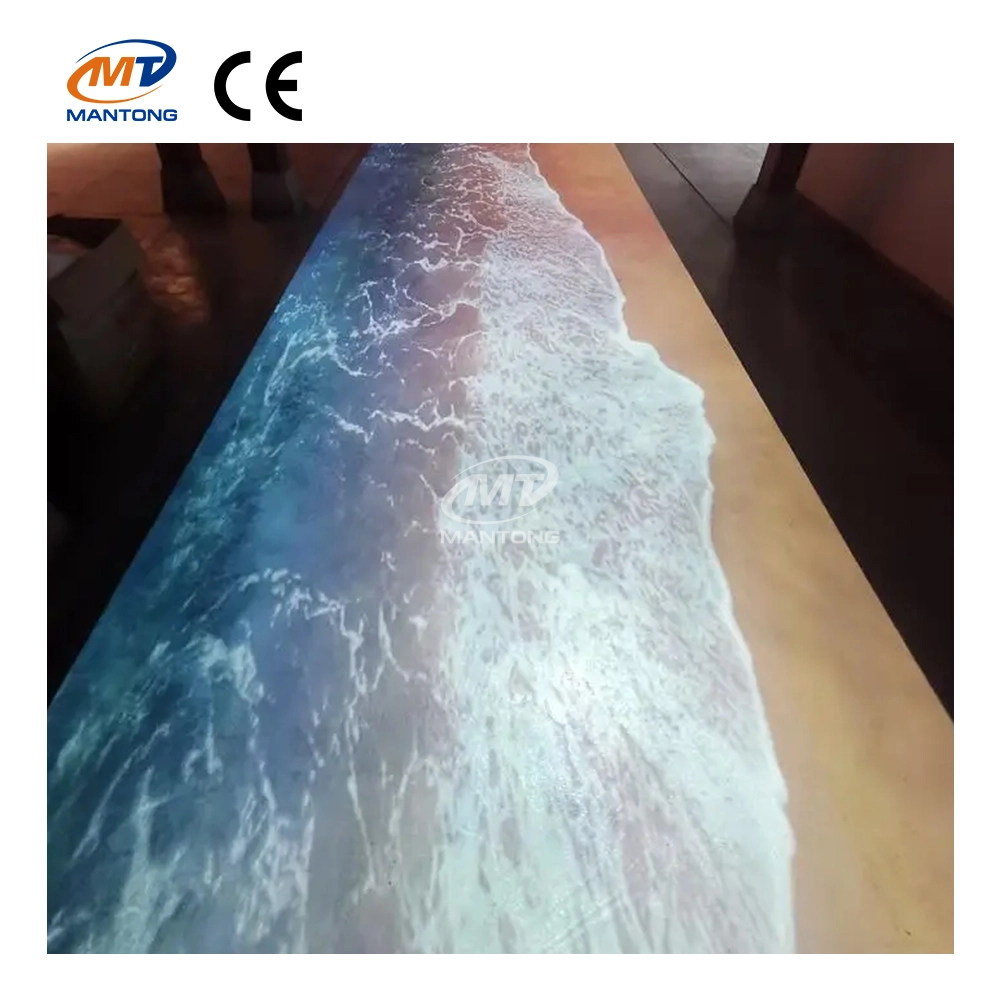
Indoor interactive floor projections display dynamic themed videos on the floor, commonly used in venues aiming to enhance brand influence or attract foot traffic, such as restaurants, hotel corridors, and brand car retail stores.
By using projectors and compatible software, the interactive content is projected onto the floor, encouraging engagement between people and the projected visuals. A single 5500-lumen indoor floor projector can cover an area of 5 m × 3 m. Typically, each project will use at least 3 units to ensure broad coverage and optimal visual effects.
We also offer customized design and installation support to enhance the interactive experience for your venue.
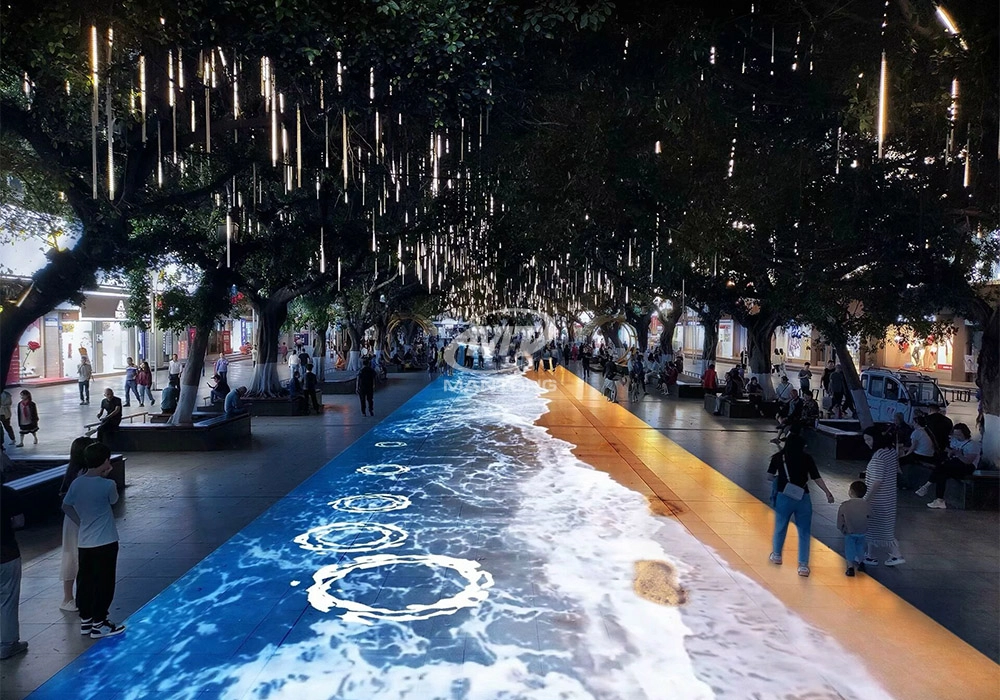
Combining projection mapping with 3D interactive ground projection technology brings an unprecedented immersive experience to outdoor scenes.
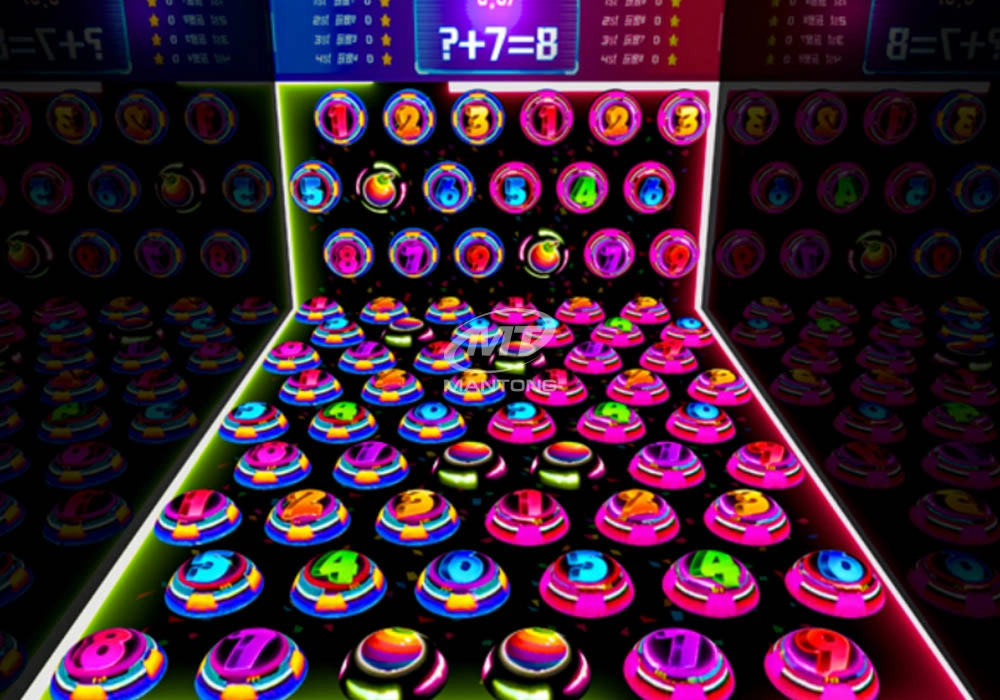
Rapidly Rotating Bouncing Sphere is an interactive space where participants jump on rotating spheres. As they step on it, the spheres surface will show special interactivity
Jumping on spheres of the same color in succession causes them to pop, releasing light particles. The more consecutive jumps, the greater the reward—caterpillars appear, and eventually, all spheres of that color burst, filling the space with light and even more caterpillars.
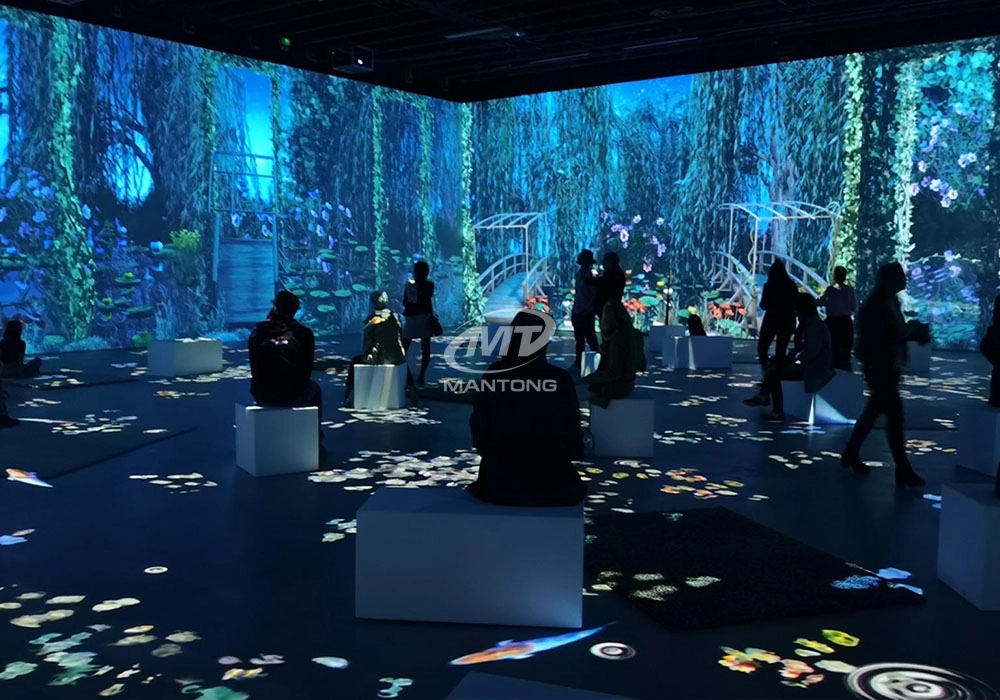
Transform any space with Mantong's immersive projection mapping systems. Our high-lumen projectors (up to 6500 LM) and custom software create captivating interactive experiences for floors and walls. Ideal for museums, events, retail, and hospitality. Each kit includes professional ceiling mounting and 80+ pre-loaded video contents and is backed by a 12-month warranty and CE certification. We offer full customization and support to bring your vision to life.
Contact Us to Start Your Interactive Projection Journey
Contact us now to discuss how to create innovative projection solutions for your space.

Kaida Business Center, Shixin Road, Panyu District,Guangzhou City, Guangdong Province, China.
ManTong
ManTong
ManTong