
How do projection restaurants attract more customers and improve marketing? | Insights by Mantong
- Introduction
- 1. What is Interactive Projection Technology?
- 2. How Does Interactive Projection Enhance Customer Engagement?
- 3. What Are the Marketing Benefits of Implementing Projection Technology?
- 4. How Can Restaurants Implement Interactive Projection Technology?
- 5. What Are Some Examples of Projection Restaurants?
- 6. What Are the Challenges of Implementing Projection Technology?
- 7. How Can Restaurants Measure the Success of Projection Technology?
- 8. What Are the Future Trends in Projection Technology for Restaurants?
- Conclusion
Introduction
In the competitive restaurant industry, establishments are continually seeking innovative ways to captivate diners and distinguish themselves from competitors. One such innovation is the integration of interactive projection technology, which transforms traditional dining spaces into immersive, engaging environments. This article delves into how projection restaurants attract more customers and enhance their marketing efforts, providing valuable insights for industry professionals considering this technology.
1. What is Interactive Projection Technology?
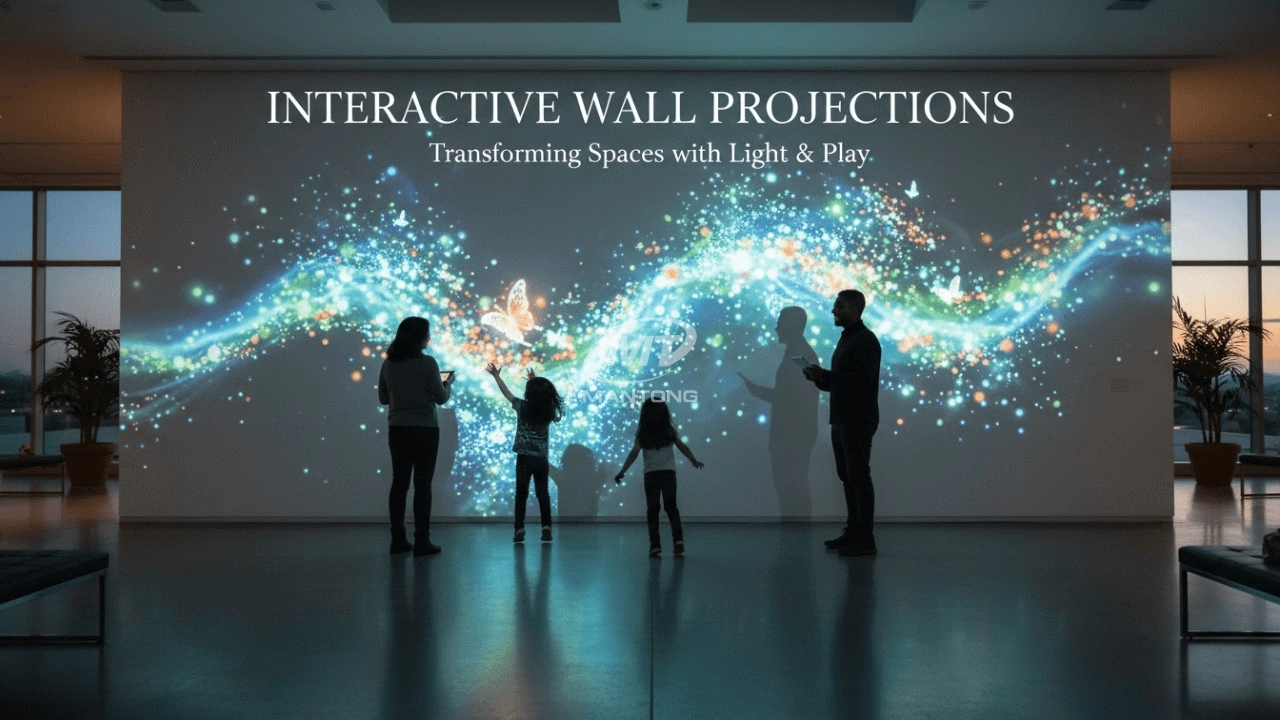
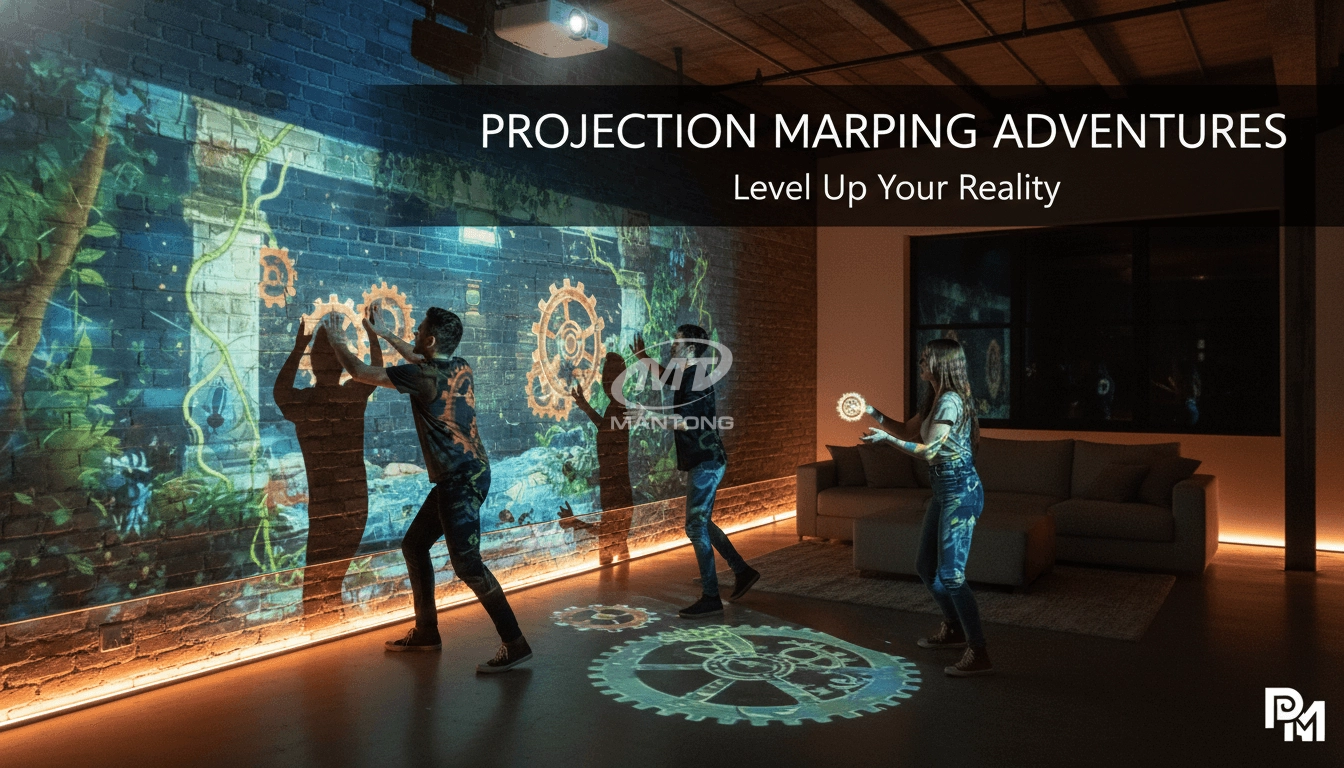
Interactive projection technology involves projecting dynamic visuals onto various surfaces within a restaurant, such as tables, walls, and floors. These projections can be synchronized with the dining experience, creating a multisensory environment that engages customers beyond the meal itself. For instance, a restaurant might project an underwater scene onto the dining table during a seafood course, enhancing the thematic experience.
2. How Does Interactive Projection Enhance Customer Engagement?
By incorporating interactive projections, restaurants can:
- Create Immersive Dining Experiences: Transform static dining areas into dynamic spaces that respond to customer interactions, making the dining experience more memorable.
- Encourage Social Media Sharing: Unique and visually captivating projections often prompt customers to share their experiences on social media platforms, providing organic marketing and increasing brand visibility.
- Offer Personalized Experiences: Tailor projections to individual preferences or special occasions, enhancing customer satisfaction and fostering loyalty.
3. What Are the Marketing Benefits of Implementing Projection Technology?
Integrating projection technology offers several marketing advantages:
- Brand Differentiation: Utilizing cutting-edge technology sets a restaurant apart from competitors, attracting tech-savvy diners seeking novel experiences.
- Enhanced Customer Retention: Providing unique and engaging experiences encourages repeat visits and positive word-of-mouth referrals.
- Increased Revenue Opportunities: The novelty of interactive projections can justify premium pricing and attract a broader customer base, including those willing to pay more for an exceptional dining experience.
4. How Can Restaurants Implement Interactive Projection Technology?
To successfully integrate interactive projections, restaurants should consider the following steps:
- Assess Technical Requirements: Evaluate the space to determine suitable projection surfaces and ensure adequate lighting conditions for optimal visual effects.
- Choose Appropriate Content: Develop or source content that aligns with the restaurant's theme and enhances the dining experience without overwhelming the senses.
- Ensure Seamless Integration: Work with experienced professionals to install and calibrate the projection system, ensuring reliability and ease of use for staff and customers.
5. What Are Some Examples of Projection Restaurants?
Several establishments have successfully implemented projection technology to enhance their dining experiences:
- Ultraviolet (Shanghai, China): Billed as the first multi-sensory restaurant in the world, Ultraviolet uses sight, sound, and smell to enhance the food through a controlled and tailored atmosphere. The dining room is equipped with multi-sensory technology such as dry scent projectors, stage and UV lighting, 360-degree wall projection, table projectors, beam speakers, and a multichannel speaker system. Each course of the menu is accompanied by lights, sounds, music, and/or scents to provide context for the dish's taste.
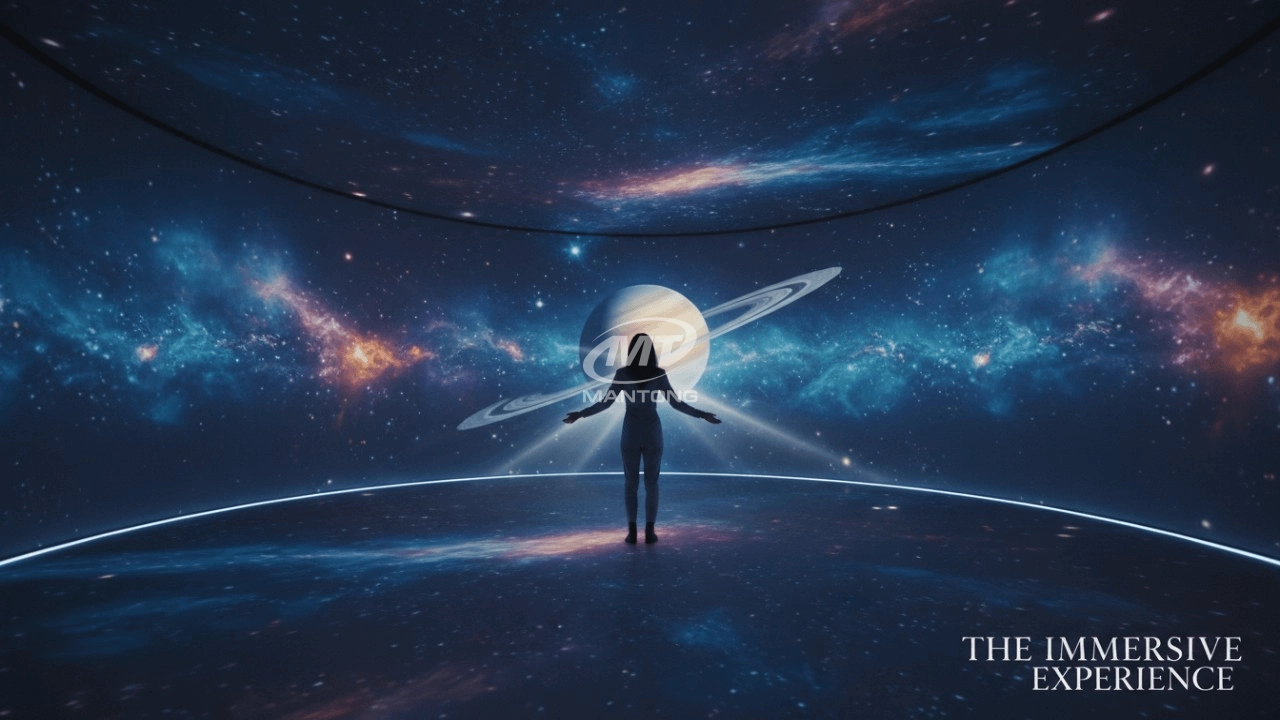
- Restaurant Domes (Various Locations): These immersive dining venues feature 360-degree projection mapping, allowing for a completely customizable and interactive environment around the diners. The projected environment is often synchronized with the meal being served, allowing for a narrative or thematic journey that engages all the senses.
- Interactive Projection Tables (Various Locations): Some restaurants have implemented projection mapping on dining tables, turning them into interactive surfaces that respond to touch and movement. This technology can display menus, animations, games, or even virtual chefs, enhancing the dining experience and encouraging social interaction.
6. What Are the Challenges of Implementing Projection Technology?
While the benefits are significant, restaurants should be aware of potential challenges:
- High Initial Investment: The cost of purchasing and installing projection equipment can be substantial, which may be a barrier for some establishments.
- Technical Maintenance: Regular maintenance is required to ensure the system operates smoothly, which may necessitate specialized staff or external support.
- Content Development: Creating or sourcing high-quality, relevant content that aligns with the restaurant's theme and enhances the dining experience can be time-consuming and costly.
7. How Can Restaurants Measure the Success of Projection Technology?
To assess the impact of interactive projection technology, restaurants can monitor:
- Customer Feedback: Collecting reviews and conducting surveys to gauge customer satisfaction and gather insights for improvement.
- Social Media Engagement: Tracking mentions, shares, and hashtags related to the restaurant to measure the reach and effectiveness of marketing efforts.
- Sales Metrics: Analyzing changes in average check size, table turnover rates, and overall revenue to determine the financial impact of the technology.
8. What Are the Future Trends in Projection Technology for Restaurants?
The future of projection technology in the restaurant industry may include:
- Augmented Reality (AR) Integration: Combining projection with AR to create more immersive and interactive dining experiences.
- Personalized Projections: Utilizing data analytics to tailor projections to individual customer preferences, enhancing personalization.
- Mobile Integration: Allowing customers to interact with projections through their smartphones or wearable devices, providing a seamless and personalized experience.
Conclusion
Integrating interactive projection technology offers restaurants a powerful tool to enhance customer engagement, differentiate their brand, and improve marketing outcomes. By carefully considering the implementation process and addressing potential challenges, establishments can create memorable dining experiences that resonate with customers and drive business success. Brands like Mantong specialize in providing innovative projection solutions tailored to the unique needs of the restaurant industry, offering expertise and support to ensure successful integration and operation.


One-Stop Projection Solution Provider Since 2011
Are you trader or manufacturer ?
We are direct manufacturer who specialize in providing one-stop solution for different outdoor & indoor projection project with our stable software and qualified projectors
How to install the projection equipment ?
1) Install the projector in a suitable position. We will provide you with a hanger, which you need to fix on the ceiling with
screws.
2) Connect projectors, computers and other accessories through wires.
3) After completing the above 2 steps, we will carry out the edge blending steps. Our team can complete it through remote
control.
In general, installation instructions for each project need to be specified on a project-by-project basis. The above is for
reference only.
What information do you need to know before making the proposal/solution?
We know that everyone wants to know the price, but the price of our products is determined by many factors since most of our products are custom, so no ready price list. In order to fast understand what you need, can you send us an inquiry like this?
For example: I am really interested in your immersive projection products, we are a company in the USA and want to install some in my restaurant. It is about 50 meters long, and 5m in width. Projection size you can decide but the length should be not less than 20 meters. We want some content about SeaWorld because our place is all about the sea. Thank you.
What about the wall/floor material for the projection?
It’s recommended to choose a light-colored material with minimal reflectivity—pure white or light grey works best. the
common material is cement & plaster board
For optimal projection results, the surface should be free of any patterns or textures, as the projector will display content
directly onto it.
There are no specific material requirements; you may use any commonly available material in your local market, as long as it
meets the above conditions.
What's the application of Immersive projection ?
It can be used in various venues, such as art exhibition, entertainment venues, educational institution, Wedding hall /Banquet/Bar,Yoga Studio and so on. It often involves advanced projection techniques, multimedia content, and interactive elements to engage and captivate the audience's senses.
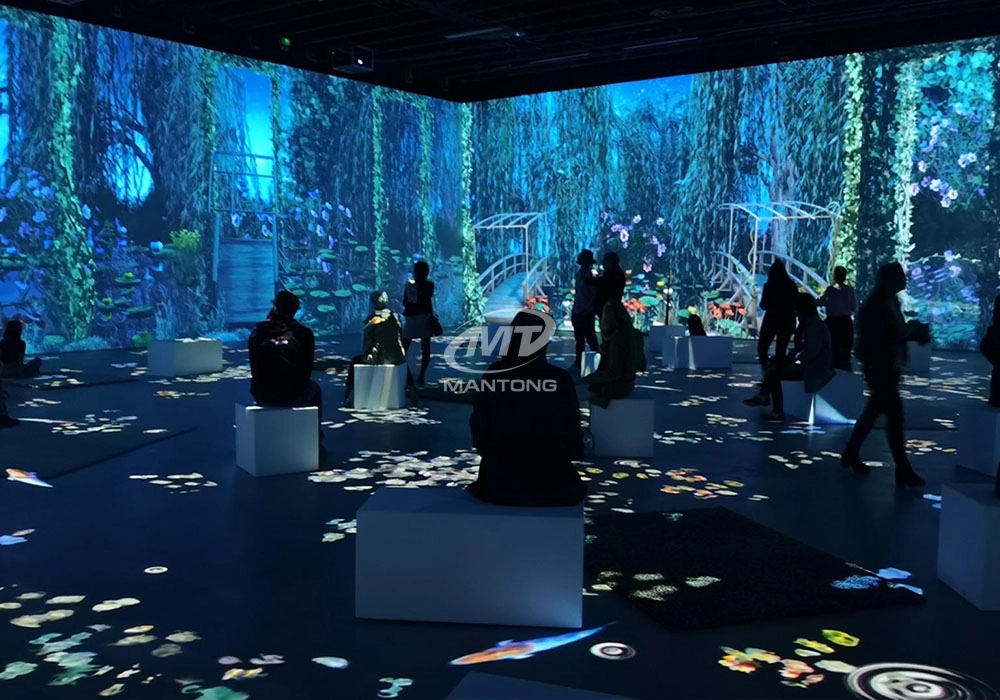
Transform any space with Mantong's immersive projection mapping systems. Our high-lumen projectors (up to 6500 LM) and custom software create captivating interactive experiences for floors and walls. Ideal for museums, events, retail, and hospitality. Each kit includes professional ceiling mounting and 80+ pre-loaded video contents and is backed by a 12-month warranty and CE certification. We offer full customization and support to bring your vision to life.
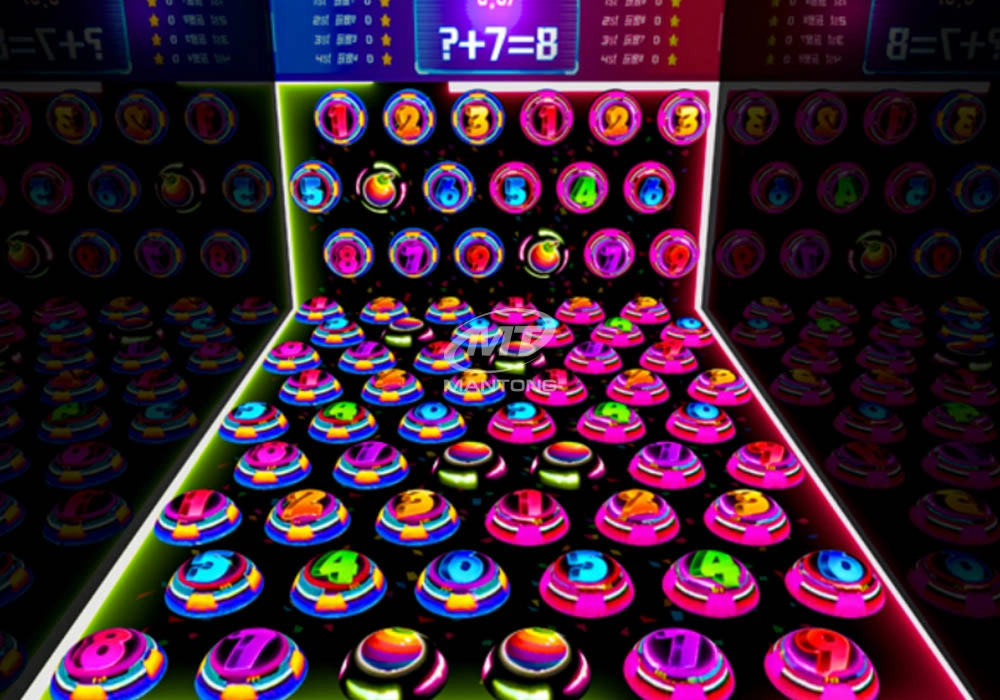
Rapidly Rotating Bouncing Sphere is an interactive space where participants jump on rotating spheres. As they step on it, the spheres surface will show special interactivity
Jumping on spheres of the same color in succession causes them to pop, releasing light particles. The more consecutive jumps, the greater the reward—caterpillars appear, and eventually, all spheres of that color burst, filling the space with light and even more caterpillars.
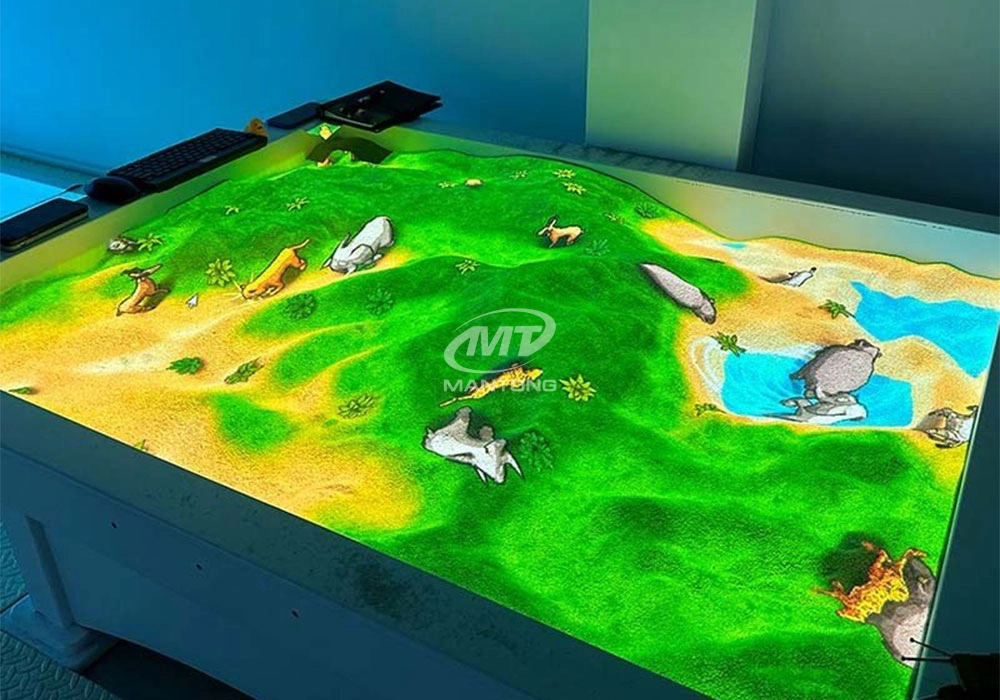
Bring imagination to life with interactive sandbox projection mapping games designed for kids’ play parks. Using cutting-edge projection technology and real-time motion sensing, children can dig, build, and explore virtual worlds directly in the sand. Educational, engaging, and endlessly fun — it’s the perfect blend of play and learning.
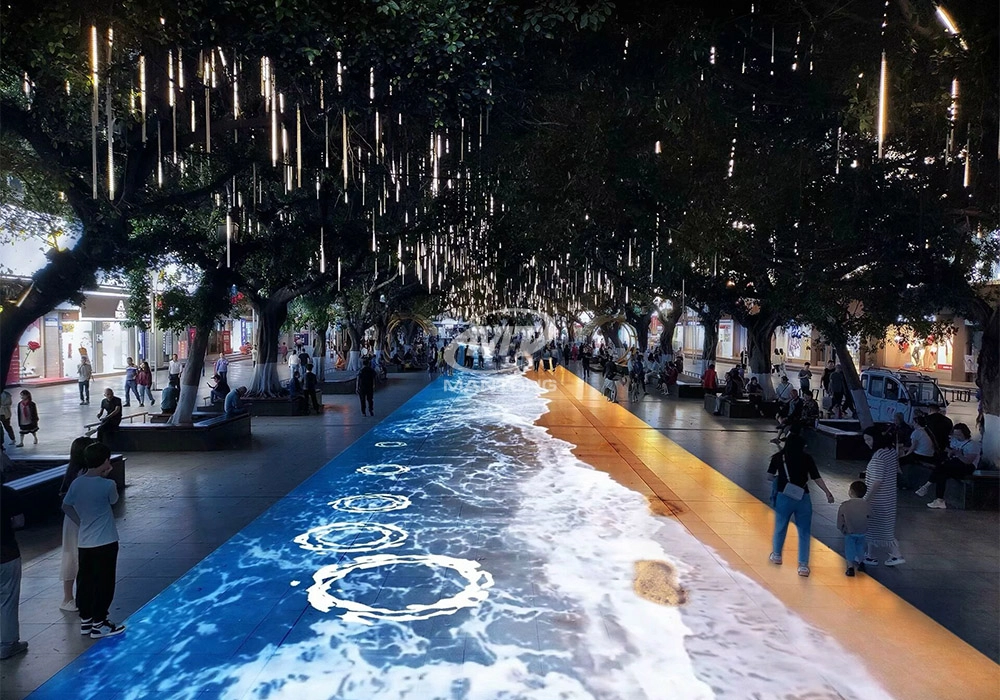
Combining projection mapping with 3D interactive ground projection technology brings an unprecedented immersive experience to outdoor scenes.
Contact Us to Start Your Interactive Projection Journey
Contact us now to discuss how to create innovative projection solutions for your space.

Kaida Business Center, Shixin Road, Panyu District,Guangzhou City, Guangdong Province, China.
ManTong
ManTong
ManTong