
Top 5 Benefits of Interactive Projector Games in Classrooms
Discover the top 5 benefits of using Mantong's Interactive Projector Games in classrooms. Enhance student engagement, foster collaboration, and boost learning outcomes with our innovative educational tools. Experience the future of interactive learning today!
- What Are Interactive Projector Games?
- Definition and How They Work
- Examples of Common Classroom Applications
- Benefit 1 – Increased Student Engagement
- Benefit 2 – Enhances Collaboration and Social Skills
- Benefit 3 – Supports Kinesthetic and Visual Learning Styles
- Benefit 4 – Real-Time Feedback and Gamified Assessment
- Benefit 5 – Easy Integration into Lesson Plans
- Why More Schools Are Investing in Interactive Projector Games
- Conclusion
In today’s modern classrooms, one of the most pressing challenges educators face is finding effective ways to keep students truly engaged. As traditional teaching approaches lose traction, schools are increasingly turning to innovative, tech-based solutions to enhance learning. Among the most impactful of these advancements is interactive projection mapping—a technology that blends motion tracking, vivid imagery, and touch-free interaction to create highly engaging learning environments.
Across the globe, from early childhood education to elementary schools, educators are integrating interactive floor projection systems and interactive wall projection games into their lessons. These tools encourage students to move, think, and collaborate in new ways, helping them absorb concepts through active participation. In the sections that follow, we’ll dive deeper into what makes interactive projector games so valuable and explore how they’re reshaping classroom learning experiences.
What Are Interactive Projector Games?
Before diving into the benefits, it’s important to understand what makes this technology so effective in learning environments.
Definition and How They Work
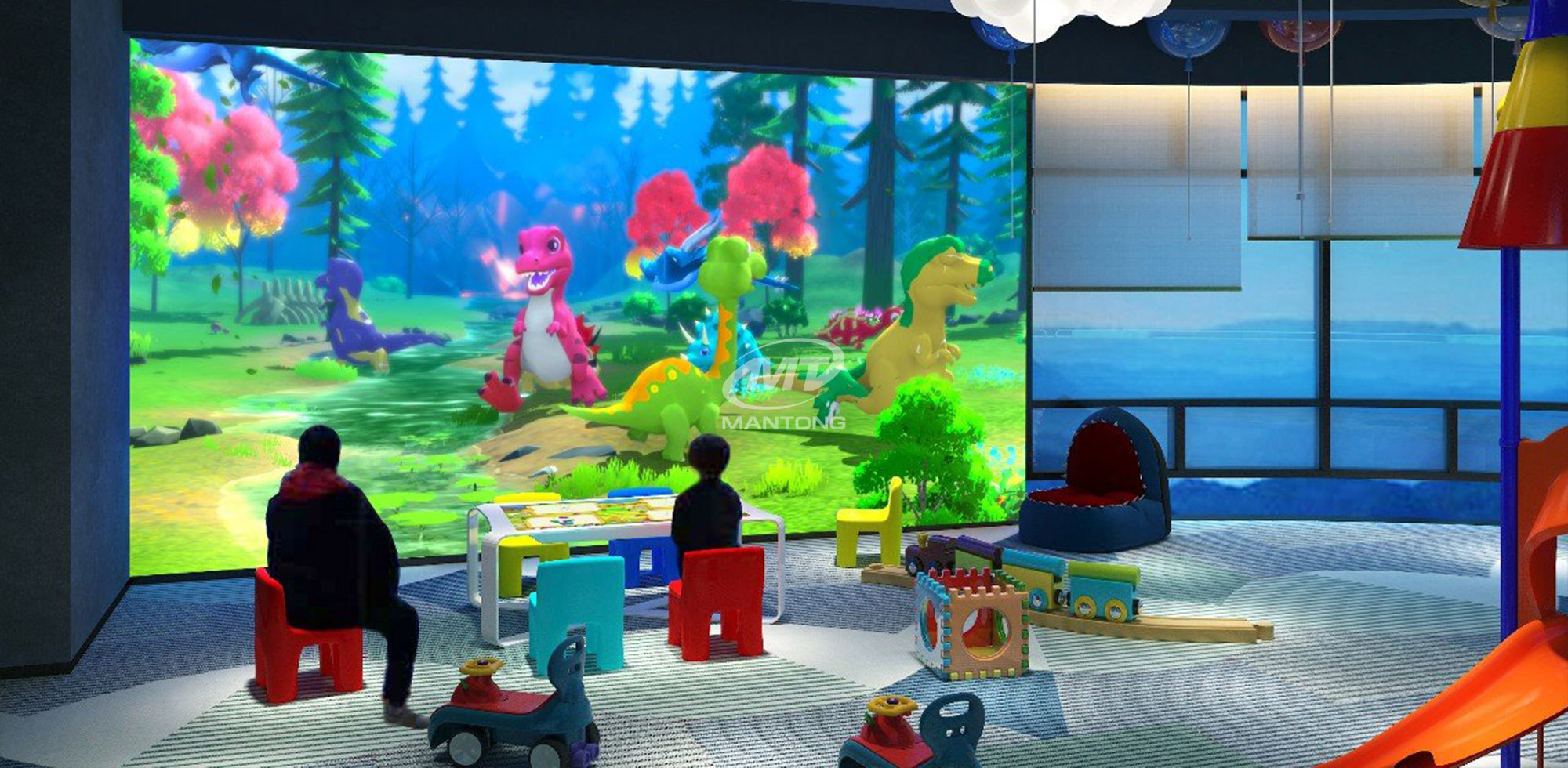
Interactive projector games use a combination of projectors, sensors (such as infrared or camera-based motion tracking), and specialized software to turn flat surfaces—floors, walls, or tables—into dynamic digital play spaces. This system is powered by interactive projection mapping, which allows virtual content to respond in real time to human motion or gestures without the need for physical controllers.
This hands-free setup is especially valuable in classrooms, where hygiene, mobility, and inclusiveness are all important considerations. Whether it's stepping on shapes, swiping virtual bubbles, or solving math puzzles, children become physically involved in the learning process.
Examples of Common Classroom Applications
- Interactive floor projector games for color recognition, letter matching, or sports.
- Interactive wall projection games that help with hand-eye coordination, counting, and reaction time.
- Collaborative quizzes or vocabulary games based on interactive projection mapping games.
- Motor-skill-enhancing activities using interactive floor projection systems in special education.
Benefit 1 – Increased Student Engagement
One of the most immediate benefits educators notice is the rise in student engagement levels. Instead of passively receiving information, students are invited to participate, move, and make decisions.
The immersive nature of interactive projection mapping makes even the most routine lesson exciting. A spelling game projected onto the floor turns memorization into a playful competition. Students focus better when they're physically and mentally involved—and retention improves as a result.
Compared to static screen presentations or whiteboards, interactive projection technology taps into a child’s natural desire to explore, touch, and react. This keeps them energized and focused, especially those with shorter attention spans.
Benefit 2 – Enhances Collaboration and Social Skills
Interactive projector games aren’t just for individual use—they’re designed to encourage teamwork. Whether it's two students working together to solve a puzzle or a group taking turns in a math challenge, these games foster communication, cooperation, and peer support.
Through shared activities like interactive floor projection games, children learn how to take turns, listen to each other, and contribute ideas—soft skills that are critical to long-term academic and social development.
In an inclusive classroom setting, this technology offers multi-player options where kids of different abilities can play side by side, contributing in different ways but toward a shared goal.
Benefit 3 – Supports Kinesthetic and Visual Learning Styles
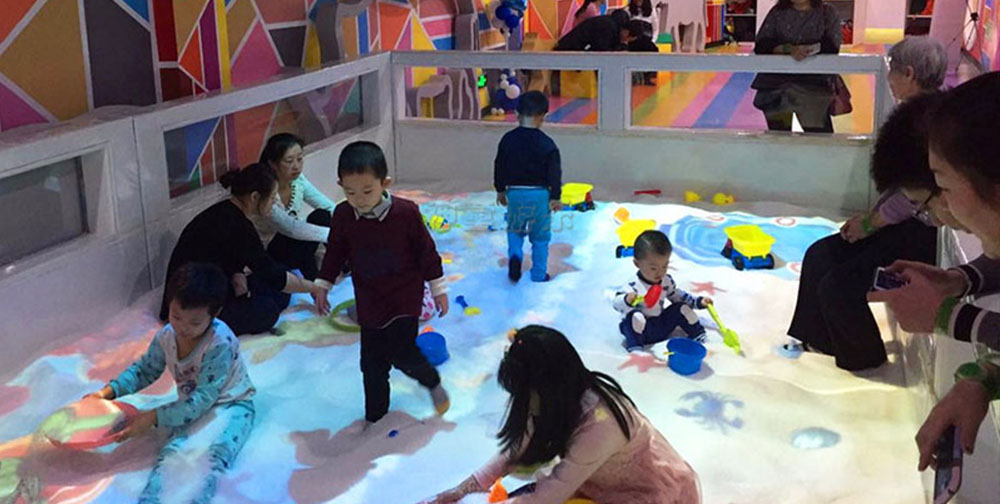
Different students learn in different ways. For kinesthetic learners—those who grasp concepts better through movement—interactive floor projector games are ideal. They can physically interact with shapes, letters, or environments, reinforcing cognitive connections through muscle memory.
Likewise, visual learners benefit from rich imagery and spatial relationships made possible through interactive projection mapping. Bright colors, animations, and dynamic transitions help in making abstract concepts more tangible and easier to grasp.
By combining visual and motion-based inputs, interactive projection mapping games cater to multiple learning styles simultaneously, creating a more inclusive learning environment.
Benefit 4 – Real-Time Feedback and Gamified Assessment
One major advantage of interactive projection technology is its ability to provide instant feedback. As students interact with the games, they immediately see whether their answers are correct or if a different approach is needed.
This gamified assessment encourages experimentation and problem-solving without the fear of failure. Scoring systems, timers, and reward animations drive motivation and make learning outcomes more measurable.
Teachers, too, benefit from built-in analytics—tracking participation, accuracy, and time spent on each task—to better adapt instruction to individual learning needs.
Benefit 5 – Easy Integration into Lesson Plans
The flexibility of interactive projection mapping allows it to be applied across subjects—math, science, language arts, and even physical education. Most systems come with a content library that can be tailored by age group, skill level, and curriculum goals.
Teachers can select from pre-designed activities or create custom games that match specific topics. For example:
- Spelling challenges in English lessons.
- Interactive animal habitats in science.
- Map quizzes in geography.
Because of its adaptability and ease of use, interactive projection mapping saves preparation time while adding value to daily lessons.
Why More Schools Are Investing in Interactive Projector Games
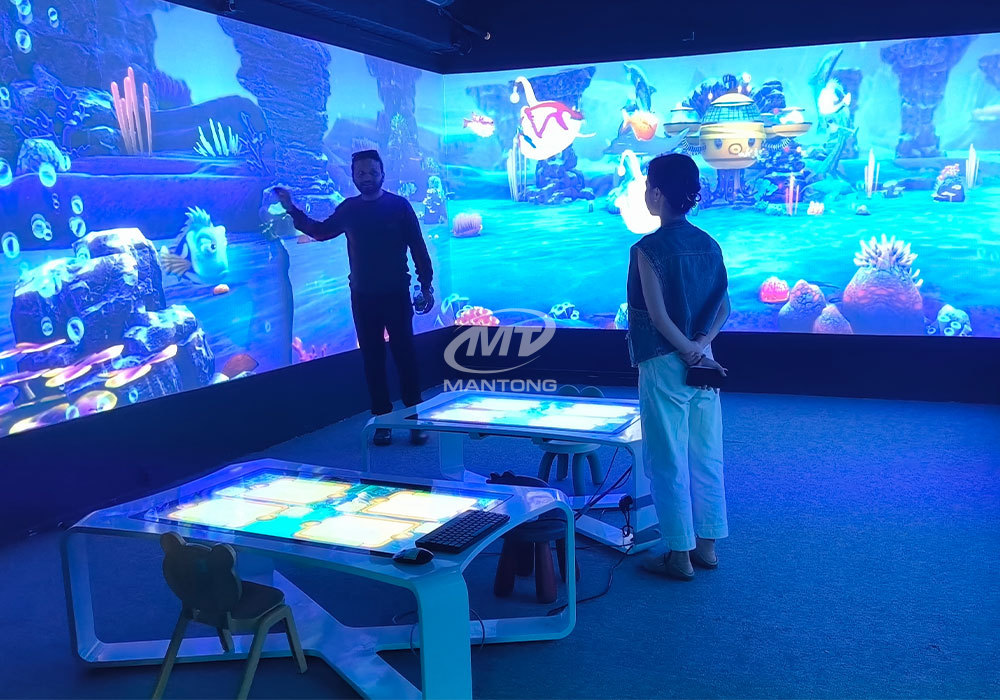
The educational benefits of interactive projection mapping are backed by increasing adoption worldwide. Schools are recognizing that the combination of physical activity, gamified learning, and collaborative play aligns with 21st-century education standards.
Moreover, advancements in interactive projection technology have made systems more affordable, compact, and easier to install. With content that evolves alongside curriculum trends, they’re a future-proof investment in better classroom outcomes.
When schools ask us for recommendations on the best interactive projection solutions, we always emphasize long-term usability, content versatility, and service support—qualities that define top providers in the space.
Conclusion
Interactive projector games bring classrooms to life. They promote movement, interaction, and creativity—making learning not only effective but joyful. As an education technology expert, I see these systems not as novelties, but as essential tools for tomorrow’s classrooms.
If you're looking for a reliable provider of interactive floor projection and interactive projection mapping systems, consider exploring the solutions offered by Mantong—a trusted name in immersive educational entertainment. Their quality, innovation, and service are helping educators worldwide reimagine the way learning happens.
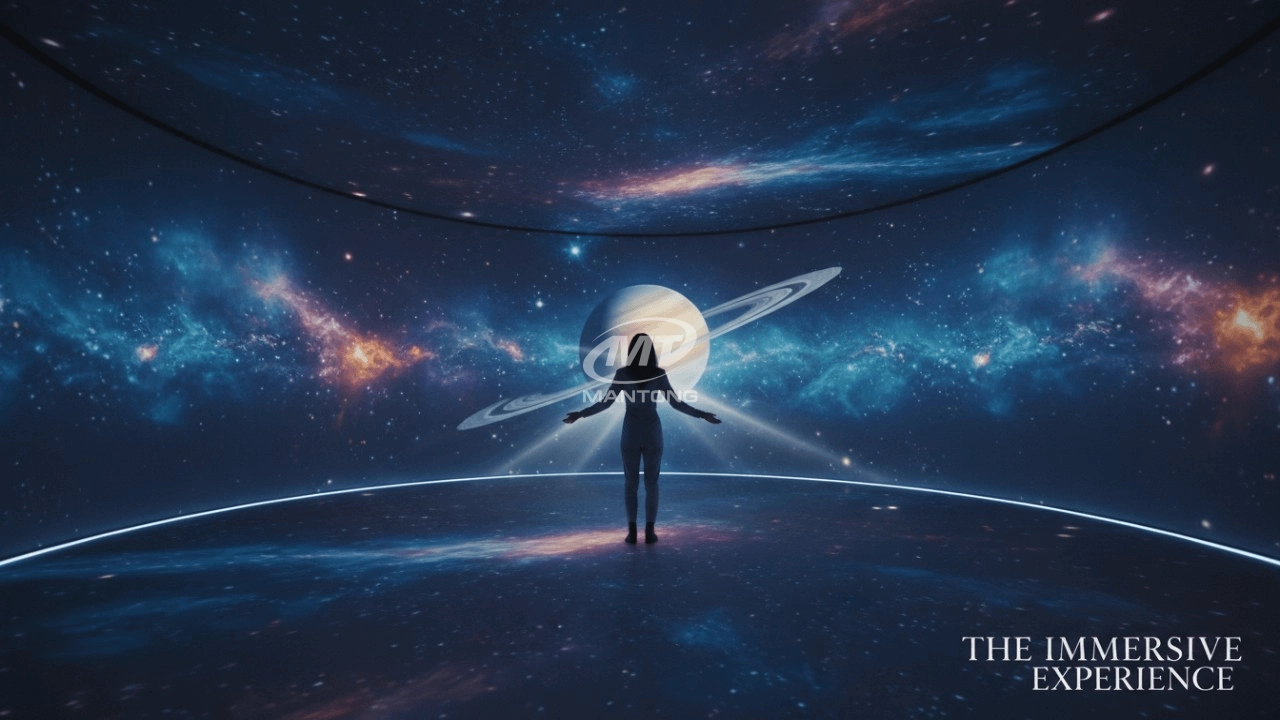


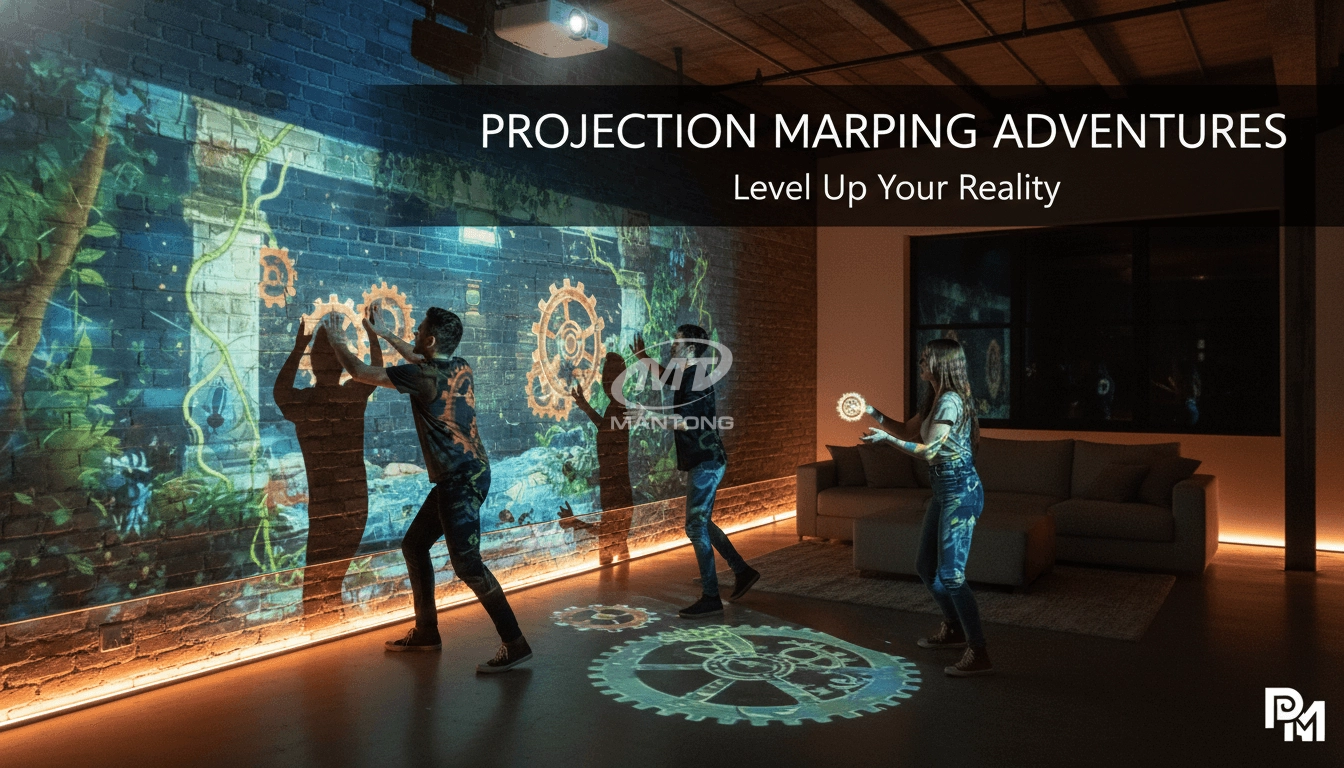
One-Stop Projection Solution Provider Since 2011
Are you trader or manufacturer ?
We are direct manufacturer who specialize in providing one-stop solution for different outdoor & indoor projection project with our stable software and qualified projectors
What about the wall/floor material for the projection?
It’s recommended to choose a light-colored material with minimal reflectivity—pure white or light grey works best. the
common material is cement & plaster board
For optimal projection results, the surface should be free of any patterns or textures, as the projector will display content
directly onto it.
There are no specific material requirements; you may use any commonly available material in your local market, as long as it
meets the above conditions.
What information do you need to know before making the proposal/solution?
We know that everyone wants to know the price, but the price of our products is determined by many factors since most of our products are custom, so no ready price list. In order to fast understand what you need, can you send us an inquiry like this?
For example: I am really interested in your immersive projection products, we are a company in the USA and want to install some in my restaurant. It is about 50 meters long, and 5m in width. Projection size you can decide but the length should be not less than 20 meters. We want some content about SeaWorld because our place is all about the sea. Thank you.
What's the application of Immersive projection ?
It can be used in various venues, such as art exhibition, entertainment venues, educational institution, Wedding hall /Banquet/Bar,Yoga Studio and so on. It often involves advanced projection techniques, multimedia content, and interactive elements to engage and captivate the audience's senses.
How to Write an Interactive-Effect Video Customisation Script ?
① Project Background: Briefly introduce the context in which this interactive scene will be used (e.g., exhibition, museum,
event space, children's area). Example: This scene is part of the “Underwater World” zone in a children's science museum,
designed to be engaging and exploratory.
②Visual Style / Atmosphere: What kind of visual mood are you aiming for? Please describe the color scheme, style, and any
references. it should focus solely on describing the visual aspects of the scene, supported by relevant charts or reference
images.
③ Interaction Points Overview:List each interactive hotspot along with the effect you'd like to trigger when the user
touches or clicks the area. example: when player touch the clownfish, it will swims away with bubble trail (animation effect)
and produce the bubble sound ( sound effect requirement )
④ Static Visual Reference:including but not limited to background image/video, a list of major visual elements (e.g., coral,
rocks, seaweed, fish), which elements should be interactive?
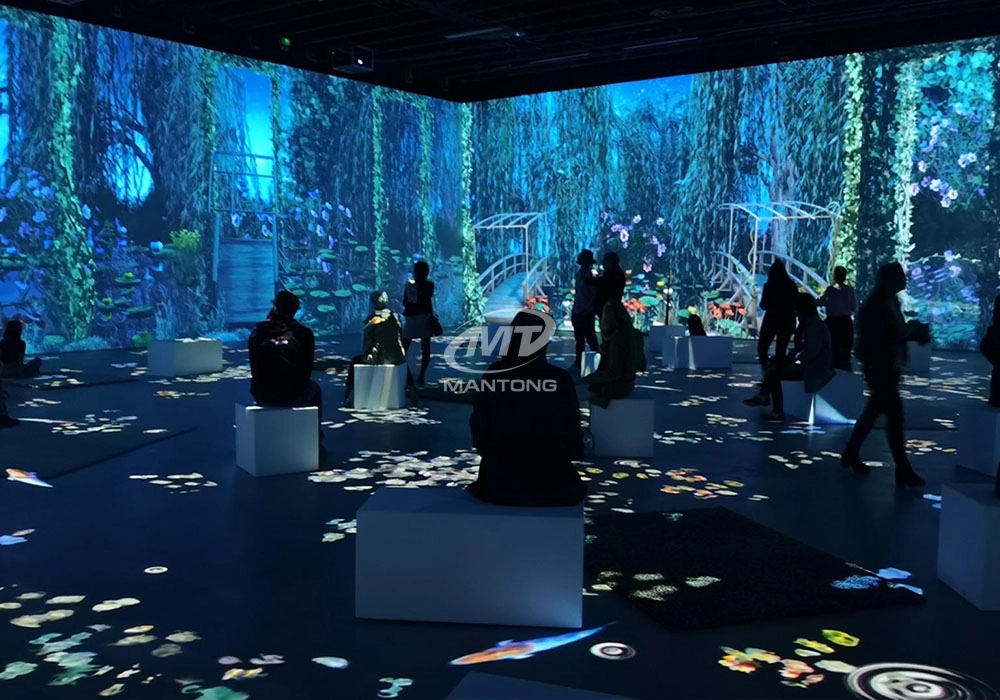
Transform any space with Mantong's immersive projection mapping systems. Our high-lumen projectors (up to 6500 LM) and custom software create captivating interactive experiences for floors and walls. Ideal for museums, events, retail, and hospitality. Each kit includes professional ceiling mounting and 80+ pre-loaded video contents and is backed by a 12-month warranty and CE certification. We offer full customization and support to bring your vision to life.
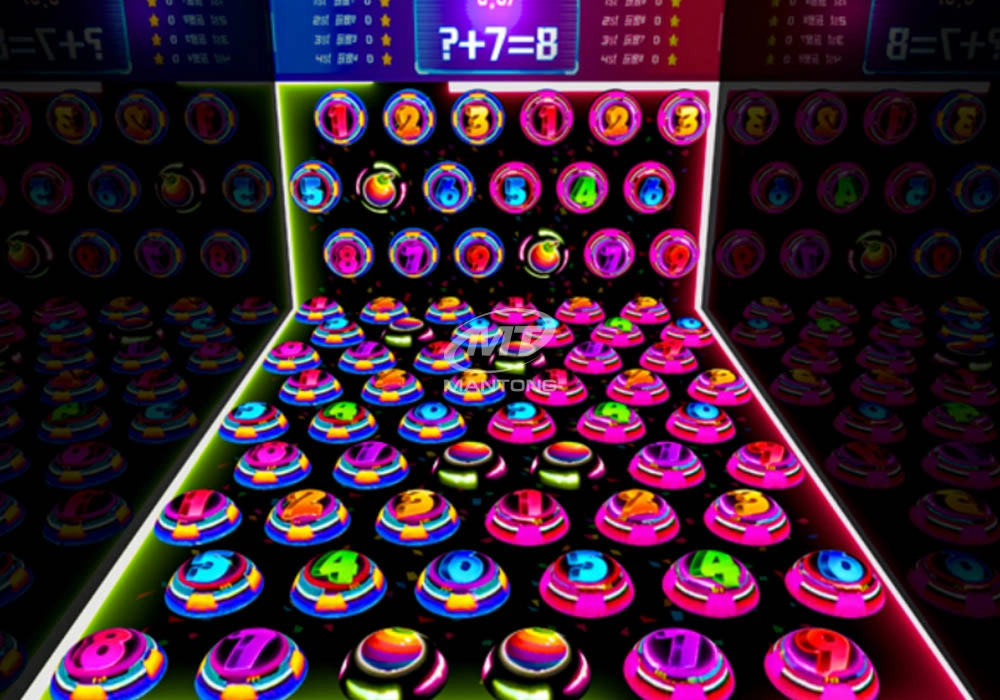
Rapidly Rotating Bouncing Sphere is an interactive space where participants jump on rotating spheres. As they step on it, the spheres surface will show special interactivity
Jumping on spheres of the same color in succession causes them to pop, releasing light particles. The more consecutive jumps, the greater the reward—caterpillars appear, and eventually, all spheres of that color burst, filling the space with light and even more caterpillars.
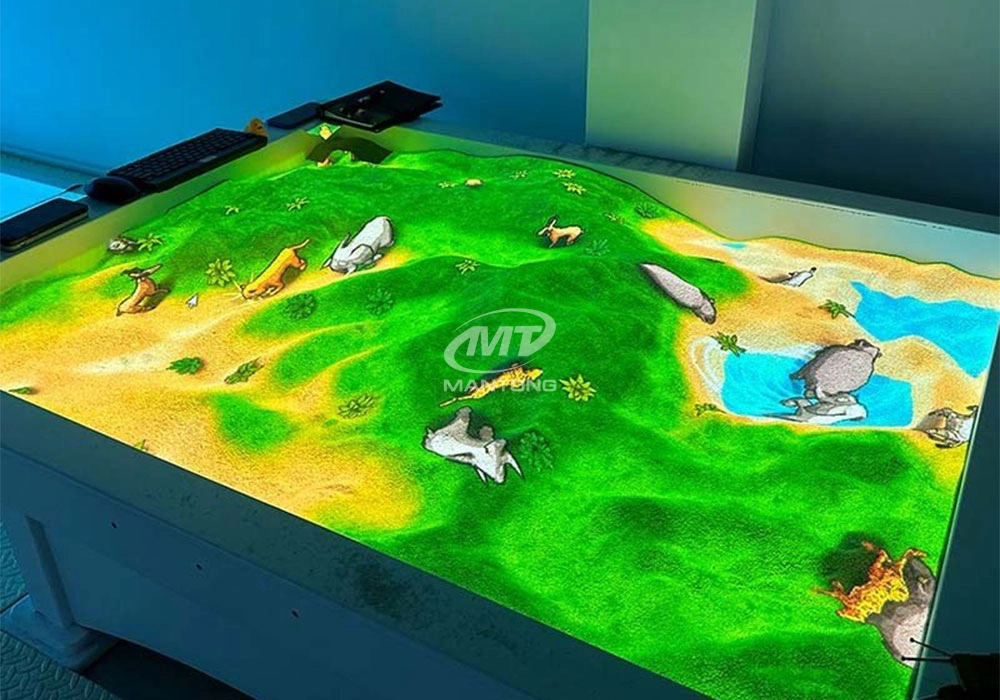
Bring imagination to life with interactive sandbox projection mapping games designed for kids’ play parks. Using cutting-edge projection technology and real-time motion sensing, children can dig, build, and explore virtual worlds directly in the sand. Educational, engaging, and endlessly fun — it’s the perfect blend of play and learning.
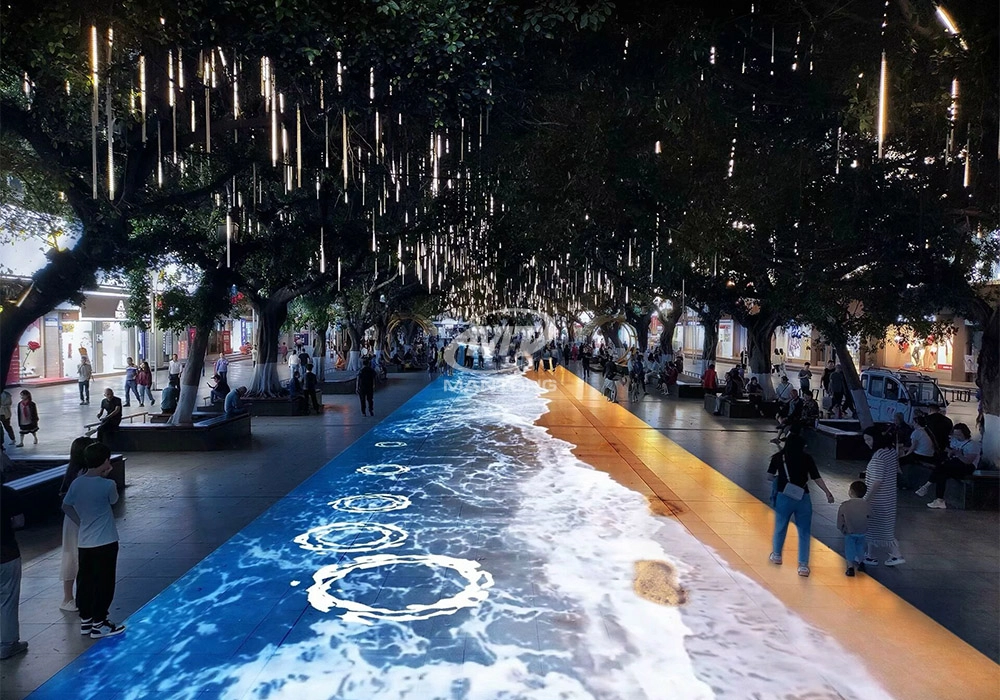
Combining projection mapping with 3D interactive ground projection technology brings an unprecedented immersive experience to outdoor scenes.
Contact Us to Start Your Interactive Projection Journey
Contact us now to discuss how to create innovative projection solutions for your space.

Kaida Business Center, Shixin Road, Panyu District,Guangzhou City, Guangdong Province, China.
ManTong
ManTong
ManTong