
What are typical installation costs for interactive floor projection? | Insights by Mantong
- What Are Typical Installation Costs for Interactive Floor Projection?
- What Factors Influence the Installation Cost of Interactive Floor Projections?
- How Long Does Installation Usually Take?
- What Are the Ongoing Maintenance Costs of Interactive Floor Projection Systems?
- What Are the Key Benefits That Justify the Installation Costs?
- Are There Any Trends in Technology That Could Impact Future Costs?
What Are Typical Installation Costs for Interactive Floor Projection?
Interactive floor projection systems combine projectors, motion sensors, and computer software to create immersive experiences on floors. Installation costs can vary significantly based on the setup's scale, technology, and project complexity. According to recent market research and vendor quotes:
- Basic systems with a single projector and sensor start around $10,000 to $20,000, including hardware and software.
- Mid-range installations featuring multiple projectors and advanced sensors typically cost $25,000 to $50,000.
- Large-scale or customized systems (e.g., malls, museums, entertainment venues) can exceed $75,000 to $150,000+, factoring in professional design, longer setup, and integration with other technologies.
Additional costs include installation labor, system calibration, and potential structural modifications to the venue.
What Factors Influence the Installation Cost of Interactive Floor Projections?
Costs depend on several critical factors:
- Projection area size: Larger floors require multiple or higher-powered projectors.
- Type of sensors: Infrared motion sensors vs. camera-based systems differ in cost and accuracy.
- Software customization: Tailored interactive content can raise expenses.
- Installation complexity: Mounting projectors, wiring, and environment adjustments affect labor costs.
- Maintenance and warranty: Longer support contracts impact total cost of ownership.
How Long Does Installation Usually Take?
Installation timelines vary by project scale:
- Small setups can take 1-3 days, including testing and calibration.
- Medium to large projects often require 1-2 weeks, depending on hardware integration and software adjustments.
- Customized projects with complex content design and venue modifications may need several weeks.
What Are the Ongoing Maintenance Costs of Interactive Floor Projection Systems?
Maintenance costs typically include:
- Software updates: Vendor subscription or occasional license renewals, averaging $500-$2,000/year.
- Hardware upkeep: Lamp or LED projector parts replacement every 2-4 years, costing $500-$2,500 each.
- Calibration and technical support, which might require annual service contracts costing $1,000-$5,000 depending on complexity.
Regular maintenance is recommended to ensure system responsiveness and longevity.
What Are the Key Benefits That Justify the Installation Costs?
Despite notable costs, interactive floor projection systems offer:
- Enhanced customer engagement and dwell time in commercial spaces.
- Unique marketing and branding opportunities with customizable interactive content.
- Versatile applications across retail, education, museums, events, and healthcare.
- Potential for increased revenue by attracting visitors and enhancing experiences.
- Modern and innovative ambiance, supporting digital transformation initiatives.
Are There Any Trends in Technology That Could Impact Future Costs?
Current trends influencing future costs include:
- Advances in projector technology: Laser projectors offer longer lifespans and lower maintenance compared to traditional lamps, potentially reducing costs over time.
- AI-based motion detection and analytics: These improve interactivity accuracy but may raise initial software expenses.
- Modular and scalable systems: Allow phased installation to spread costs.
- Cloud-based software updates: Facilitate faster content deployment and remote management.
Staying informed about these trends helps buyers optimize long-term investments.
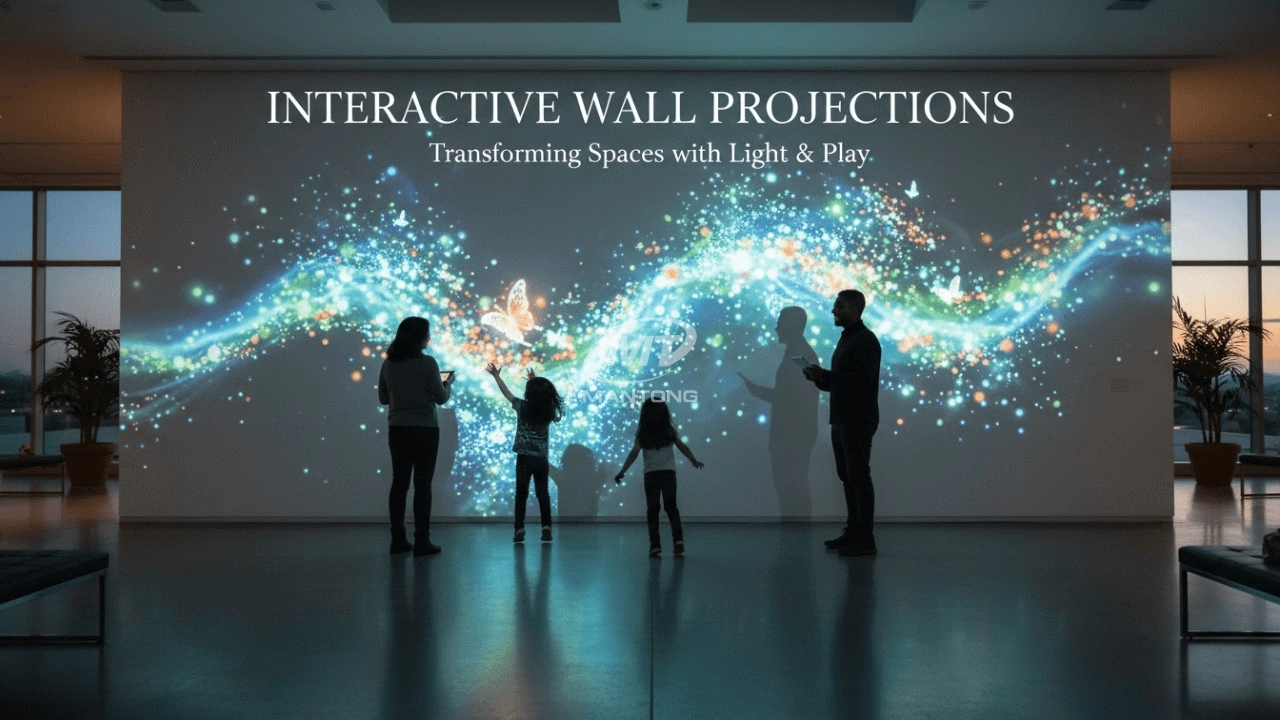
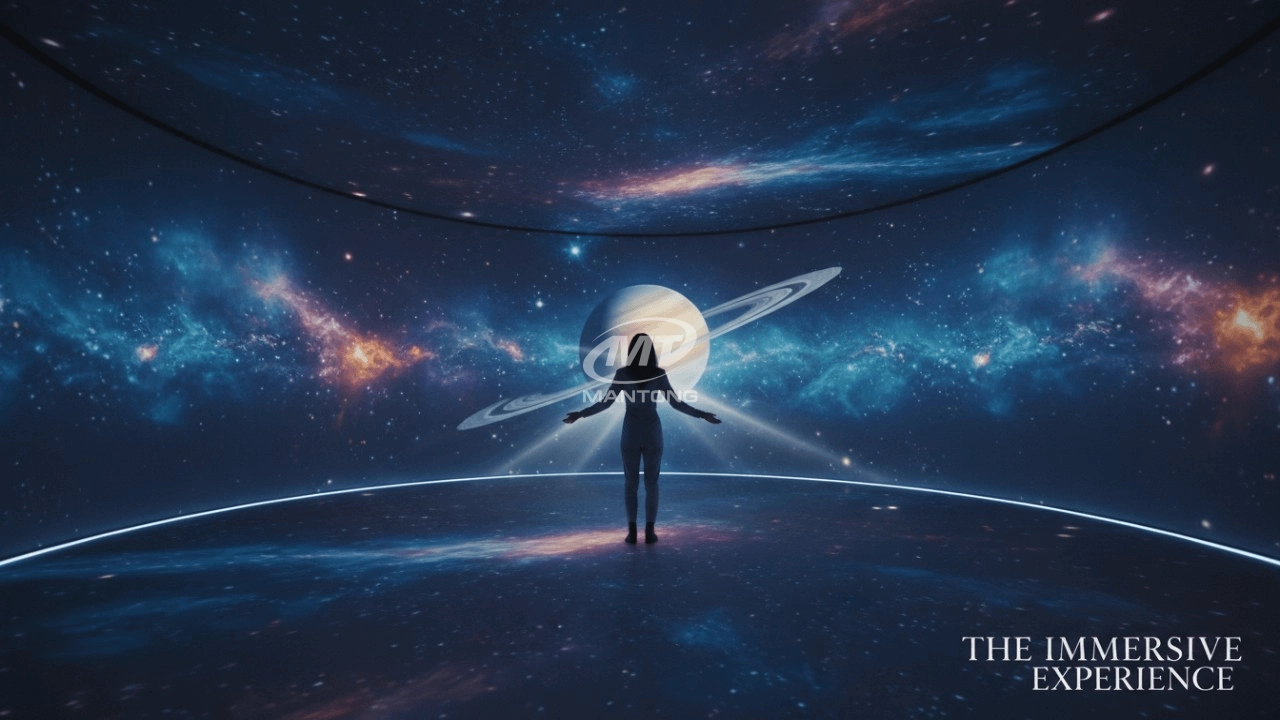


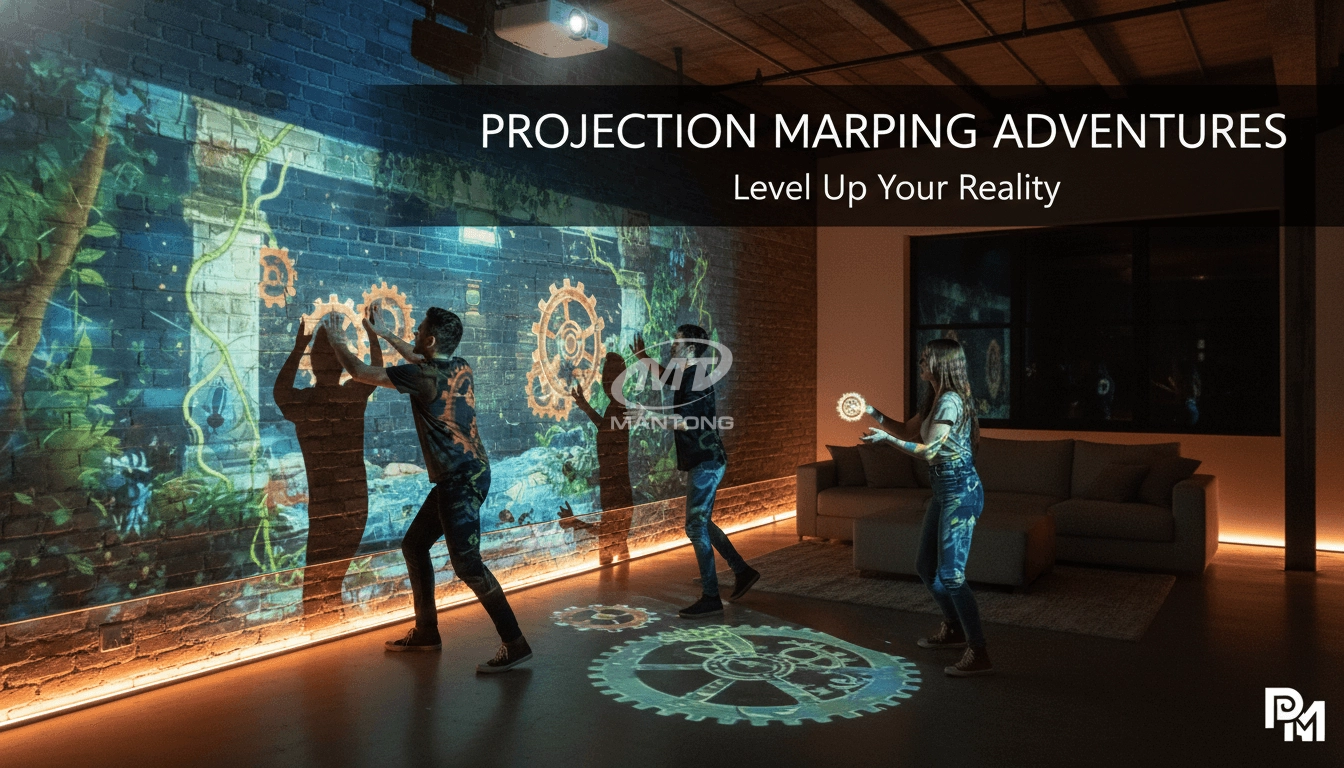
One-Stop Projection Solution Provider Since 2011
How to install the projection equipment ?
1) Install the projector in a suitable position. We will provide you with a hanger, which you need to fix on the ceiling with
screws.
2) Connect projectors, computers and other accessories through wires.
3) After completing the above 2 steps, we will carry out the edge blending steps. Our team can complete it through remote
control.
In general, installation instructions for each project need to be specified on a project-by-project basis. The above is for
reference only.
What about the wall/floor material for the projection?
It’s recommended to choose a light-colored material with minimal reflectivity—pure white or light grey works best. the
common material is cement & plaster board
For optimal projection results, the surface should be free of any patterns or textures, as the projector will display content
directly onto it.
There are no specific material requirements; you may use any commonly available material in your local market, as long as it
meets the above conditions.
What information do you need to know before making the proposal/solution?
We know that everyone wants to know the price, but the price of our products is determined by many factors since most of our products are custom, so no ready price list. In order to fast understand what you need, can you send us an inquiry like this?
For example: I am really interested in your immersive projection products, we are a company in the USA and want to install some in my restaurant. It is about 50 meters long, and 5m in width. Projection size you can decide but the length should be not less than 20 meters. We want some content about SeaWorld because our place is all about the sea. Thank you.
How to Write an Interactive-Effect Video Customisation Script ?
① Project Background: Briefly introduce the context in which this interactive scene will be used (e.g., exhibition, museum,
event space, children's area). Example: This scene is part of the “Underwater World” zone in a children's science museum,
designed to be engaging and exploratory.
②Visual Style / Atmosphere: What kind of visual mood are you aiming for? Please describe the color scheme, style, and any
references. it should focus solely on describing the visual aspects of the scene, supported by relevant charts or reference
images.
③ Interaction Points Overview:List each interactive hotspot along with the effect you'd like to trigger when the user
touches or clicks the area. example: when player touch the clownfish, it will swims away with bubble trail (animation effect)
and produce the bubble sound ( sound effect requirement )
④ Static Visual Reference:including but not limited to background image/video, a list of major visual elements (e.g., coral,
rocks, seaweed, fish), which elements should be interactive?
What's the application of Immersive projection ?
It can be used in various venues, such as art exhibition, entertainment venues, educational institution, Wedding hall /Banquet/Bar,Yoga Studio and so on. It often involves advanced projection techniques, multimedia content, and interactive elements to engage and captivate the audience's senses.
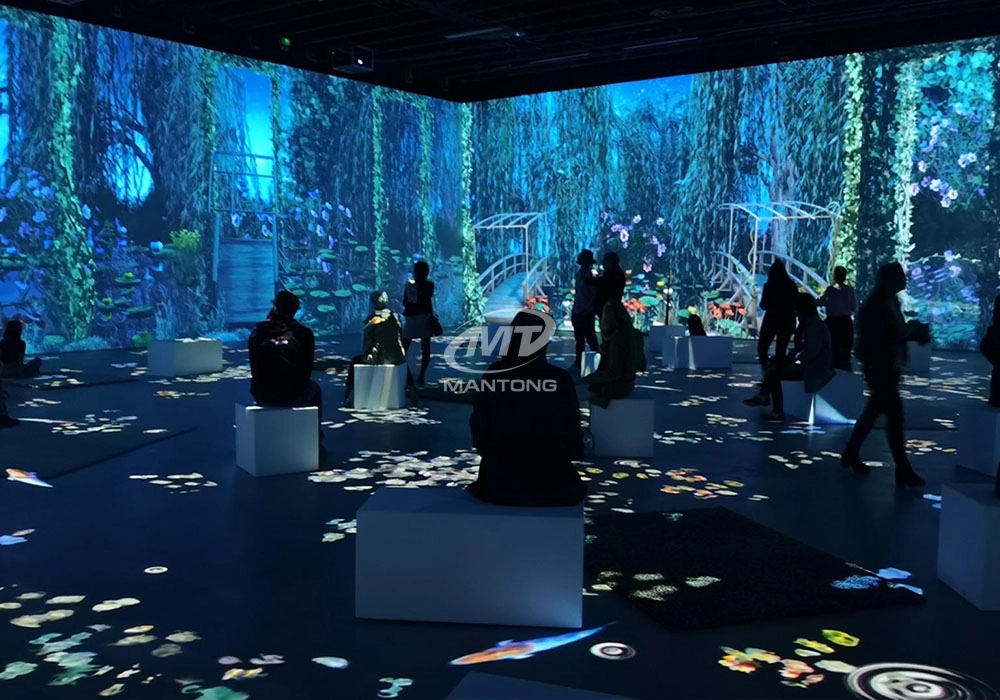
Transform any space with Mantong's immersive projection mapping systems. Our high-lumen projectors (up to 6500 LM) and custom software create captivating interactive experiences for floors and walls. Ideal for museums, events, retail, and hospitality. Each kit includes professional ceiling mounting and 80+ pre-loaded video contents and is backed by a 12-month warranty and CE certification. We offer full customization and support to bring your vision to life.
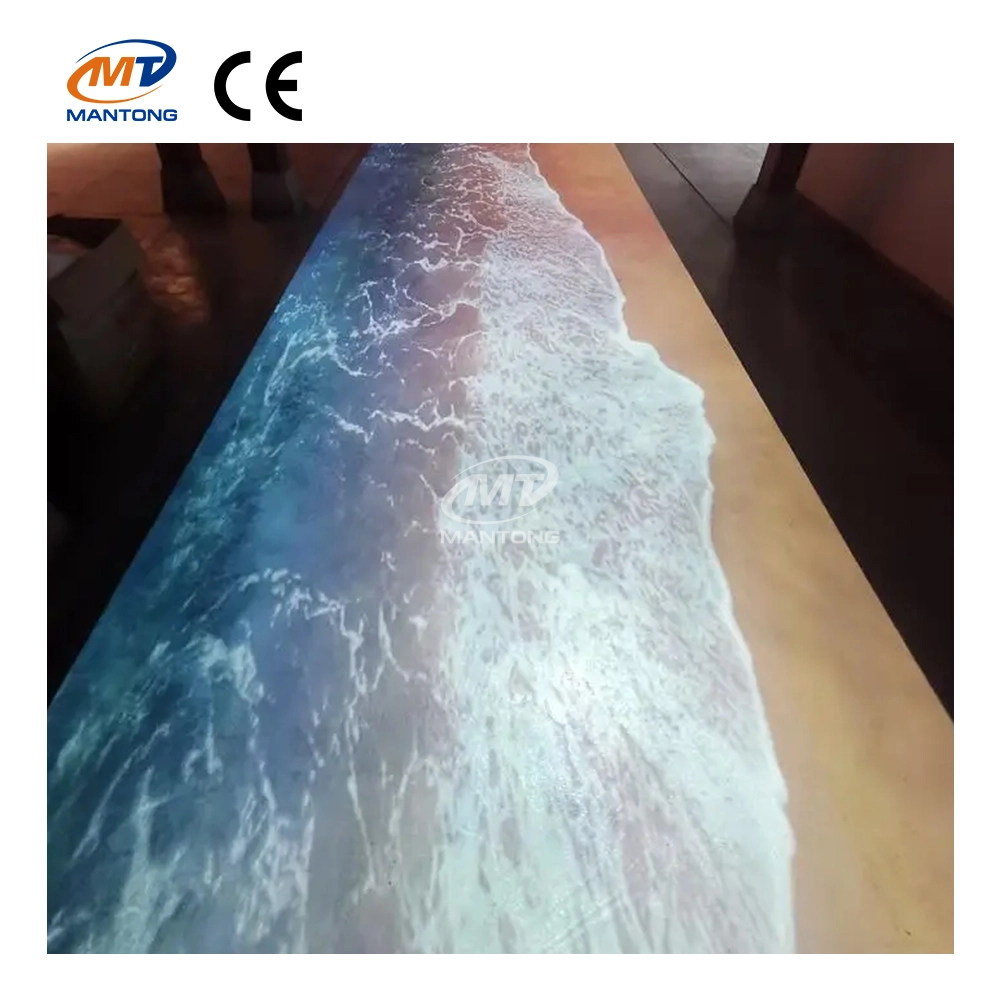
Indoor interactive floor projections display dynamic themed videos on the floor, commonly used in venues aiming to enhance brand influence or attract foot traffic, such as restaurants, hotel corridors, and brand car retail stores.
By using projectors and compatible software, the interactive content is projected onto the floor, encouraging engagement between people and the projected visuals. A single 5500-lumen indoor floor projector can cover an area of 5 m × 3 m. Typically, each project will use at least 3 units to ensure broad coverage and optimal visual effects.
We also offer customized design and installation support to enhance the interactive experience for your venue.
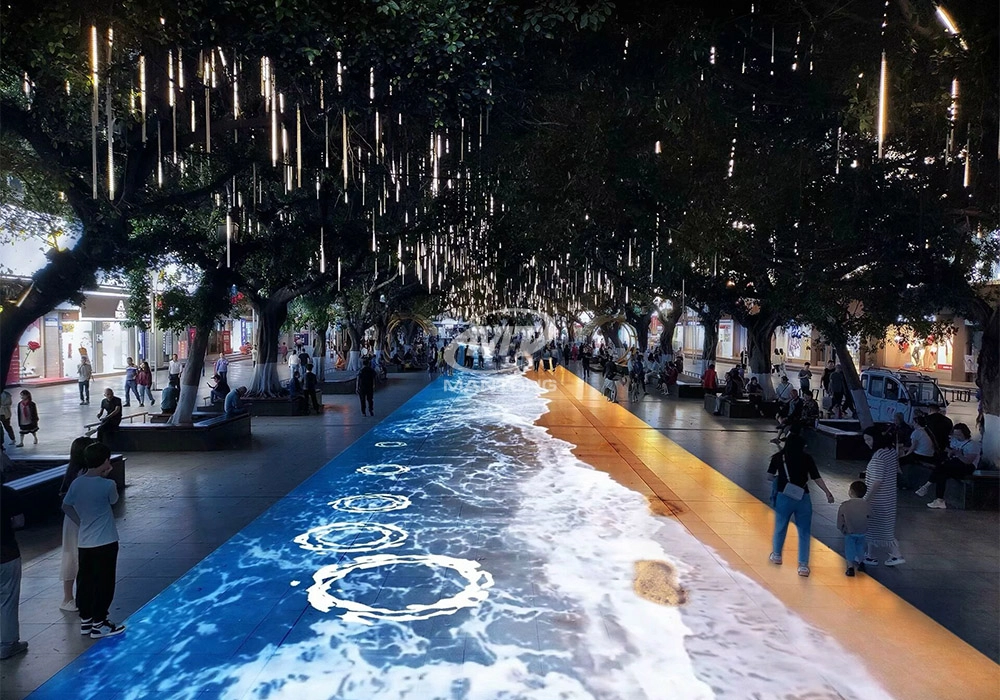
Combining projection mapping with 3D interactive ground projection technology brings an unprecedented immersive experience to outdoor scenes.
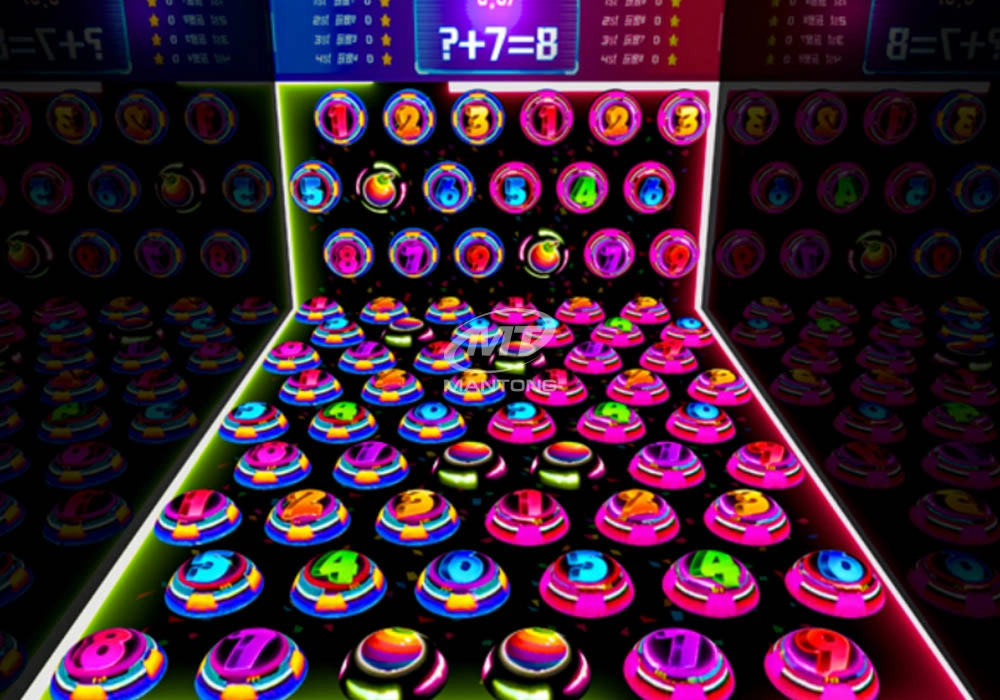
Rapidly Rotating Bouncing Sphere is an interactive space where participants jump on rotating spheres. As they step on it, the spheres surface will show special interactivity
Jumping on spheres of the same color in succession causes them to pop, releasing light particles. The more consecutive jumps, the greater the reward—caterpillars appear, and eventually, all spheres of that color burst, filling the space with light and even more caterpillars.
Contact Us to Start Your Interactive Projection Journey
Contact us now to discuss how to create innovative projection solutions for your space.

Kaida Business Center, Shixin Road, Panyu District,Guangzhou City, Guangdong Province, China.
ManTong
ManTong
ManTong