
Immersive Projection Room Cost: Your Ultimate 2026 Guide to Budgeting & Building
A comprehensive skyscraper guide detailing the costs associated with building immersive projection rooms in 2026. Covers hardware tiers, content creation pricing, hidden operational expenses, and ROI analysis.
- Introduction
- What is an Immersive Projection Room?
- Applications and Use Cases
- The Core Cost Drivers of an Immersive Projection Room
- Immersive Projection Room Cost Breakdown by Component
- 1. Projectors: The Light Engines
- 2. Media Servers & Playback Systems
- 3. Projection Surfaces & Environment
- How Much Does Immersive Content Creation Cost?
- Budgeting for Different Immersive Projection Room Tiers (Case Studies)
- Tier 1: The Pop-Up / Educational Space
- Tier 2: The Corporate / Retail Experience
- Tier 3: The Museum / Attraction Masterpiece
- Beyond Installation: Long-Term Costs and ROI
- 1. Maintenance & Energy
- 2. Software Licensing
- 3. Content Refresh
- Choosing Your Immersive Projection Partner: Tips for Success
- Future Trends Influencing Immersive Projection Costs (2026 & Beyond)
Introduction
Imagine stepping into a room where the walls dissolve and are replaced by a 360-degree digital jungle, bustling futuristic cityscape, or responsive abstract art installation. This is the power of an immersive projection room, a technology that has evolved from being used only in niche art exhibits to becoming a powerful tool for retail, education, and corporate branding. However, for organizations planning to integrate this technology, the primary question remains: What is the cost of an immersive projection room?
As we approach 2026, the market for immersive experiences is maturing and moving beyond novelty to become standard in high-engagement environments. Yet, budgeting for these spaces is notoriously complex. Prices can range from a modest five-figure investment for a pop-up activation to over a million dollars for a permanent, museum-grade installation. This guide is your definitive resource, providing a granular, line-item analysis of where your budget goes. It covers everything from the price of a 360 immersive projection system to the often-overlooked expenses of content production and maintenance.
What is an Immersive Projection Room?
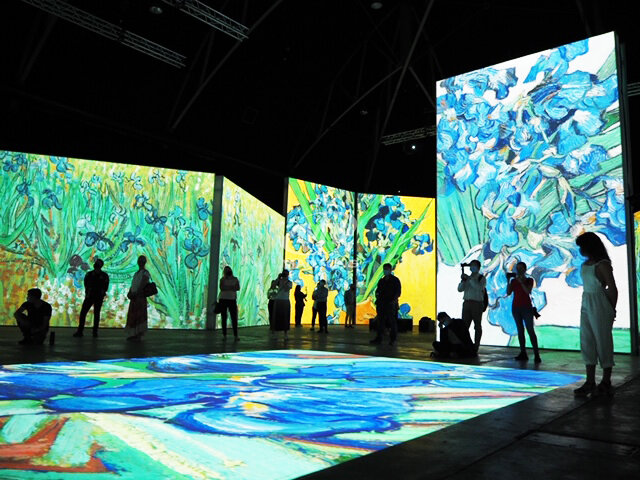
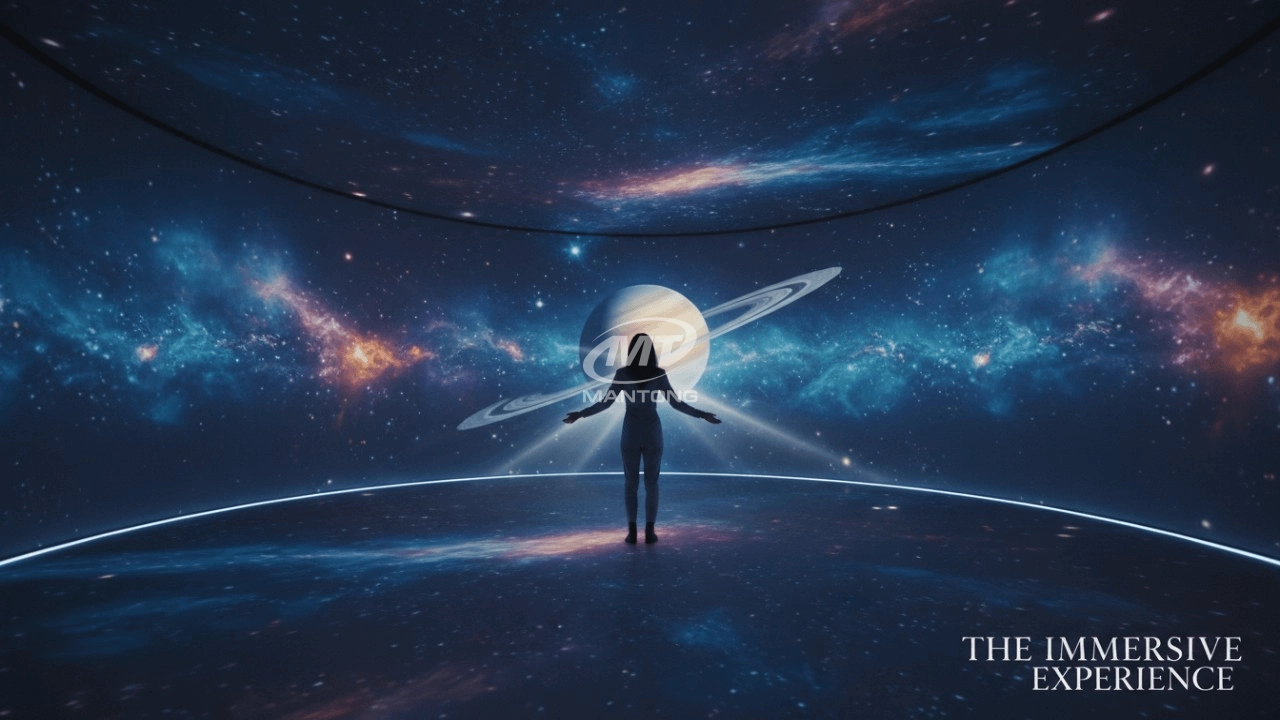
An immersive projection room is a purpose-built environment where multiple projectors work in unison to cover walls, floors, and sometimes ceilings with seamless, dynamic visuals. Unlike a standard cinema, the goal is to envelope the viewer completely, often using "projection mapping" techniques to align video content precisely with the room's geometry.
According to industry definitions, these spaces range from simple three-wall setups to complex CAVE (Cave Automatic Virtual Environment) systems used in research and high-end simulation. The effectiveness of these rooms relies on a synthesis of hardware (projectors, servers), software (warping, blending), and sensory inputs (audio, haptics) to suspend the user's disbelief.
Applications and Use Cases
· Experiential Retail: Brands using interactive projection room budgets to create "instagrammable" moments that drive foot traffic.
· Education & Simulation: Medical schools and defense contractors using 360-degree environments for realistic training.
· Digital Art Galleries: Ticketed attractions where the immersive digital art room cost is offset by high visitor throughput.
· Corporate Events: Temporary projection mapping installation cost outlays for product launches or trade shows.
The Core Cost Drivers of an Immersive Projection Room
Understanding the cost to build an immersive room requires dissecting the four main pillars of the system. A balanced budget typically allocates resources as follows:
1. Hardware (40-50%): The physical engines of the experience—projectors, lenses, mounts, and the computers that drive them.
2. Content Creation (20-40%): The most variable cost. A system is only as good as the media it plays.
3. Software & Licensing (10-15%): The digital glue—mapping software, playback engines, and interactivity licenses.
4. Installation & Environment (10-20%): Labor, cabling, HVAC, and surface preparation.
Immersive Projection Room Cost Breakdown by Component
To give you a realistic immersive environment projection expenses forecast, we must look at the specific price tags of 2026-era technology.
1. Projectors: The Light Engines
· Entry-Level Commercial ($3,000 - $8,000 per unit): These are typically 5,000–8,000 lumen laser projectors. Suitable for dimmer rooms or smaller walls. Brands like BenQ and Optoma occupy this space.
· Mid-Range Professional ($10,000 - $25,000 per unit): The standard for most immersive rooms. Expect 10,000–15,000 lumens, 4K resolution, and robust laser phosphor light sources that last 20,000 hours. Epson and Panasonic are key players here.
· High-End Venue ($30,000 - $80,000+ per unit): For massive spaces requiring 20,000+ lumens and advanced lenses. Christie and Barco provide these heavy-duty systems.
Pro Tip: Always budget for lenses. Specialized short-throw or ultra-short-throw lenses (crucial for small rooms to avoid shadows) can add $1,500 to $5,000 per projector.
2. Media Servers & Playback Systems
· Software-Based (Custom PC): A high-performance workstation (NVIDIA RTX 4090 GPUs) running software like Resolume or MadMapper. Cost: $3,000 - $6,000.
· Hardware Servers: Dedicated hardware solutions like Dataton Watchout or Disguise servers offer unparalleled stability for permanent installs but come with a premium 360 immersive projection system price. Cost: $15,000 - $80,000+.
3. Projection Surfaces & Environment
· Paint: specialized high-gain projection paint costs roughly $100 per gallon, significantly more than standard latex.
· Screens: Tensioned vinyl screens or rigid panels provide better uniformity but can cost $50 - $150 per square foot.
· Flooring: Interactive floors require matte, durable materials that won't reflect hotspot glare.
How Much Does Immersive Content Creation Cost?
This is often the "sticker shock" moment for clients. While hardware is a one-time purchase, content is an ongoing need. As stated on various production industry resources, immersive experience room cost estimates must factor in per-minute production rates.
· Stock/Template Content: Simple loops, abstracts, or licensed scenery. $500 - $2,000 per minute.
· Custom 3D Animation: Bespoke narratives, character animation, or photorealistic environments. $2,000 - $10,000+ per minute.
· Interactive/Generative: Content that reacts to touch or movement (using game engines like Unity or Unreal Engine). This is priced by development complexity, often $20,000 - $50,000+ per project.
Budgeting for Different Immersive Projection Room Tiers (Case Studies)
To help you visualize the multi-sensory projection room pricing, here are three hypothetical scenarios based on 2026 market rates.
Tier 1: The Pop-Up / Educational Space
· Total Budget: $30,000 - $60,000
· Setup: 3-4 mid-range laser projectors (6,000 lumens) projecting on painted walls.
· Software: Resolume Arena or MadMapper on a custom gaming PC.
· Content: Mostly stock footage with minor branding customization.
· Best For: Schools, small retail activations, temporary art pop-ups.
Tier 2: The Corporate / Retail Experience
· Total Budget: $120,000 - $350,000
· Setup: 6-8 professional projectors (10,000 lumens) with short-throw lenses for a shadow-free 360° view.
· Audio: 5.1 Surround Sound system.
· Interactivity: LiDAR sensors for wall interaction.
· Content: 5 minutes of custom 3D brand storytelling.
· Best For: Flagship retail stores, corporate lobbies, executive briefing centers.
Tier 3: The Museum / Attraction Masterpiece
· Total Budget: $500,000 - $1,500,000+
· Setup: 12+ High-venue projectors (20,000 lumens), redundant media servers (e.g., Disguise), acoustically treated room construction.
· Content: 15-20 minutes of cinematic-grade CGI content + generative interactive modes.
· Maintenance: Service Level Agreement (SLA) included.
· Best For: Ticketed immersive art venues, theme parks, national museums.
Beyond Installation: Long-Term Costs and ROI
Building the room is just the beginning. To calculate a true projection room ROI, you must account for Operational Expenditure (OpEx).
1. Maintenance & Energy
While laser projectors eliminate the need for frequent bulb changes (a huge saving compared to older lamp models), they still consume significant power. A rack of ten 10,000-lumen projectors can draw as much power as a small residential home. Additionally, as noted in financial modeling reports, facility upkeep (cleaning, filter checks) can run $2,000+ monthly for larger venues.
2. Software Licensing
Professional software often moves to subscription models. Plan for $1,000 - $5,000 annually for software updates and support contracts to keep your system compatible with new media formats.
3. Content Refresh
An immersive room with stale content loses its appeal. Retail spaces may need quarterly updates (seasonal campaigns), while museums might refresh exhibits annually. Budgeting 15-20% of the initial content cost per year for updates is a prudent strategy.
Choosing Your Immersive Projection Partner: Tips for Success
1. Look for "Integrators," Not Just "Sellers": You need a partner who understands the physics of light, not just someone selling boxes. Ask about their experience with "edge blending" and "geometric correction."
2. Request a Mock-Up: For high-budget projects, demand a visualization or a small-scale proof of concept. This ensures the cost to build an immersive room yields the visual impact you expect.
3. Define the "Pixel Pitch" Equivalent: In projection, this is "pixels per inch" on the wall. Ensure the proposed resolution (WUXGA vs 4K) matches the viewing distance of your audience.
Future Trends Influencing Immersive Projection Costs (2026 & Beyond)
· AI-Generated Content: The rise of generative AI video tools is beginning to lower the barrier for custom content, potentially reducing the immersive digital art room cost by automating background and texture creation.
· Compact Laser Optics: Projectors are getting smaller and quieter. This reduces the need for expensive


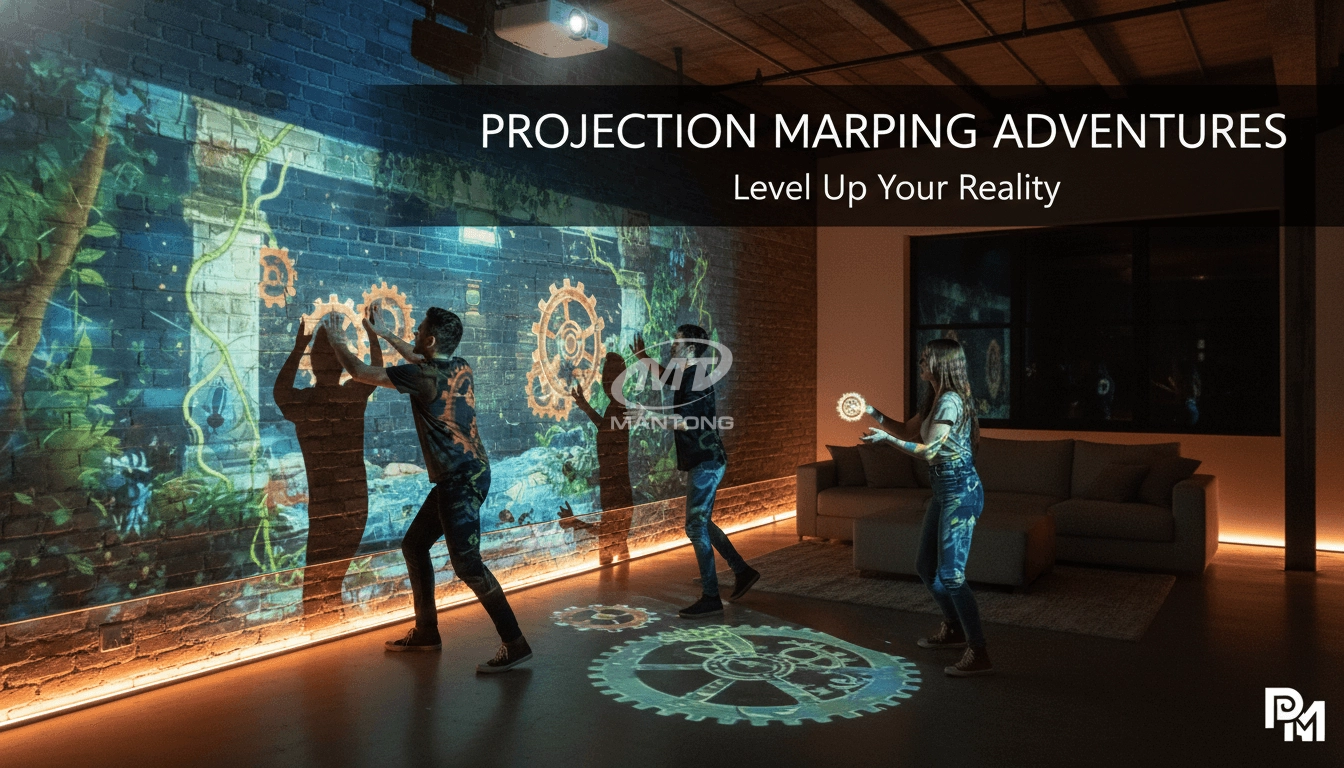
One-Stop Projection Solution Provider Since 2011
How to install the projection equipment ?
1) Install the projector in a suitable position. We will provide you with a hanger, which you need to fix on the ceiling with
screws.
2) Connect projectors, computers and other accessories through wires.
3) After completing the above 2 steps, we will carry out the edge blending steps. Our team can complete it through remote
control.
In general, installation instructions for each project need to be specified on a project-by-project basis. The above is for
reference only.
What's the application of Immersive projection ?
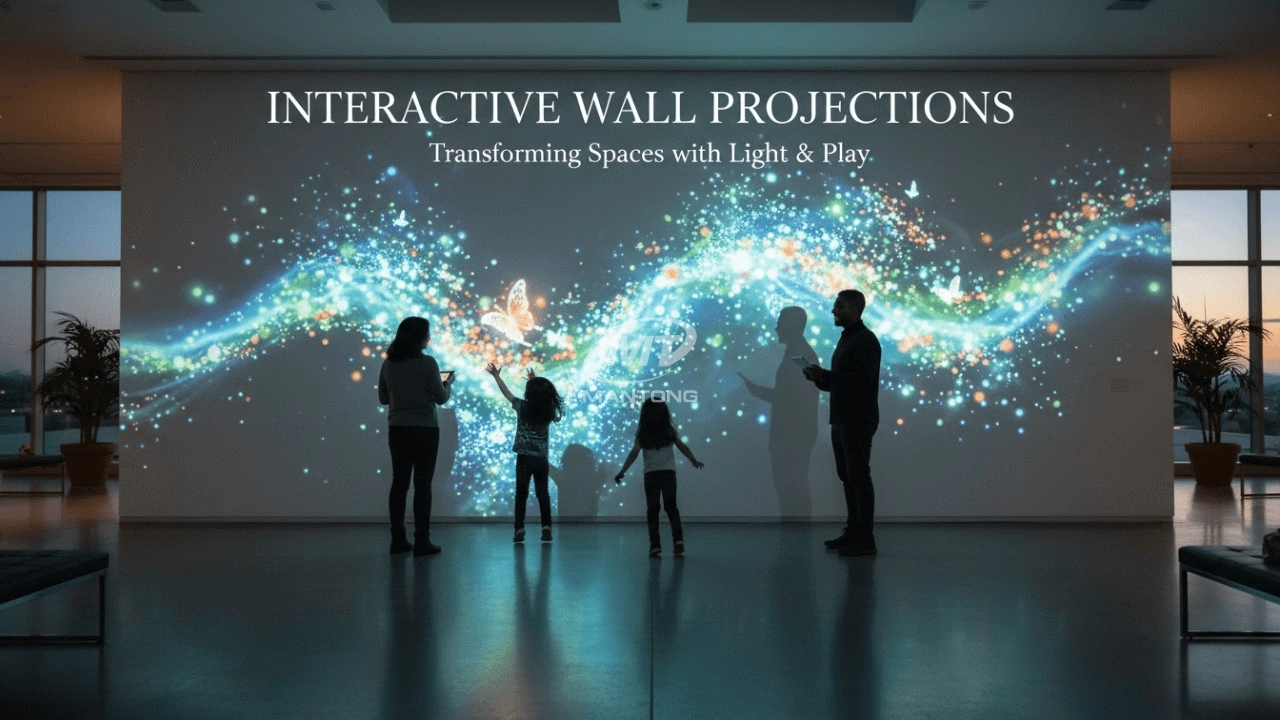
It can be used in various venues, such as art exhibition, entertainment venues, educational institution, Wedding hall /Banquet/Bar,Yoga Studio and so on. It often involves advanced projection techniques, multimedia content, and interactive elements to engage and captivate the audience's senses.
What about the wall/floor material for the projection?
It’s recommended to choose a light-colored material with minimal reflectivity—pure white or light grey works best. the
common material is cement & plaster board
For optimal projection results, the surface should be free of any patterns or textures, as the projector will display content
directly onto it.
There are no specific material requirements; you may use any commonly available material in your local market, as long as it
meets the above conditions.
What information do you need to know before making the proposal/solution?
We know that everyone wants to know the price, but the price of our products is determined by many factors since most of our products are custom, so no ready price list. In order to fast understand what you need, can you send us an inquiry like this?
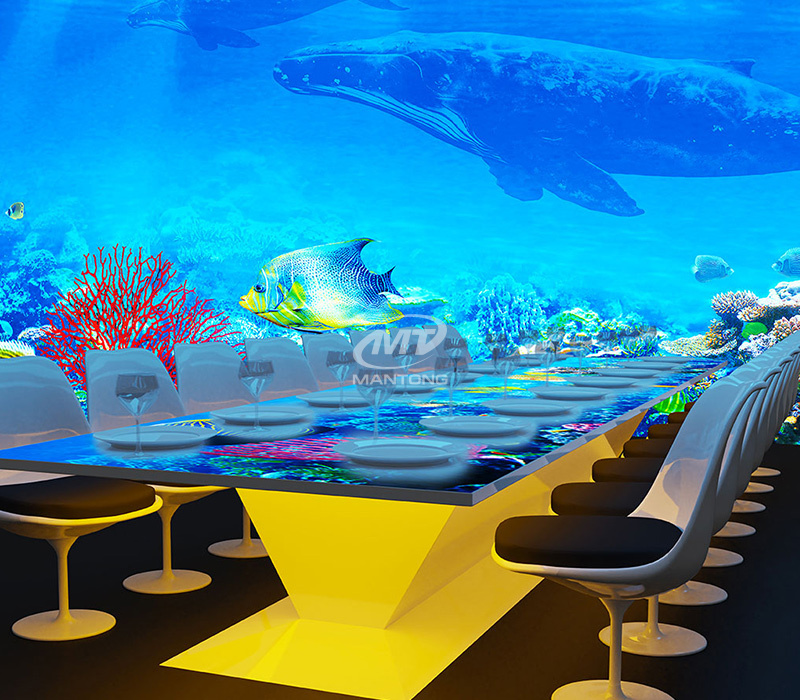
For example: I am really interested in your immersive projection products, we are a company in the USA and want to install some in my restaurant. It is about 50 meters long, and 5m in width. Projection size you can decide but the length should be not less than 20 meters. We want some content about SeaWorld because our place is all about the sea. Thank you.
Are you trader or manufacturer ?
We are direct manufacturer who specialize in providing one-stop solution for different outdoor & indoor projection project with our stable software and qualified projectors
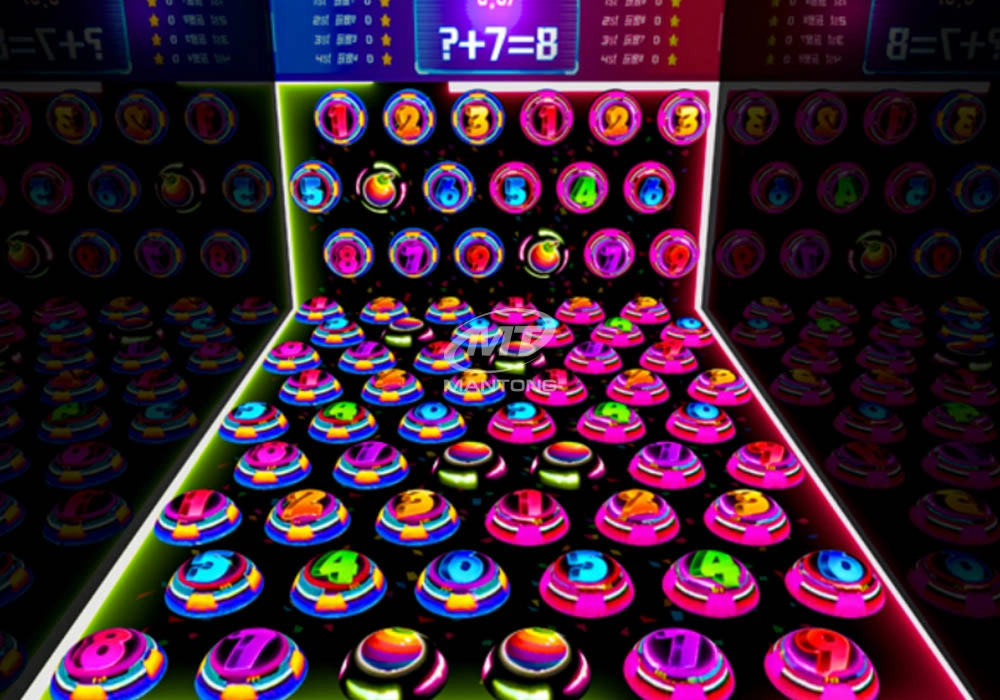
Rapidly Rotating Bouncing Sphere is an interactive space where participants jump on rotating spheres. As they step on it, the spheres surface will show special interactivity
Jumping on spheres of the same color in succession causes them to pop, releasing light particles. The more consecutive jumps, the greater the reward—caterpillars appear, and eventually, all spheres of that color burst, filling the space with light and even more caterpillars.
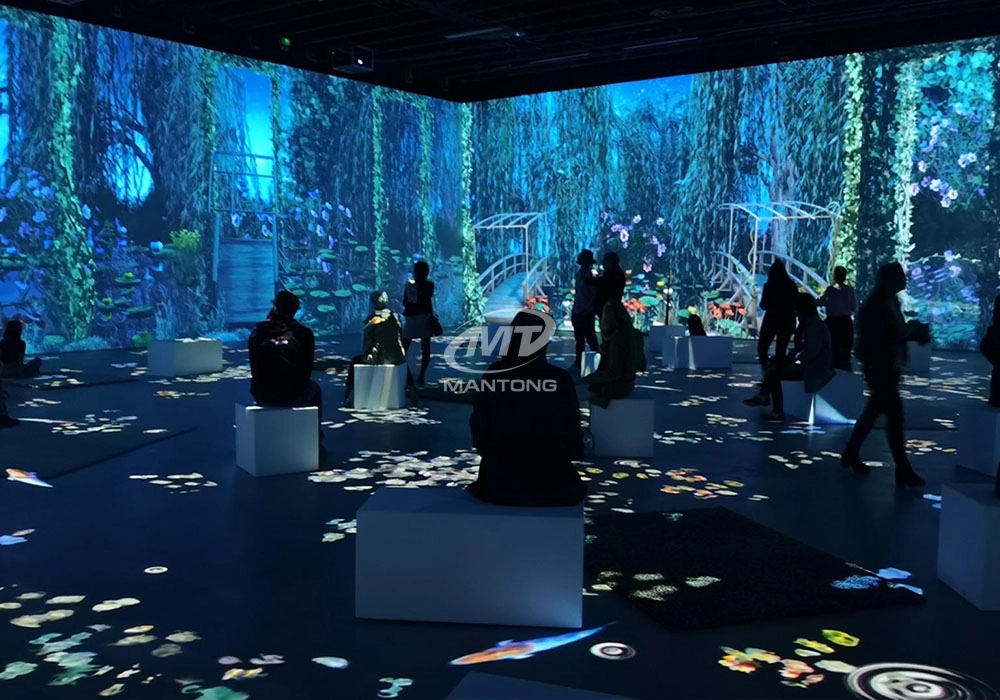
Transform any space with Mantong's immersive projection mapping systems. Our high-lumen projectors (up to 6500 LM) and custom software create captivating interactive experiences for floors and walls. Ideal for museums, events, retail, and hospitality. Each kit includes professional ceiling mounting and 80+ pre-loaded video contents and is backed by a 12-month warranty and CE certification. We offer full customization and support to bring your vision to life.
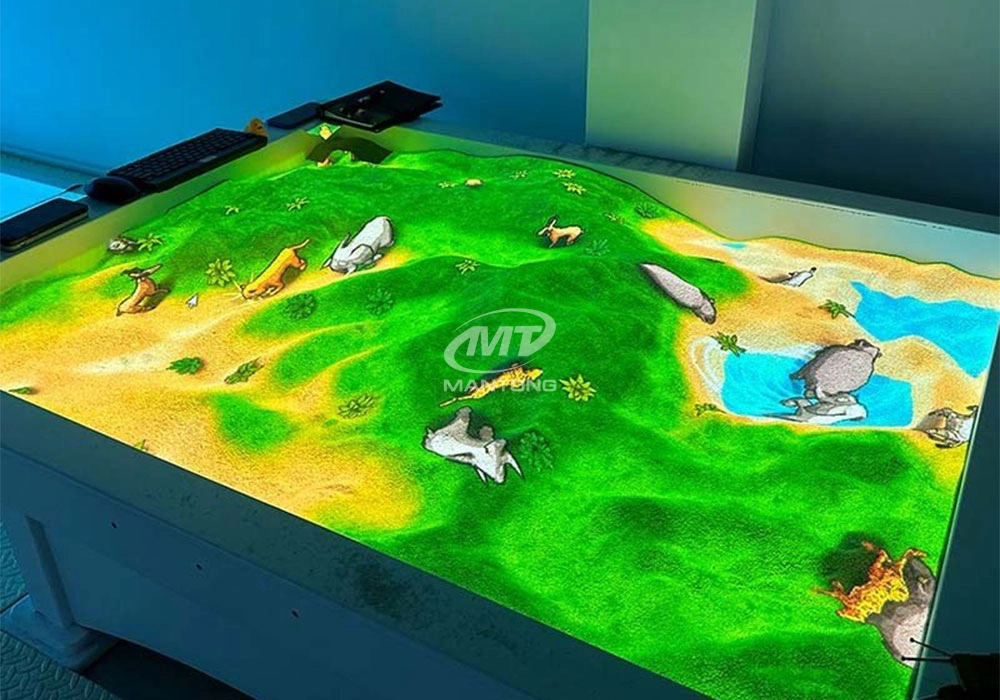
Bring imagination to life with interactive sandbox projection mapping games designed for kids’ play parks. Using cutting-edge projection technology and real-time motion sensing, children can dig, build, and explore virtual worlds directly in the sand. Educational, engaging, and endlessly fun — it’s the perfect blend of play and learning.
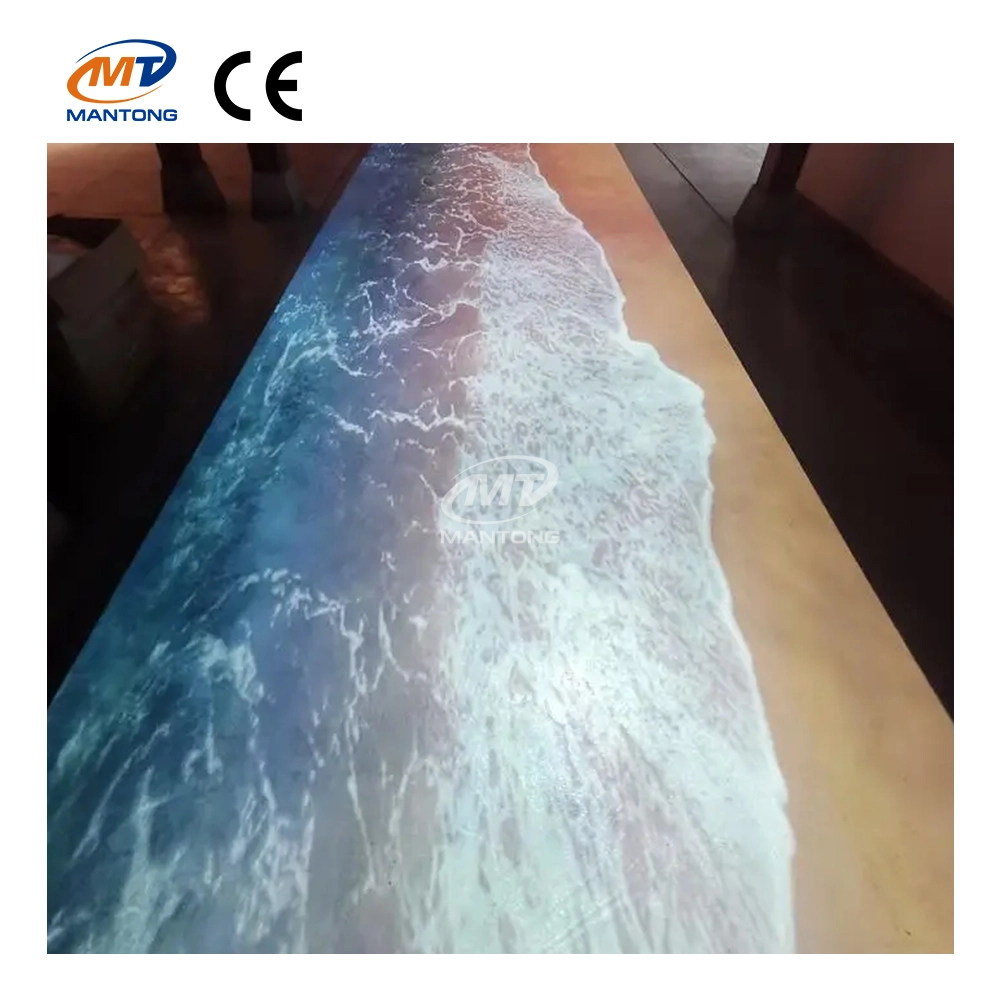
Indoor interactive floor projections display dynamic themed videos on the floor, commonly used in venues aiming to enhance brand influence or attract foot traffic, such as restaurants, hotel corridors, and brand car retail stores.
By using projectors and compatible software, the interactive content is projected onto the floor, encouraging engagement between people and the projected visuals. A single 5500-lumen indoor floor projector can cover an area of 5 m × 3 m. Typically, each project will use at least 3 units to ensure broad coverage and optimal visual effects.
We also offer customized design and installation support to enhance the interactive experience for your venue.
Contact Us to Start Your Interactive Projection Journey
Contact us now to discuss how to create innovative projection solutions for your space.

Kaida Business Center, Shixin Road, Panyu District,Guangzhou City, Guangdong Province, China.
ManTong
ManTong
ManTong